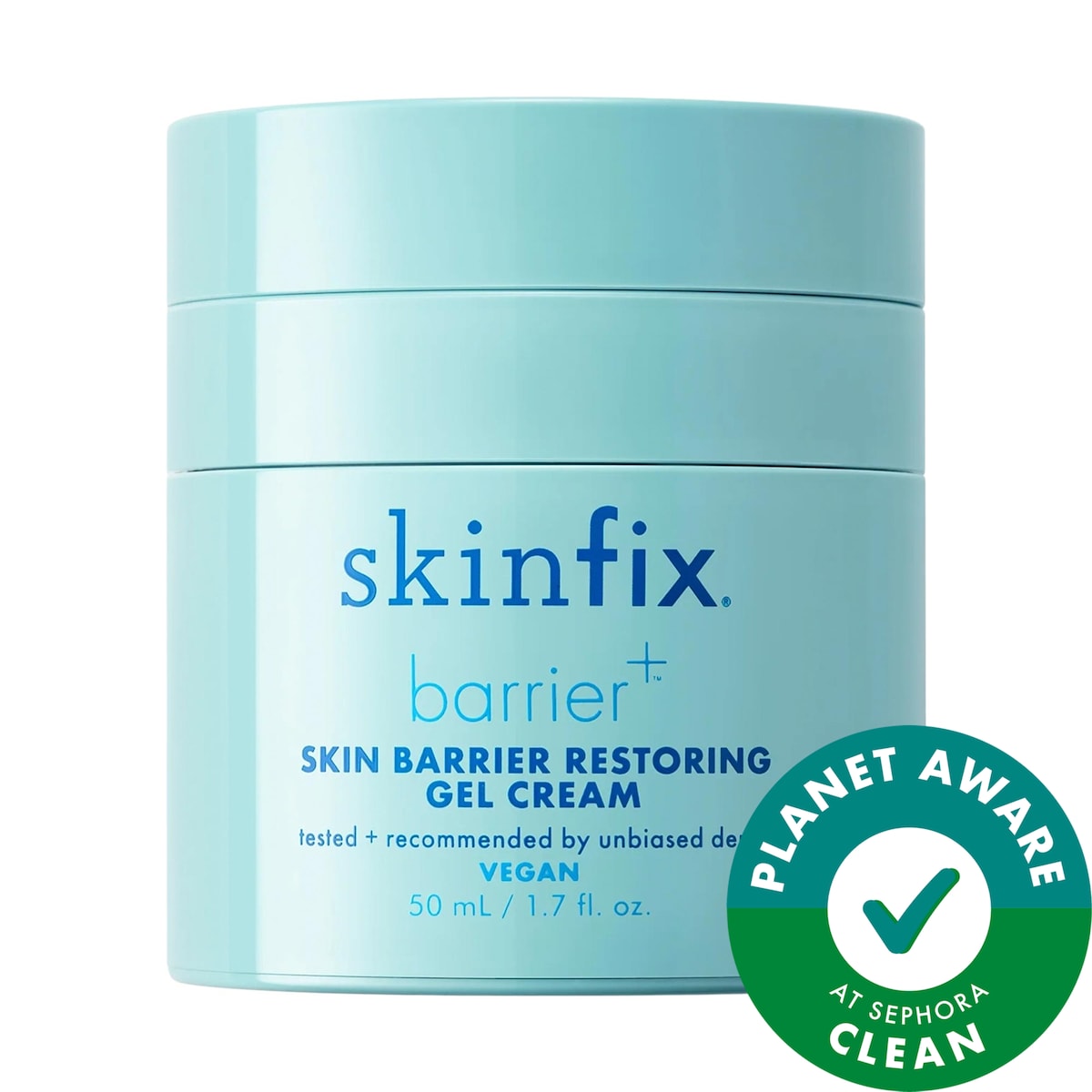
Gel cream sounds safe.
That is the trap.
For years, I treated gel moisturizers like they were automatically better for oily skin. If a jar looked light, watery, blue, clear, jelly-like, or oil-free, I assumed it would behave. Then I would wake up with tight cheeks, shiny forehead, little bumps around my chin, or sunscreen pilling across my face by 10 a.m.
The texture was not enough information.
What finally helped was separating two questions that usually get mashed together. Does this moisturizer feel light? And does it actually support my skin barrier while the rest of my routine does its job?
Those are not the same question.
The short answer
If your skin is oily, acne-prone, or combination, a barrier gel cream can be a smart daily moisturizer when it gives you hydration without a heavy film. I would look for a formula that has humectants like glycerin or hyaluronic acid, barrier-supportive ingredients like niacinamide or ceramides if your skin tolerates them, and a finish that still works under sunscreen.
I would not pick the driest-feeling gel just because shine bothers you. Oily skin can still be dehydrated. Acne treatments can still make the barrier fragile. The right moisturizer should make your routine easier to repeat, not just make your face feel matte for twenty minutes.
The American Academy of Dermatology says moisturizer can help acne-prone skin tolerate drying acne treatments, and it recommends oil-free, non-comedogenic, or won't-clog-pores language when choosing moisturizer for acne-prone skin. That is a useful starting filter. It is not the whole decision.
Why oily skin still needs barrier support
Oil is not the same thing as comfort.
Your skin can produce plenty of oil and still feel tight after cleansing. It can look shiny and still sting when you apply a retinoid. It can break out and still be irritated from over-washing, over-exfoliating, or trying to make every product feel weightless.
That is where I see oily skin routines go sideways. The routine becomes a fight against shine instead of a plan for calm skin. The cleanser gets stronger. The moisturizer gets skipped. The exfoliant gets used more often. Then the face looks greasy and rough at the same time.
When I think about a barrier gel cream, I am not looking for a product that makes oil disappear. I am looking for one that lets me use cleanser, treatment, sunscreen, and makeup without the skin acting angry underneath.
That is a quieter goal. It is also more useful.
A gel cream is not automatically lightweight
The words on the jar can blur together.
Gel, gel cream, water cream, jelly moisturizer, oil-free cream, barrier cream, pore-refining moisturizer. They all suggest lightness, but they can behave very differently on the face.
Some gels are mostly a hydration step. They feel fresh, sink fast, and leave very little cushion. Some gel creams add a softer cream finish, which can be better if your cheeks get dry or your acne treatment makes the face sting. Some barrier gel creams are more treatment-minded, with ingredients aimed at pores, redness, or barrier support. Some water creams feel elegant at first and then pill under sunscreen.
I would not judge any of them in isolation. A morning moisturizer has to sit under SPF. A night moisturizer has to keep the skin comfortable until morning. A moisturizer used with tretinoin, benzoyl peroxide, salicylic acid, or isotretinoin has to be judged differently than one used with a very gentle routine.
The context changes the answer.
The product lanes I would compare first
I would start by deciding what job the moisturizer needs to do.
| Image | Product lane | Better fit | Where it can disappoint |
|---|---|---|---|
 | Sofie Pavitt Face Skin Jelly Oil-Free Gel Moisturizer | Oily, combination, or breakout-prone skin that hates creamy residue | May feel too light if the skin barrier is already stressed |
 | Skinfix Barrier Restoring Gel Cream | Oily skin using active ingredients that still needs barrier support | More treatment-like than a plain hydration gel |
 | Sephora Collection Soothing Moisturizer with Hyaluronic Acid | Simple daily hydration when the rest of the routine is already active | May not be enough if retinoids or acne medication are drying you out |
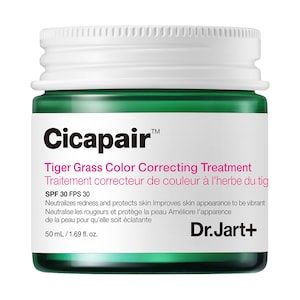 | Dermalogica Intensive Moisture Balance Moisturizer | Dry, tight, or mature skin that needs more cushion | Likely too rich if your main problem is midday oil and clogged pores |
This is how I would use that table: not as a ranking, but as a fit check. The person who needs Skin Jelly may not be the person who needs Intensive Moisture Balance. The person who loves a simple hyaluronic moisturizer may not need a pore-refining barrier cream. The person whose face burns from acne actives may need more support than the lightest gel can give.
The mistake I would stop making first
I would stop testing moisturizers on freshly washed skin and calling the decision done.
Almost every moisturizer can feel nice on clean skin for five minutes. The real test is the full routine.
I would test it like this:
- Cleanse normally.
- Apply the moisturizer to slightly damp skin if that is how you usually use it.
- Wait a few minutes.
- Apply your real sunscreen.
- Add makeup only if you normally wear it.
- Check the face at lunch and again at night.
The midday check matters. Does the skin feel comfortable or coated? Is the shine normal for you or unusually slick? Did sunscreen pill? Are the cheeks tight? Did the moisturizer sting around the nose or mouth? Did your face feel so dry by night that you wanted to wash and start over?
That gives you better information than texture alone.
When Skin Jelly makes sense
I would look at Sofie Pavitt Face Skin Jelly when the main complaint is, "Every moisturizer feels like too much."
That skin type usually wants a support step but hates the feeling of cream. It may get oily by noon, break out easily, or feel nervous about anything rich. A light oil-free gel can make consistency easier because you are less tempted to skip moisturizer entirely.
The risk is under-support. If your skin is already peeling from tretinoin, tight after every cleanse, or stinging when you apply bland products, the lightest option may not be enough. You might use a jelly texture in the morning and a richer moisturizer at night. That is not failure. That is context.
I like this lane most for daytime routines, humid weather, sunscreen layering, and people who abandon moisturizer whenever it feels heavy.
When Skinfix Barrier Gel Cream makes sense
I would look at Skinfix Barrier Restoring Gel Cream when the issue is not only oil. It is oil plus irritation.
That combination is common. You are shiny, but your skin also feels reactive. You want something light, but you also need the barrier to stop complaining. This is where a barrier-minded gel cream can be more useful than a bare hydration gel.
The tradeoff is complexity. If you know niacinamide does not agree with you, or if your skin reacts badly to formulas with more active-sounding ingredient stories, go slowly. A product can be designed for barrier support and still be wrong for one person's skin.
I would test it on a calm week. Not the week you start a retinoid, change cleanser, buy a new sunscreen, and add exfoliating pads.
When a simple moisturizer is the better move
Sometimes the smarter choice is not the most interesting formula.
If you already use an acne treatment, a vitamin C serum, a retinoid, or a strong sunscreen, your moisturizer may only need to hydrate without causing drama. A simple hyaluronic acid moisturizer can be enough if the rest of the routine is doing the active work.
This is especially true when you are trying to identify what is breaking you out. A busy moisturizer makes the pattern harder to read. A simpler one gives you fewer variables.
I would choose simple when:
- the routine already has one strong active
- the skin is not visibly flaky or burning
- you need something affordable enough to use consistently
- you are testing a new sunscreen
- you are trying to calm a breakout-prone routine
Simple is not boring when it helps you stay consistent.
When gel cream is not enough
There are times when a gel cream is the wrong texture, even if your skin is oily in places.
If your cheeks are cracking, your mouth area is peeling, your skin burns after water, or your acne medication is making the whole face feel raw, you may need a richer support step. That does not mean you have to wear a heavy cream all day. It may mean using a gel cream in the morning and a richer moisturizer at night, or applying a richer cream only to the dry zones.
Combination skin often needs zoning. Forehead and nose get the light layer. Cheeks and mouth get more cushion. I would rather do that than force one perfect moisturizer to solve every area equally.
Your face is allowed to have regions.
Ingredients I would care about
I would not memorize every ingredient. I would pay attention to roles.
Humectants pull water into the outer skin layer. Glycerin and hyaluronic acid are common examples. Barrier-support ingredients can help the skin feel less reactive over time. Niacinamide, ceramides, and some peptide or lipid blends often show up here. Soothing ingredients can matter if your skin gets red or stingy. Occlusives and emollients help seal and soften, but the heavier ones may feel wrong on very oily or clog-prone skin.
Niacinamide is a good example of why ingredient talk needs nuance. It can be useful for barrier support and oil-prone routines for many people, but not everyone tolerates it. If a niacinamide product makes your face flush, itch, or burn repeatedly, do not keep using it because the ingredient has a good reputation.
Your skin's feedback outranks the label.
What I would ignore
I would ignore the fantasy that one gel cream will fix acne, pores, barrier damage, texture, oil, and makeup wear by itself.
Moisturizer is a support product. It can make a good routine more tolerable. It can reduce the dryness that makes you quit acne treatment. It can help sunscreen sit better. It can make the face feel calm enough that you stop constantly changing products.
But it is not a full acne plan. It is not a pore eraser. It is not a replacement for sunscreen. It will not diagnose whether bumps are acne, folliculitis, dermatitis, or irritation.
That boundary makes the product easier to judge. Did it help the routine work? Did it make the face calmer? Did it avoid new obvious problems? That is enough.
My seven-day test
I would test a barrier gel cream for seven days before deciding.
Day one is for feel. Does it sting? Does it pill? Does sunscreen sit on top?
Days two and three are for comfort. Is the skin less tight after cleansing? Are the cheeks happier? Is the forehead unusually greasy?
Days four through seven are for pattern. Are you seeing new clogged bumps in places you do not usually break out? Is the makeup separating? Are you using the moisturizer every day without negotiating with yourself?
I would not introduce another new product during that week. If you change three things, you learn almost nothing.
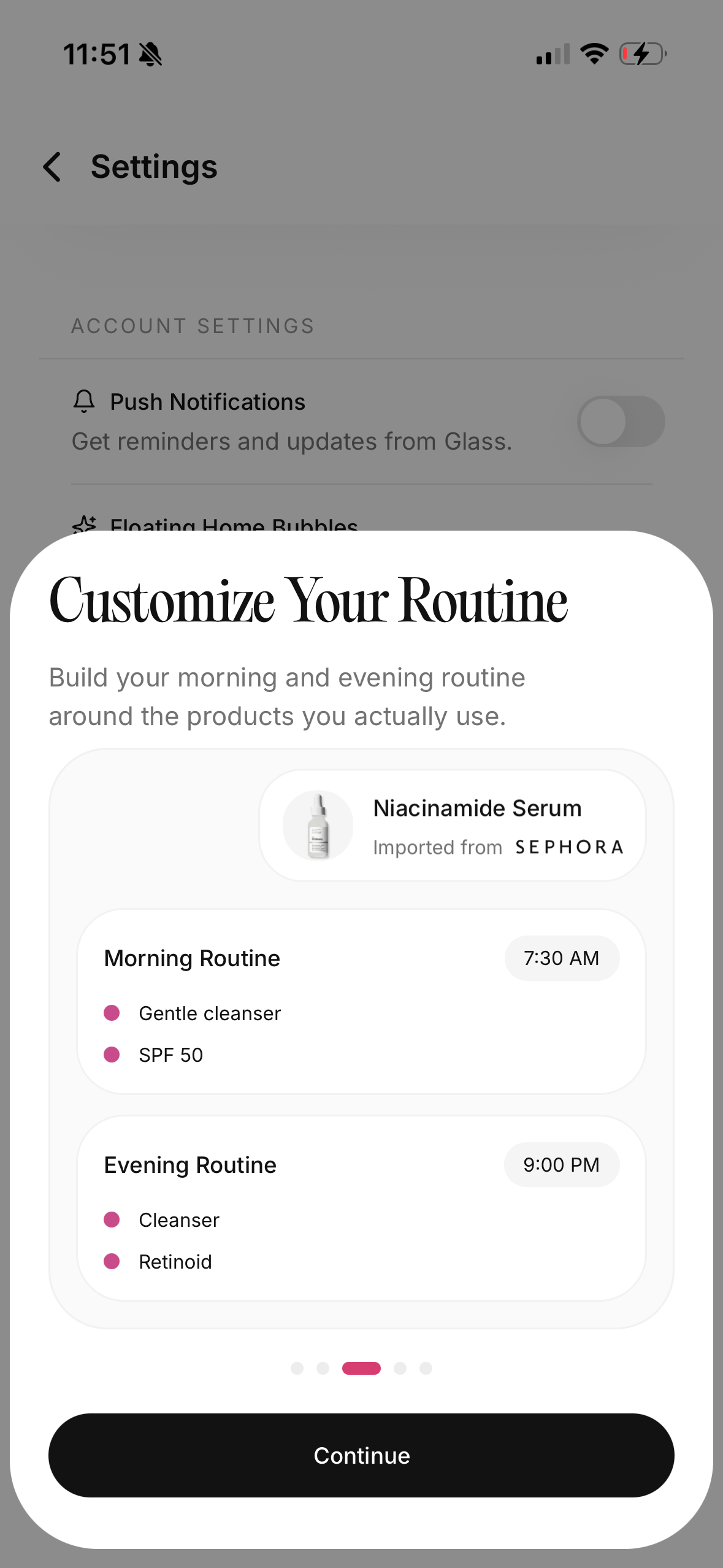
Use Glass to log the routine if you want the pattern to stay readable. Add the moisturizer, sunscreen, and active steps. Take photos in the same lighting. Make one change at a time. The goal is not to obsess over your face. The goal is to stop guessing.
How I would build the routine
For oily skin using acne actives, I would keep the routine plain.
Morning:
- gentle cleanser or rinse
- barrier gel cream or light moisturizer
- sunscreen
Night:
- gentle cleanser
- acne treatment or retinoid if prescribed or tolerated
- moisturizer
If the active step is drying you out, move the moisturizer before the active or use a richer night moisturizer if your clinician's plan allows it. The AAD notes that applying moisturizer first can reduce irritation from stronger retinoids for some people. That small order change can matter more than buying another product.
If the skin is very irritated, simplify before escalating. More actives on a compromised barrier usually make the read worse.
The sunscreen test is the deciding test
A daytime gel cream has to cooperate with sunscreen.
If it pills under your SPF, the routine is not practical. If it makes sunscreen slide into your eyes, not practical. If it feels perfect alone but greasy under the sunscreen you actually own, not practical.
I would test the moisturizer with your real sunscreen, not an imaginary future sunscreen. If the sunscreen is matte and drying, you may need a more supportive gel cream underneath. If the sunscreen is creamy, you may need the moisturizer to stay lighter.
Morning skincare is a stack. The stack matters.
Who should skip barrier gel creams for now
I would pause the experiment if your skin is in an active reaction.
Skip the new gel cream for now if you have swelling, hives, cracked skin, severe burning, open picked areas, a rash around the mouth, or sudden painful acne that is scarring. Those situations need caution, and sometimes clinician care, not another moisturizer test.
I would also be careful if you are starting isotretinoin, a new prescription retinoid, or a new acne medication. Ask your dermatologist what kind of moisturizer they want you using. During medical acne treatment, boring support often beats exciting texture.
The bottom line
I would not choose a barrier gel cream because it looks light in the jar.
I would choose it because it makes the rest of the routine easier to repeat. Oily skin still needs comfort. Acne-prone skin still needs moisture. Combination skin may need different textures in different zones. And barrier support only matters if the formula actually works with your cleanser, treatment, sunscreen, and daily life.
For May 2026, I would think in lanes. Use Skin Jelly when you need the lightest-feeling support. Use Skinfix Barrier Gel Cream when shine comes with irritation and active-product dryness. Use a simpler hyaluronic moisturizer when you need fewer variables. Use a richer moisturizer when the barrier is too stressed for gel texture alone.
Pick the product by the job. Then give it a fair, boring seven-day test.
Useful references: AAD on why acne-prone skin may need moisturizer, AAD on acne diagnosis and treatment, and PubMed review of niacinamide and skin barrier hydration.