
AESTURA ATOBARRIER365 Cooling Hydro Soothing Water Cream and Skinfix Barrier Balancing Water Cream look like they belong in the same shopping lane.
Both are water-cream moisturizers. Both make sense for oily or combination skin that still needs hydration. Both care about the skin barrier. Both are easier to imagine under sunscreen than a thick night cream.
But I would not treat them as interchangeable.
AESTURA is the calmer barrier-hydration pick for redness, tightness, and sensitive-feeling skin that wants ceramides and hyaluronic acid without weight. Skinfix is the more oil-balance-focused pick for oily or combination skin that wants hydration, niacinamide, zinc PCA, and a more deliberate shine-and-pore routine.
Here are the product pages if you want to keep both open:
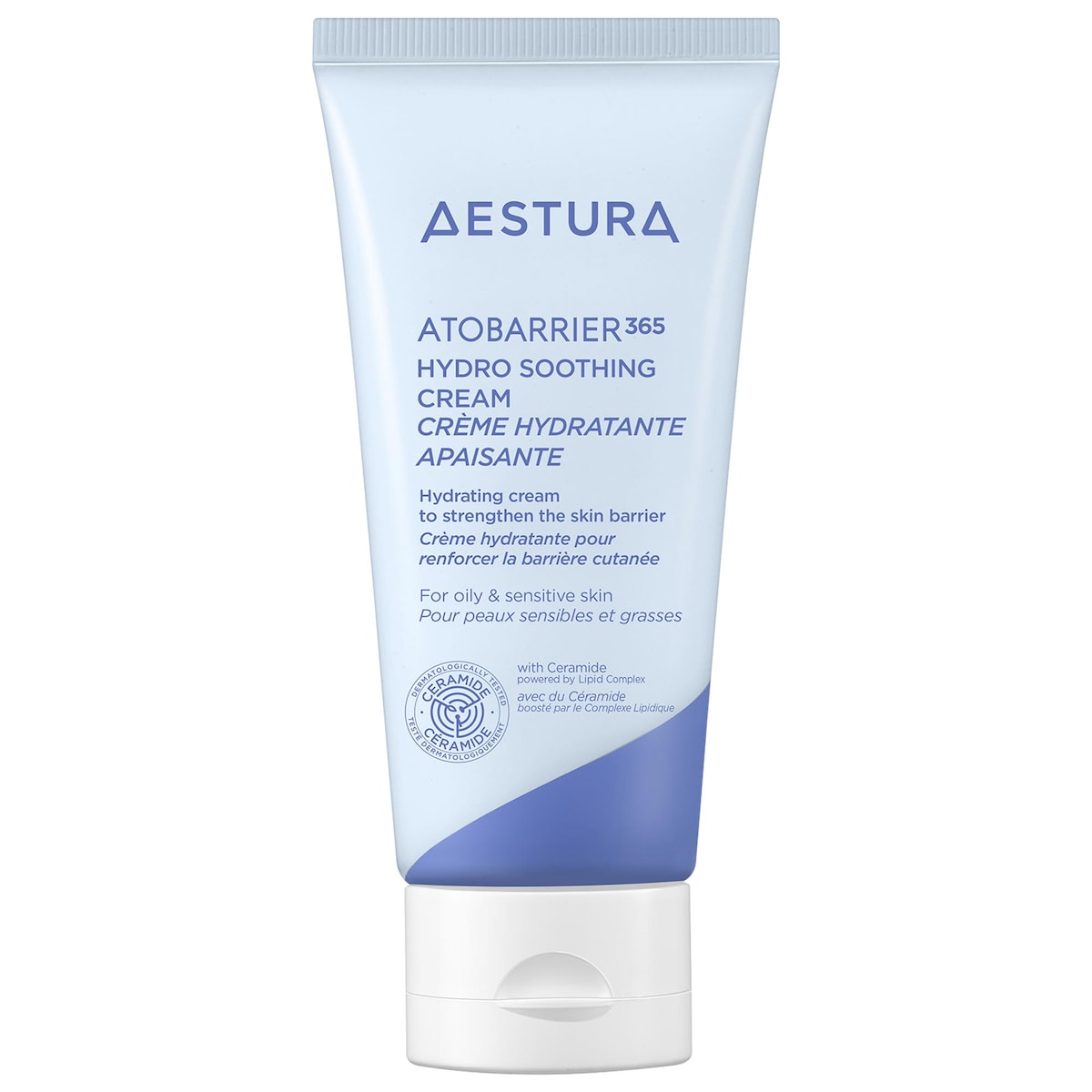
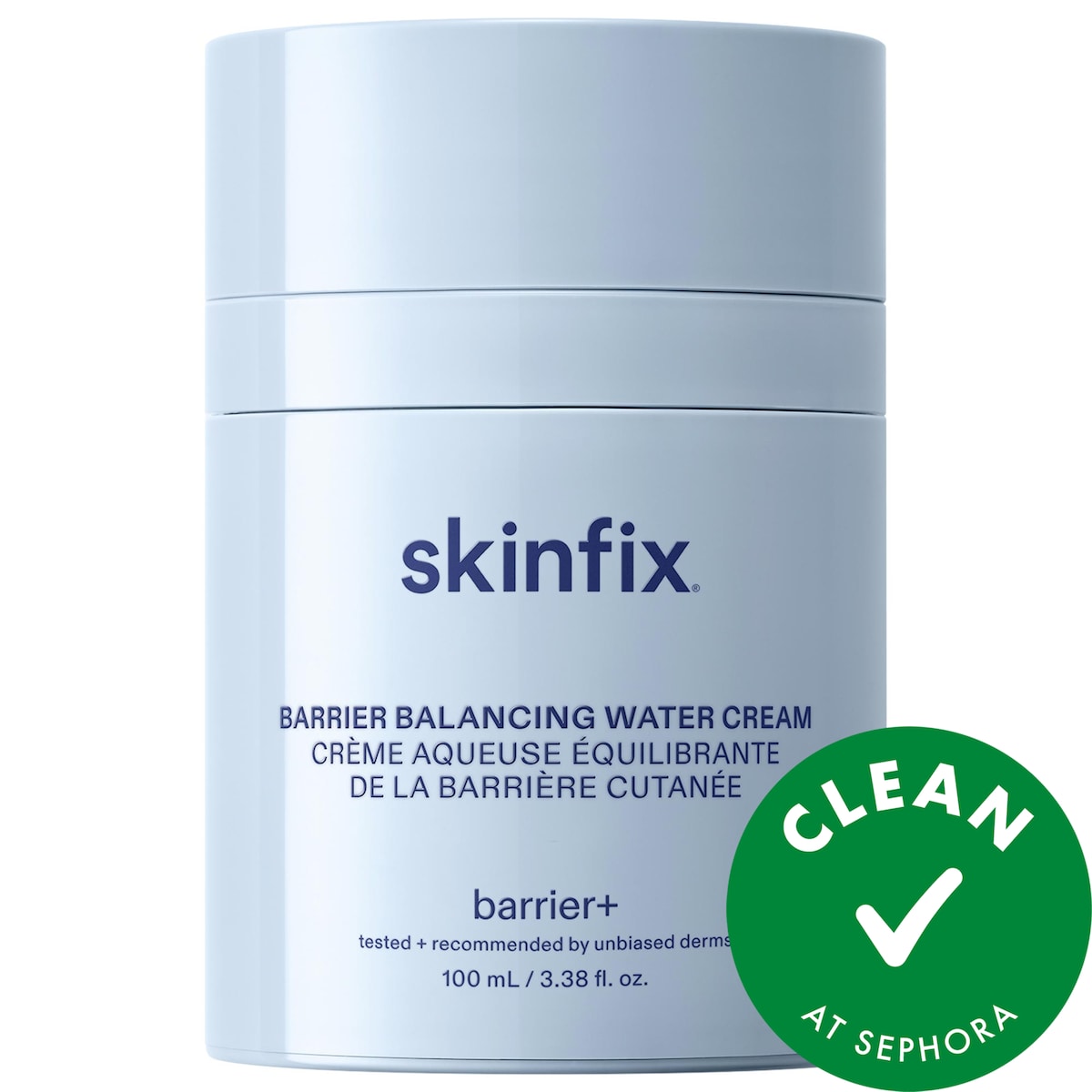
Quick Answer
Choose AESTURA if your skin is oily or combination but also red, tight, sensitive-feeling, or barrier-stressed. Its formula points toward hydration plus barrier comfort: glycerin, butylene glycol, dimethicone, squalane, betaine, ceramide NP, cholesterol, beta-glucan, sphingolipids, and sodium hyaluronate.
Choose Skinfix if your skin is oily or combination and your main frustration is balance: shine, pores, uneven texture, and hydration that disappears too fast. Its formula leans into squalane, propanediol, niacinamide, zinc PCA, hydrolyzed hyaluronic acid, allantoin, green tea, saccharide isomerate, and a peptide.
The cleanest split is this:
- AESTURA: calmer barrier hydration
- Skinfix: lighter oil-balance hydration
Comparison Table
| Category | AESTURA ATOBARRIER365 Cooling Hydro Water Cream | Skinfix Barrier Balancing Water Cream |
|---|---|---|
| Best for | Red, tight, dehydrated, barrier-stressed oily or combination skin | Oily or combination skin focused on shine, pores, and balance |
| Texture lane | Water cream with a comfort-first barrier feel | Weightless water cream with a more balancing feel |
| Key support | Ceramide NP, cholesterol, sphingolipids, squalane, sodium hyaluronate, beta-glucan | Niacinamide, zinc PCA, hydrolyzed hyaluronic acid, squalane, allantoin, green tea |
| Skin-type fit | Normal, combination, oily | Combination, oily |
| Main routine slot | Morning comfort layer or light night recovery moisturizer | Morning moisturizer for oily skin or balanced twice-daily moisturizer |
| Skip if | You need a richer seal or matte oil control | You dislike niacinamide or want a calmer ceramide-led cream |
| Glass product page | AESTURA Water Cream | Skinfix Water Cream |
What They Have In Common
Both products sit in the smarter moisturizer lane for people who hate heaviness.
If you have oily or combination skin, it is easy to overcorrect. You skip moisturizer, then your face feels tight. You buy a matte gel, then your cheeks get rough. You buy a barrier cream, then your T-zone looks coated.
A water cream is supposed to avoid that trap. It gives hydration and comfort without asking the whole face to wear a rich cream.
Both AESTURA and Skinfix can fit that job. The difference is what kind of problem each one seems built to prioritize.
The AESTURA Lane
AESTURA reads like the better fit when the routine problem is sensitivity.
I would think of it for the person whose skin gets red, tight, or hot-looking when the routine gets too active. Maybe you use a retinoid and need a lighter support cream. Maybe your cleanser leaves you tight but heavier moisturizers clog you. Maybe your skin looks oily in the center of the face but dry around the cheeks and mouth.
The ingredient direction is barrier support plus hydration. Ceramide NP, cholesterol, sphingolipids, squalane, beta-glucan, sodium hyaluronate, glycerin, and butylene glycol all make sense for a product trying to calm the feel of the routine.
That does not make it a medical product. It makes it a sensible moisturizer when the barrier story matters more than a matte finish.
The Skinfix Lane
Skinfix reads like the better fit when the routine problem is balance.
It is still a water cream, but it has a different personality. Niacinamide and zinc PCA are the big clues. Those ingredients make more sense for someone thinking about oiliness, visible pores, uneven texture, and a face that needs hydration without getting greasy.
It also has hydrolyzed hyaluronic acid, saccharide isomerate, squalane, allantoin, green tea, and a peptide. That gives it a hydration and comfort story, but the product feels more directed toward oily and combination skin management than toward redness-first barrier comfort.
I would choose Skinfix if the face gets shiny, congested, and uneven, but still needs a real moisturizer.
Texture And Finish
Texture is where the choice becomes practical.
AESTURA should appeal to someone who wants a softer water-cream feel with a little more barrier comfort. I would expect it to feel more like a soothing moisturizer than a shine-control step.
Skinfix should appeal to someone who wants a more balancing water cream. The product description and ingredient stack point toward refreshing hydration, oil balance, and non-pore-clogging daily use.
Neither one is the right answer if you want a thick night cream. Neither one is the right answer if you want a dry-touch mattifier. They are both moisturizers for people who want a lighter barrier-aware routine.
Ingredient Split
The ingredient split is the clearest reason to choose one over the other.
AESTURA includes ceramide NP, cholesterol, and sphingolipids. That trio makes it more barrier-lipid-oriented. It also includes sodium hyaluronate, beta-glucan, squalane, glycerin, and butylene glycol, which support hydration and comfort.
Skinfix includes niacinamide and zinc PCA, which makes it more balance-oriented. It also includes hydrolyzed hyaluronic acid, saccharide isomerate, allantoin, green tea, squalane, and a peptide.
If your face is red and tight, I would start with AESTURA. If your face is shiny and uneven, I would start with Skinfix.
Morning Routine Fit
Both products can work in the morning, but I would use them differently.
With AESTURA, I would use a thin layer after cleansing or rinsing, then sunscreen. I would especially like it when sunscreen usually makes the skin feel tight or dry.
With Skinfix, I would use it when sunscreen tends to get greasy over the T-zone or when the morning routine needs more oil-balance help.
For both, the same rule applies: use less than you think, wait a minute, then apply SPF. If sunscreen pills, simplify the layers underneath before giving up on the moisturizer.
Night Routine Fit
At night, AESTURA makes sense as a light recovery cream. Use it after a retinoid if your skin tolerates that order, or sandwich it around retinoid if you are prone to irritation.
Skinfix makes sense when you want a moisturizer that still feels light but has more balance logic. It can be a good night choice for oily skin that dislikes rich creams but does not want to wake up feeling dry.
If your skin is very dry, neither product may be enough alone at night. In that case, use a richer cream on dry zones or rotate in a heavier moisturizer.
Oily Skin
For oily skin, I would choose based on what the oil comes with.
If the oil comes with redness, stinging, or tightness, choose AESTURA first. Do not keep drying out skin that is already acting stressed.
If the oil comes with visible pores, uneven texture, and a need for a more balanced finish, choose Skinfix first.
The mistake is assuming oily skin always needs the same moisturizer. Oily skin can be dehydrated, irritated, congested, or simply shiny. Those are different problems.
Combination Skin
Combination skin is where both products can make sense.
Use AESTURA if your cheeks are the problem. Dry cheeks, red cheeks, tight cheeks, and comfortable-but-light night routines all point toward AESTURA.
Use Skinfix if your T-zone is the problem. Shine, congestion, and a need for lighter balancing support point toward Skinfix.
You can also use either product by zone. A thin layer through the T-zone and a second pass on dry cheeks is often smarter than forcing one amount across the whole face.
Acne-Prone Routines
Neither product should be treated like an acne treatment.
Skinfix has more acne-adjacent logic because of the oil-balance ingredients and non-pore-clogging positioning. That makes it the more obvious first pick if clogged pores are part of the issue.
AESTURA can still fit acne-prone routines when the skin is irritated from treatments. If benzoyl peroxide, retinoids, or exfoliating acids leave you tight, a calmer water cream may be more useful than another active step.
The question is not "which moisturizer clears acne?" The question is "which moisturizer lets my acne routine stay tolerable?"
Sensitive Skin
For sensitive skin, I would start with AESTURA.
That is not because Skinfix is harsh. It is because AESTURA's ingredient story is more directly about barrier comfort, while Skinfix is more directly about balancing oily or combination skin.
If you know niacinamide does not agree with your skin, that pushes the choice further toward AESTURA. If niacinamide works well for you and redness is not the main issue, Skinfix may still be the better routine fit.
Patch test either way. Sensitive skin can reject products that look perfect on paper.
Value And Repurchase
AESTURA sits at a lower current catalog price than the standard Skinfix size. Skinfix offers more size options, including smaller and larger formats in the current retail lane, which can change how easy it is to test or repurchase.
The better value depends on whether you finish the product.
A moisturizer you use every morning has better value than a more impressive jar that only works on perfect-weather days. If AESTURA makes sunscreen more comfortable, it can be the better value. If Skinfix helps you stop overbuying oil-control products, it can be the better value.
Value is not just price. It is whether the product earns a stable job.
How I Would Choose In One Minute
Ask yourself what your face does by 2 p.m.
If it feels tight, red, or uncomfortable, choose AESTURA.
If it looks shiny, textured, or pore-heavy but does not feel especially irritated, choose Skinfix.
If both are true, start with AESTURA for a week to calm the routine. Then decide whether you still need more oil-balance help.
This is the same logic I use in how to get glass skin without looking greasy: solve the loudest bottleneck first.
When Neither Is Right
Skip both if your skin needs a true rich cream. Water creams are not always enough for dry, flaky, compromised skin, especially at night.
Skip both if you want a single product to replace sunscreen, acne treatment, or a prescription plan. Moisturizer is support. It is not the whole routine.
Skip both if your current routine is already irritating. Remove the irritating step first. A new moisturizer can help comfort, but it should not be used to cover up a routine that keeps making the skin angry.
My Pick
For red, dehydrated, barrier-stressed oily or combination skin, I would pick AESTURA first.
For oily or combination skin that wants balance, pore-friendly hydration, and niacinamide in the moisturizer step, I would pick Skinfix first.
If I had to build a two-season routine, I would use AESTURA when my skin feels reactive and Skinfix when my skin feels oily but stable. That is the cleanest way to think about them: not permanent winners, but different answers for different skin states.
Bottom Line
AESTURA ATOBARRIER365 Cooling Hydro Soothing Water Cream and Skinfix Barrier Balancing Water Cream are both useful water creams, but they solve different routine problems.
Choose AESTURA for calmer barrier hydration without heavy cream weight. Choose Skinfix for oily and combination skin that wants a more balancing moisturizer with niacinamide and zinc PCA.
If you are still unsure, use the broader Sephora oil-free gel moisturizer guide to place both products inside the wider lightweight-moisturizer lane.
FAQ
Which is better for redness?
AESTURA is the cleaner first pick for redness-prone, tight, or sensitive-feeling skin because its formula leans more toward barrier comfort.
Which is better for oily skin?
Skinfix is the cleaner first pick for oily skin when shine, pores, and balance are the main concerns. AESTURA is better when oily skin also feels tight or irritated.
Can I use both?
You can, but most routines do not need both at the same time. If you own both, use AESTURA on recovery nights and Skinfix when you want a lighter balancing finish.
Which one is better under sunscreen?
Both can work under sunscreen. Use AESTURA when SPF feels drying. Use Skinfix when SPF gets greasy over oily areas.