
I wanted the glow.
Not the greasy kind.
Not the shiny layer that looks good for ten minutes and then turns into a film.
I wanted skin that looked rested. Smooth. Hydrated. Clear enough that light hit it softly instead of bouncing off texture, flakes, and angry little bumps.
That is what finally made a glass skin care routine click for me in 2026. It was not about copying the longest Korean skincare routine I could find. It was not about buying every product with "glow" on the front. It was about learning which steps actually change the look of the skin and which steps just make the bathroom counter busier.
The routine that worked best was smaller than expected.
Cleanse well. Hydrate in thin layers. Treat one real concern. Moisturize enough. Wear sunscreen every morning. Repeat long enough to get useful information.
That sounds less exciting than a 10-step transformation.
It is also the version I trust.
Quick answer
If I were building a glass skin care routine from scratch in April 2026, I would start with this:
- Remove sunscreen and makeup properly at night.
- Use a gentle water-based cleanser that does not leave the face squeaky.
- Add one light hydrating toner or essence while the skin is still slightly damp.
- Use one serum for the real bottleneck: dehydration, oil balance, dark spots, or texture.
- Moisturize with the lightest texture that still keeps the skin comfortable.
- Use broad-spectrum SPF 30 or higher every morning.
- Exfoliate or use retinoids only after the barrier feels calm.
That is the framework.
Everything else is optional.
If your face already stings, burns, flakes, or feels hot after cleansing, do not start with the glow routine. Start with skin barrier repair routine. Glass skin does not happen on a barrier that feels like it is fighting you.
What changed my mind about glass skin
I used to think glass skin meant more.
More toner. More essence. More serum. More masks. More shine.
The better version is more disciplined than that.
Glass skin is really a surface-quality goal. The skin has to look hydrated, even, smooth, and calm enough to reflect light cleanly. If one of those pieces is missing, the whole look falls apart.
Dry skin can look dull even with expensive products.
Oily skin can look glossy without looking clear.
Sensitive skin can look shiny because it is irritated, not because it is healthy.
Acne-prone skin can look better from fewer steps if the old routine was creating congestion.
That is why I stopped asking, "What is the full glass skin routine?" and started asking, "What is keeping my skin from looking smooth and hydrated right now?"
That question is less glamorous.
It is much more useful.
The routine I would actually build first
This is the product lane I would open if I wanted a realistic Sephora-friendly glass skin care routine without turning the whole thing into a shelf project.
| Image | Step | Product | Best for | Why it earns a place |
|---|---|---|---|---|
 | Cleanser | Beauty of Joseon Green Plum Refreshing Cleanser | Daily cleansing without the stripped feeling | Starts the routine clean without making the barrier pay for it |
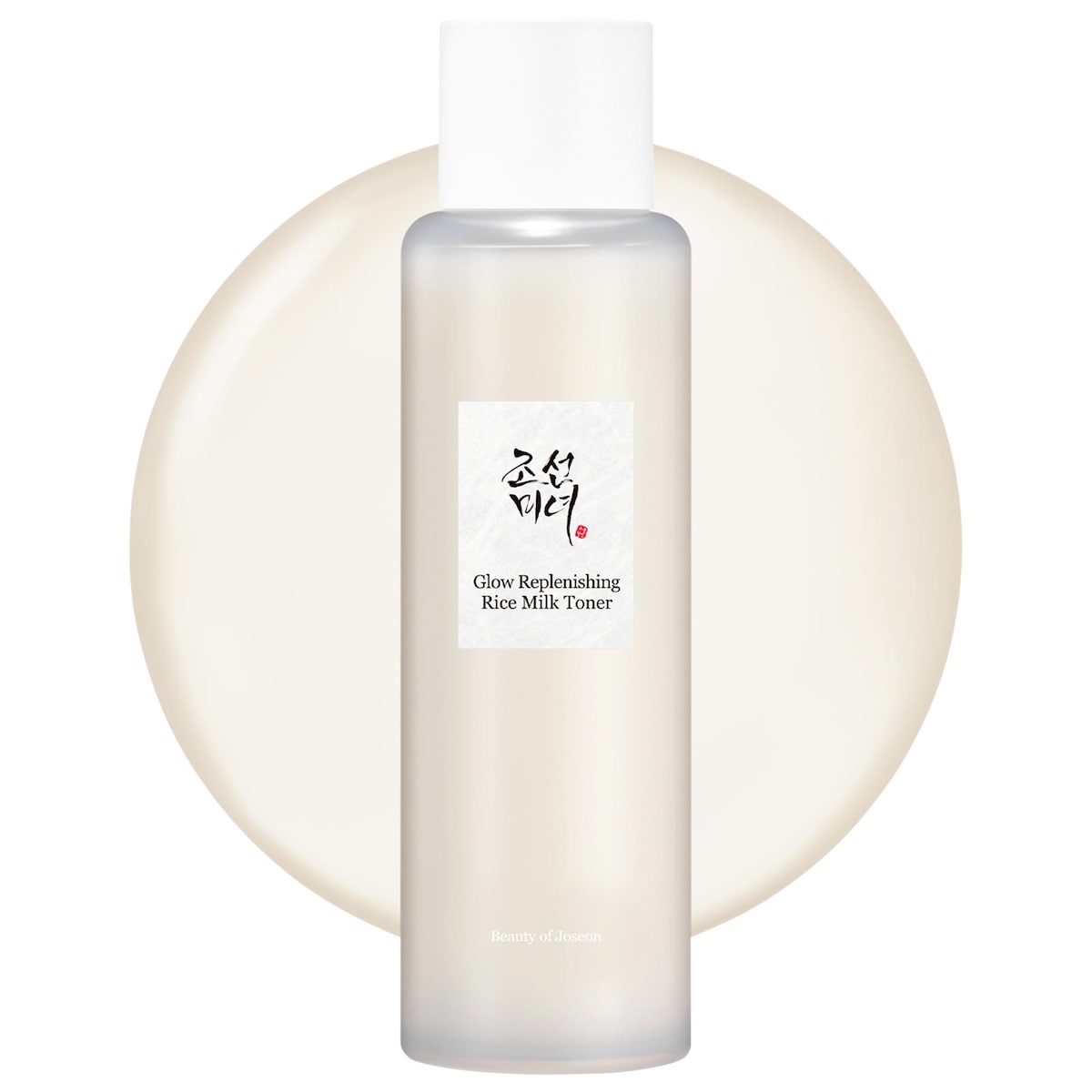
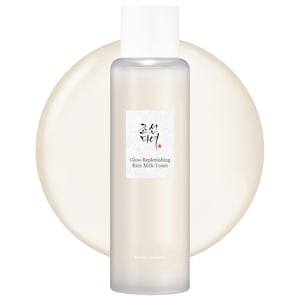 | Hydration layer | Beauty of Joseon Glow Replenishing Rice Milk Toner | Skin that needs glow but hates heavy layers | Gives water support before moisturizer without turning sticky |
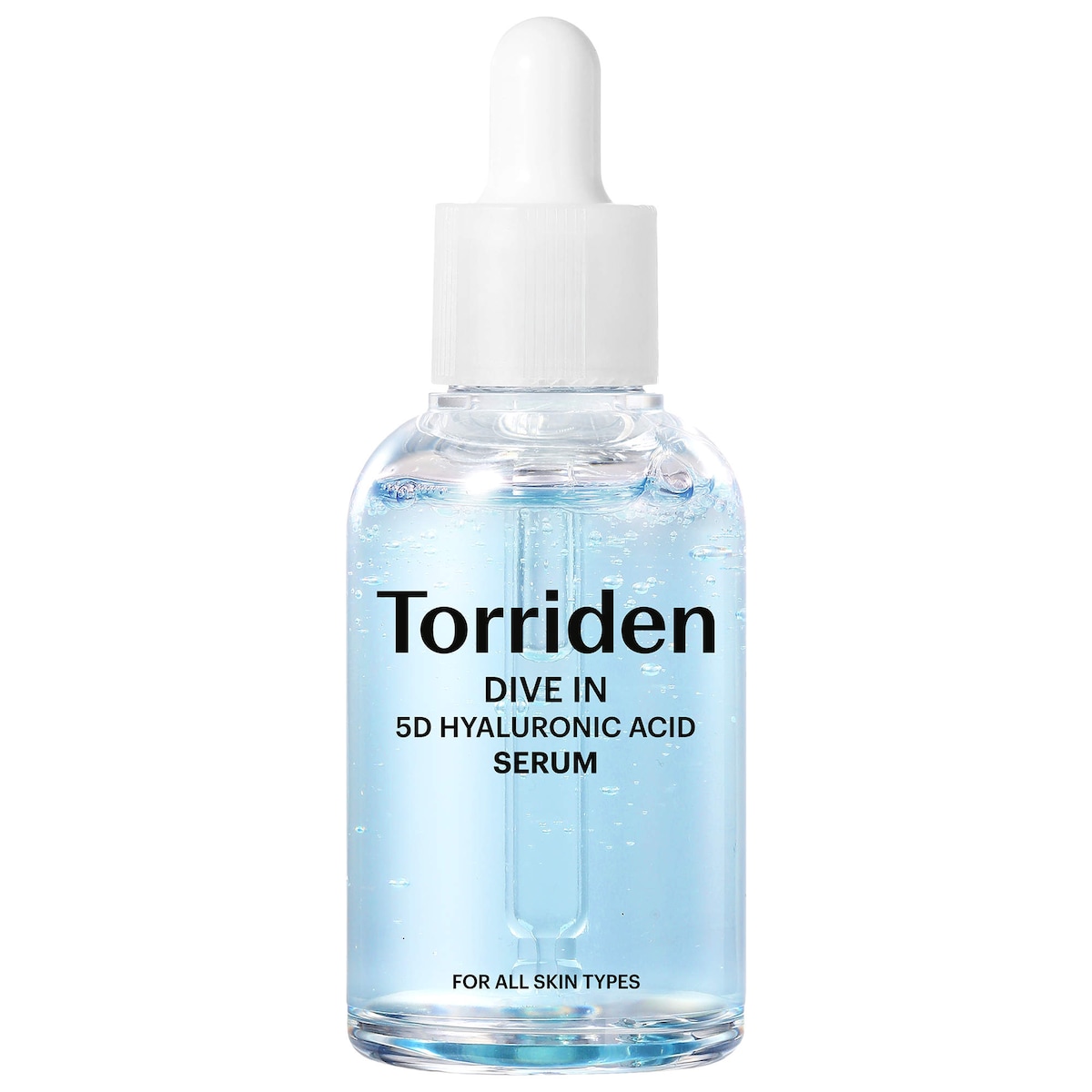
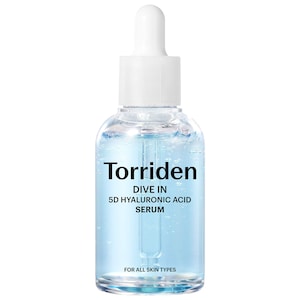 | Hydrating serum | Torriden DIVE IN 5D Hyaluronic Acid Serum | Dehydrated, flat, tight-feeling skin | Helps the skin look more full instead of just shiny |
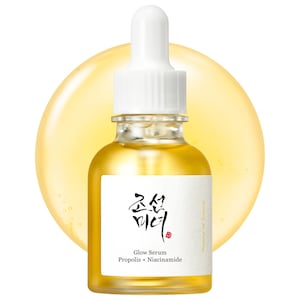 | Balancing serum | Beauty of Joseon Glow Serum for Oil Control | Oil, pores, post-breakout unevenness | Adds balance without making every step mattifying |
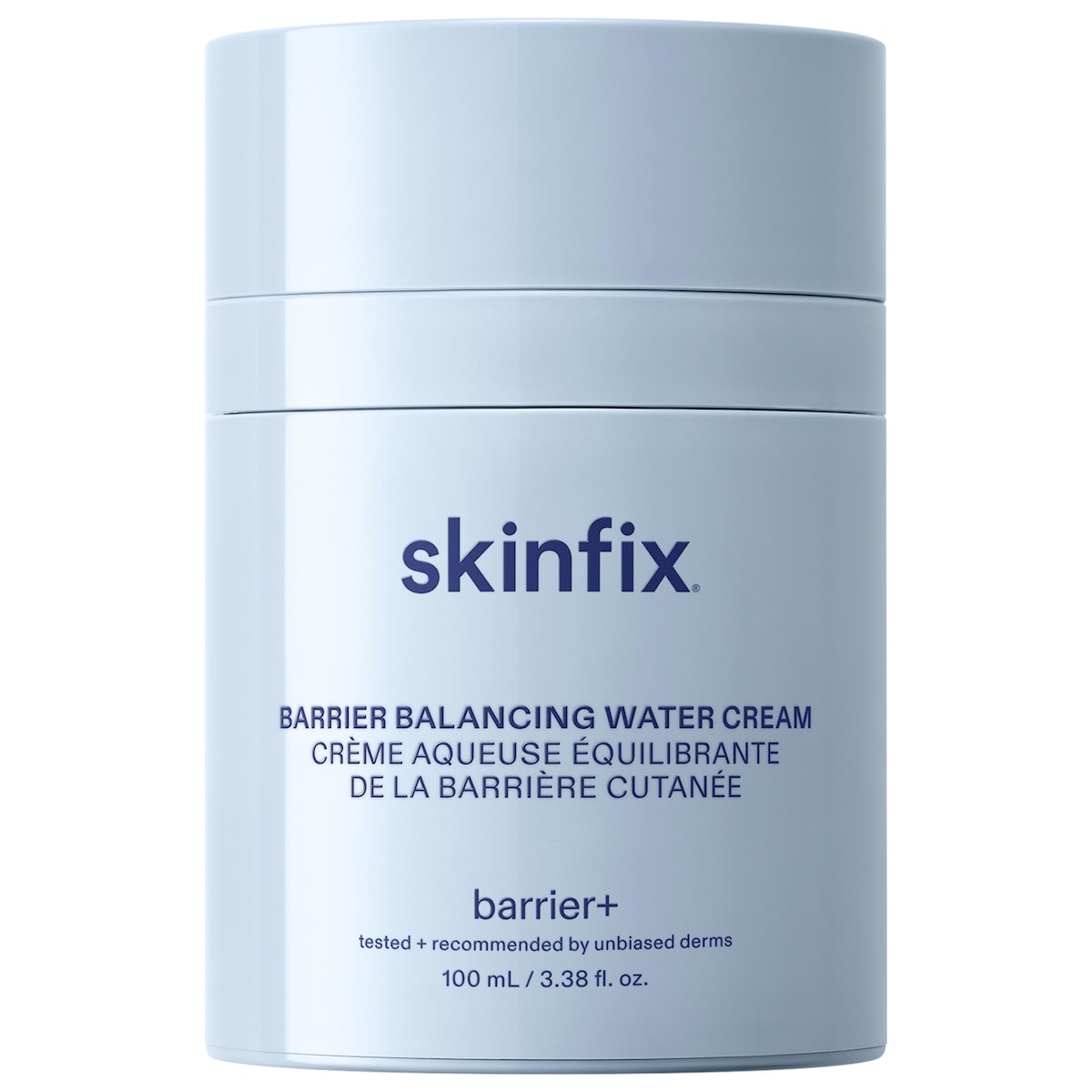
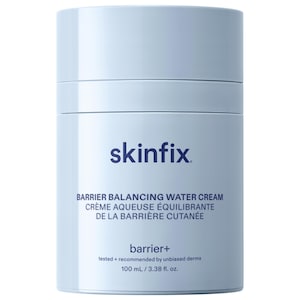 | Moisturizer | Skinfix Barrier Balancing Water Cream | Oily or combination skin that still needs comfort | Finishes the routine without a heavy cream feel |
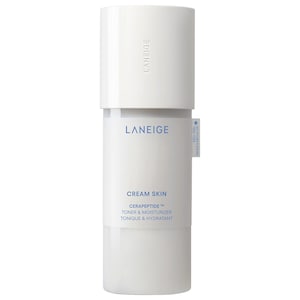 | Richer hydration | LANEIGE Cream Skin Milky Toner | Dry or barrier-tired skin | A better choice when watery hydration is not enough |
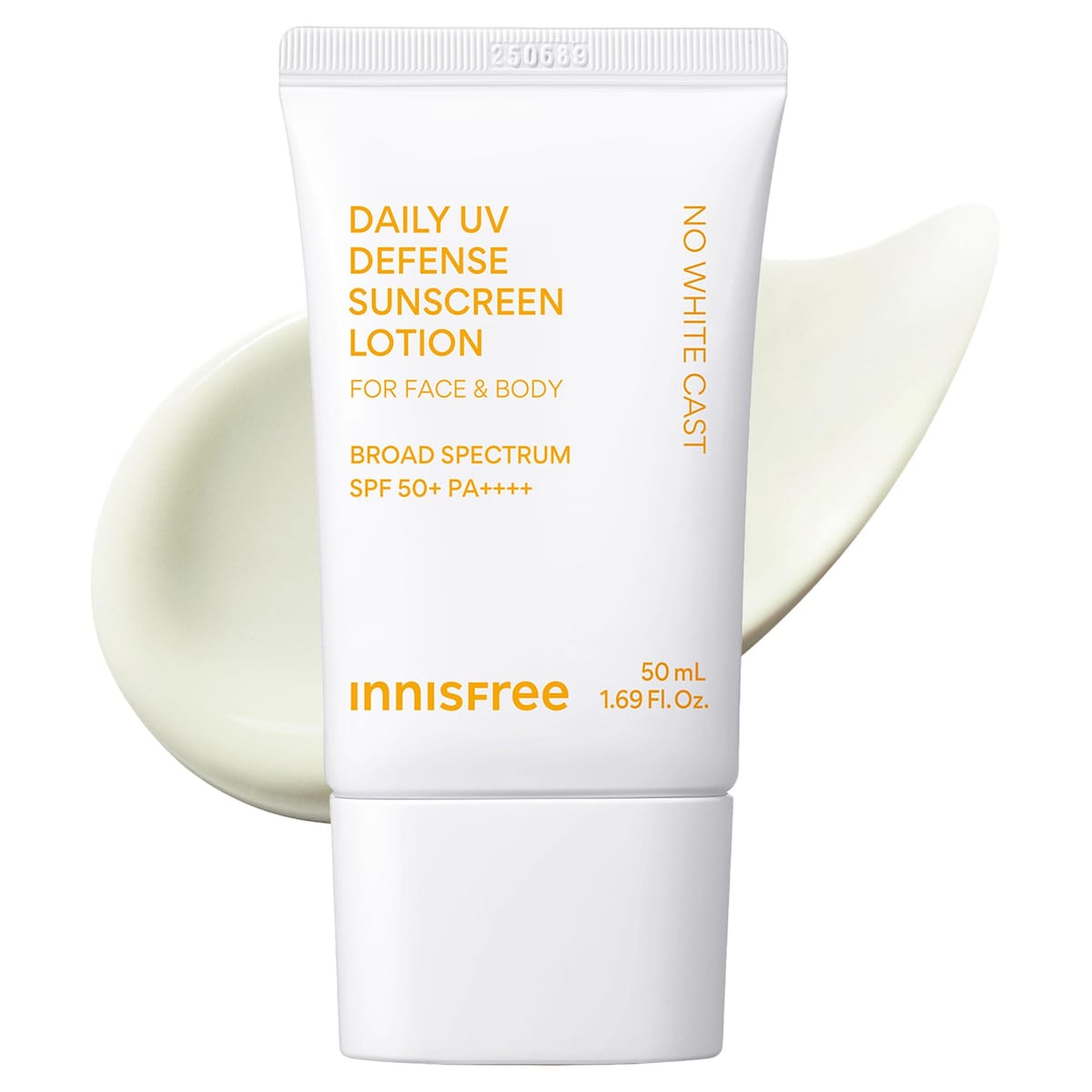
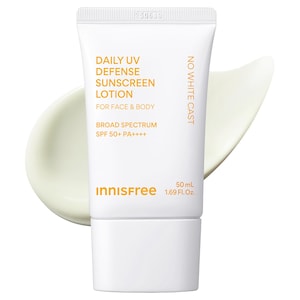 | SPF | innisfree Daily UV Defense SPF 50+ PA++++ | Daily morning wear | Keeps the routine from collapsing at the sunscreen step |
I would not buy every item in that table.
That matters.
I would pick one cleanser, one hydration layer, one serum if needed, one moisturizer, and one sunscreen. If your skin is oily, lean toward the Beauty of Joseon toner, Torriden only if you feel dehydrated, and Skinfix as the moisturizer. If your skin is dry or tight, the Laneige milky toner may make more sense than another watery layer.
The goal is not to own the whole routine.
The goal is to build the smallest version that your skin will repeat without complaining.
Step 1: Cleanse like you want your barrier to stay with you
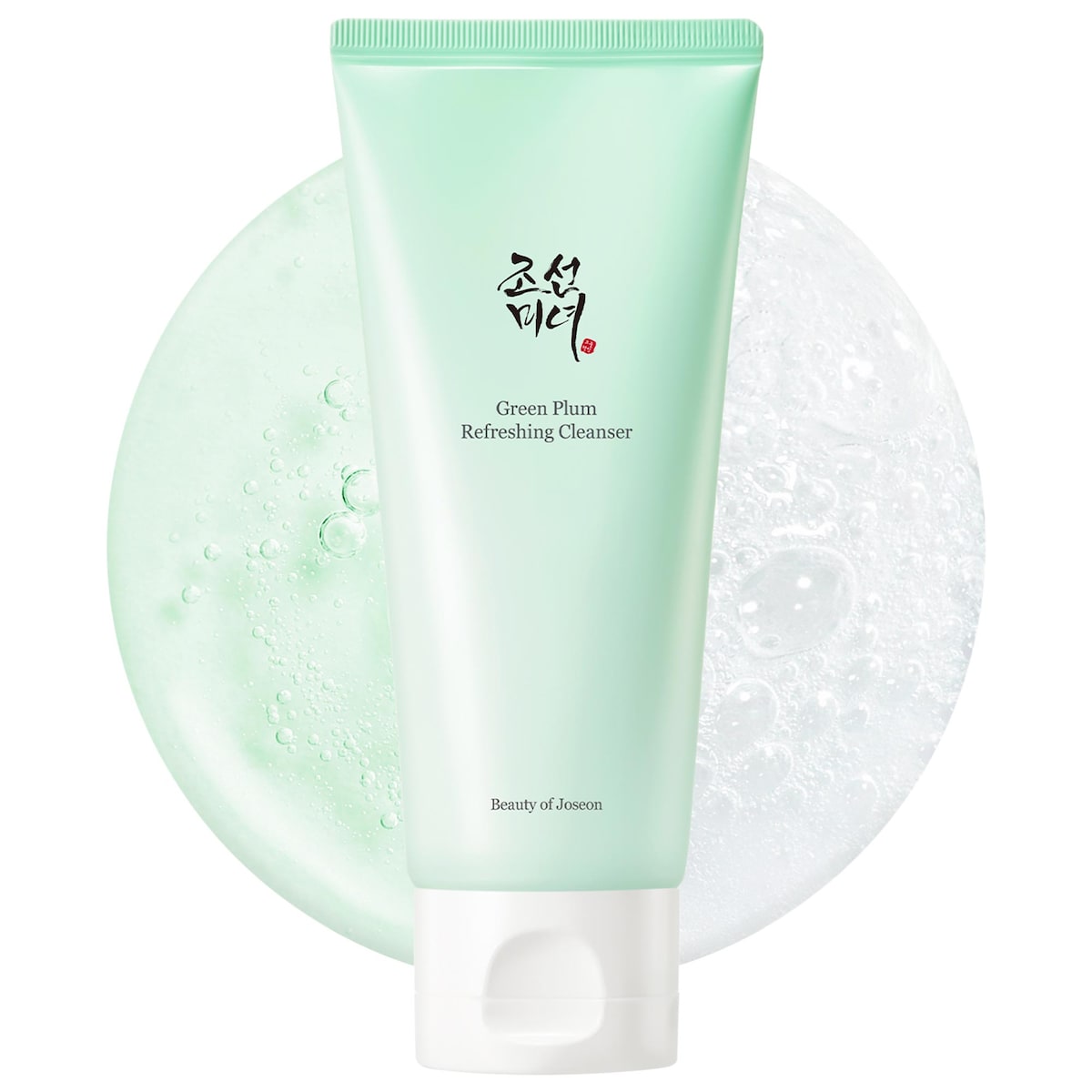
The cleanser decides the mood of the whole routine.
If it leaves your face tight, every later step has to repair that damage. If it leaves residue behind, the next layers feel weird. If it is too aggressive, the skin can look cleaner for five minutes and worse by lunch.
That is why I like the gentle-cleanser lane for glass skin. You still need the face clean, especially at night when sunscreen, makeup, sweat, and pollution have been sitting there all day. But you do not need the kind of cleanse that makes your cheeks feel polished raw.
The American Academy of Dermatology keeps the basic advice simple: use a gentle cleanser, avoid scrubbing, and use lukewarm water instead of hot water. I like that because it cuts through a lot of routine drama.
For the morning, I do not think every face needs a full cleanse. Oily skin might. Sweatier mornings might. But dry or sensitive skin may do better with water only or a very soft cleanse.
At night, I am stricter. If sunscreen is on, it needs to come off. If makeup is on, it needs to come off fully. That can mean a cleansing balm or oil first, then a gentle cleanser. The mistake is turning double cleansing into double stripping.
Step 2: Add hydration before you add ambition
This was the step I underestimated.
I thought moisturizer was the hydration step. Sometimes it is enough. A lot of the time, especially when skin looks flat, tight, or oddly shiny, it is not.
A light toner or essence can change how the whole routine sits. It gives the skin water support before the cream layer. That makes the final finish look less like product sitting on top and more like skin that has a little bounce again.
I keep this step thin.
One layer first.
If the skin still feels thirsty, maybe two.
I do not start with seven layers because seven layers are hard to understand. If the skin improves, which layer did it? If the skin gets sticky or clogged, which layer caused it? I want clean information.
The Beauty of Joseon rice toner makes sense for oily, combination, or normal skin that wants glow without weight. Dry skin may need something milkier, like Laneige Cream Skin, because dry skin often needs comfort and lipids, not just water.
This is where a lot of people copy the wrong routine. Oily skin sees dry-skin layering and gets congested. Dry skin copies an oily-skin gel routine and stays tight. Sensitive skin copies everything and then wonders why the face feels hot.
Hydration is not one texture.
It has to match the face in front of you.
Step 3: Pick one serum by problem, not by promise
This is where I used to overspend.
Serums are persuasive. They feel like progress. They make a routine look serious. They also create the fastest path to confusion if you keep adding them without assigning each one a job.
For glass skin, I would choose the serum based on the thing that is blocking the finish.
If the skin looks flat, tight, and papery, I would start with a hydrating serum like Torriden DIVE IN 5D Hyaluronic Acid Serum.
If the skin is oily, loud through the T-zone, or uneven after breakouts, I would think about niacinamide and read niacinamide vs hyaluronic acid for glass skin before buying another bottle.
If the skin has rough texture, I would not automatically add more hydration forever. I would first make sure the barrier is calm, then consider gentle exfoliation on a schedule.
If dark spots are the problem, I would not expect a glow serum to do the whole job. I would build around sunscreen consistency, brightening support, and time. Best dark spot serums at Sephora is the more focused lane for that.
One serum is not a lack of effort.
One serum is how you learn what actually changed.
Step 4: Moisturizer is not optional just because you want glow
Skipping moisturizer can make sense for about an hour.
Then the routine starts showing the cost.
Oily skin gets oilier and less comfortable. Dry skin gets dull again. Sensitive skin gets easier to irritate. Makeup catches. Sunscreen pills. Everything feels less predictable.
The trick is choosing the right moisturizer texture, not pretending your skin does not need a final comfort step.
For oily or combination skin, I like water creams and gel creams. They make the routine feel finished without forcing a rich finish. Skinfix Barrier Balancing Water Cream fits that lane well.
For dry skin, I would not force a gel just because the phrase "glass skin" sounds lightweight. Dry skin often needs more cushion. That might mean a richer cream, a milky toner underneath, or a balm only on the dry zones.
For sensitive skin, I care less about trend ingredients and more about repeatability. If a moisturizer lets you go to bed without stinging, tightness, or a red flush, it is doing more for your glow than a dramatic active your skin hates.
The skin has to feel safe before it looks expensive.
Step 5: Sunscreen is the part that makes the whole routine less wasteful
I do not trust a glow routine that treats sunscreen like a footnote.
The American Academy of Dermatology recommends a broad-spectrum, water-resistant sunscreen with SPF 30 or higher. That is the baseline I keep in mind because uneven tone, dark spots, redness, and texture all get harder to manage when UV protection is inconsistent.
The best sunscreen is not the one with the most beautiful description.
It is the one you will actually wear.
For glass skin, that usually means the finish has to work with your skin type. If it is too greasy, oily skin will skip it. If it is too matte, dry skin may look flat. If it stings, sensitive skin will avoid it. If it pills, nobody wants to use it under makeup.
This is why I like easy Korean sunscreen textures in the morning. Innisfree Daily UV Defense SPF 50+ PA++++ makes sense as the everyday lane because it does not ask the rest of the routine to fight it.
Sunscreen also keeps the routine honest. If you are using vitamin C, exfoliating acids, retinoids, brightening ingredients, or anything for dark spots, skipping sunscreen is like cleaning the kitchen while the sink is still overflowing.
It is not the glamorous step.
It is the step that protects the work.
Where exfoliation fits
Exfoliation can help glass skin.
It can also ruin the whole thing.
I use it only when the barrier is calm and the problem is actually buildup, roughness, or dull surface texture. I do not use it because my skin feels boring. I do not use it because a routine chart told me Tuesday is acid night. I definitely do not use it when my face is already burning.
The safest way to think about exfoliation is frequency first.
Start once a week.
Watch the next two days.
If the skin looks smoother and feels normal, you learned something. If it feels tight, shiny in a weird way, or more reactive, you also learned something.
Oily and acne-prone skin may prefer a BHA lane. Dry or dull skin may prefer a gentle AHA lane. Sensitive skin may need to skip exfoliation for a while or use it rarely.
What I would not do is use an exfoliating cleanser, an acid toner, a peel pad, and a retinoid in the same week because each one sounded reasonable on its own.
That is how a glow routine becomes a repair routine.
Where retinoids fit
Retinoids are not mandatory for glass skin, but they can be useful if your goals include texture, fine lines, uneven tone, or longer-term skin quality.
The problem is timing.
I would not start a retinoid while also rebuilding every other step. That makes irritation hard to trace. I would get the cleanser, hydration, moisturizer, and sunscreen stable first. Then I would add retinoid slowly at night.
Once a week can be enough for a test.
Not because that is the final goal. Because it gives your face a chance to answer.
If your skin stays calm, move up gradually. If it burns, flakes, or gets tight, reduce frequency before replacing the whole routine. A lot of people do not fail retinoids because retinoids are impossible. They fail because they try to make their skin adapt faster than it wants to.
That is not discipline.
That is impatience wearing a lab coat.
How I would adjust it by skin type
The same glass skin care routine should not look identical on every face.
That is where most advice gets too neat.
For oily skin, I would keep textures light and put oil balance in one targeted step. Gentle cleanser, light toner, niacinamide if needed, water cream, sunscreen. If your face is greasy but tight, read oily dehydrated skin skincare routine before assuming you need more mattifying products.
For dry skin, I would use fewer watery layers and more comfort. Gentle cleanse, milky toner, hydrating serum if needed, richer moisturizer, sunscreen. Dry skin usually needs glow from barrier comfort, not just more water.
For sensitive skin, I would remove variables. Gentle cleanse, one calming hydration layer if tolerated, barrier moisturizer, sunscreen. No fragrance-heavy extras. No new acid just because the routine feels too plain.
For acne-prone skin, I would avoid turning the routine into a product pile. Cleanse well, moisturize properly, use sunscreen, then add acne treatment in one clear lane. Glass skin with acne-prone skin is not about pretending pores do not exist. It is about making the skin calmer, less inflamed-looking, and more consistent.
For combination skin, I would stop trying to make every zone happy with the same amount of product. Lighter layers through the T-zone. More moisturizer on the cheeks. Balm only where needed. A face is allowed to have regions.
What I would ignore
I would ignore any routine that makes "poreless" sound literal.
Pores are normal. Texture is normal. Skin is not glass. The useful version of the goal is smoother, more hydrated, more even-looking skin. The harmful version is chasing a filtered surface that no real bathroom mirror can reproduce.
I would also ignore routines that require a new product in every category before you are allowed to begin.
You can start with what you own:
- a cleanser that does not strip
- a moisturizer you can tolerate
- a sunscreen you will wear
- one hydration step if your skin needs it
- one treatment if there is a specific concern
If that sounds basic, good.
Basic routines are easier to repeat. Repeated routines give better data. Better data saves money.
The 30-day test I would run
If I were starting today, I would give the routine 30 days before judging it.
Not because every concern fixes itself in a month. Dark spots, acne marks, deeper texture, and fine lines usually need longer. But 30 days is enough to learn whether the routine is calmer, more wearable, and less irritating.
I would track four things:
- Does my skin feel tight after cleansing?
- Does my face look shiny or hydrated by midday?
- Are new bumps showing up after specific textures?
- Am I actually repeating the morning sunscreen step?
That last one is the honesty test.
A routine you abandon by day six is not better because it looked impressive on paper. It is just more expensive evidence that your skin wanted something simpler.
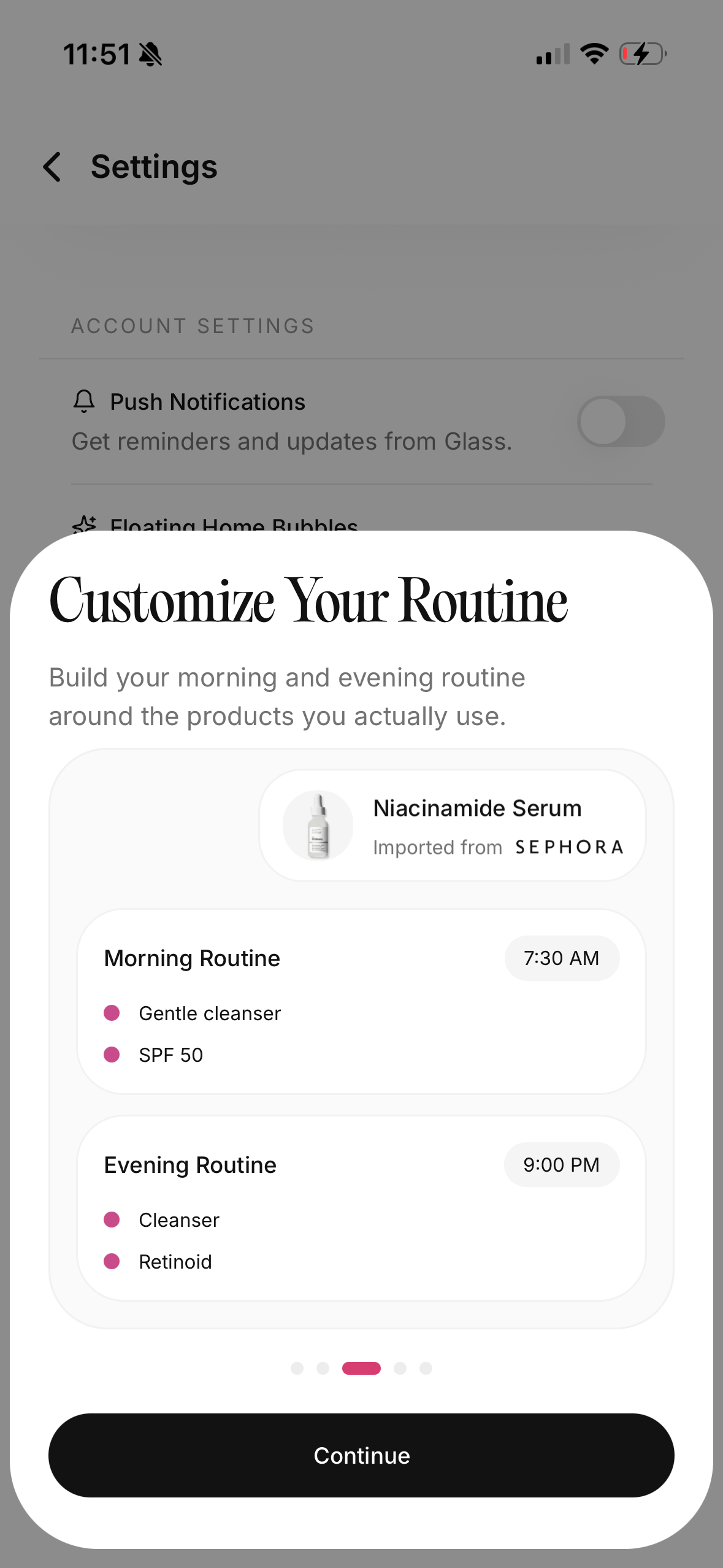
Glass can help here because the app is built around the part people skip: consistency. You can build the routine, track morning and night steps, log what changed, and compare skin scans over time instead of guessing whether a product is working because you feel hopeful on a Tuesday.
That is the practical side of the glow. You need a routine you can measure, not just admire.
My final rule
The routine should make your skin quieter first.
Then brighter.
Then smoother.
Then more reflective.
If you try to jump straight to reflective, you usually end up with too much product, too much shine, and not enough actual skin improvement.
The version I trust is slower. It starts with the barrier. It respects your skin type. It treats sunscreen like part of the result. It adds actives only when the basics are stable.
That is what finally made the phrase glass skin feel useful to me.
Not perfect skin.
Not poreless skin.
Skin that looks like it is being taken care of consistently enough to show it.
FAQ
How long does a glass skin care routine take to work?
You can see better comfort and surface hydration within days if your old routine was stripping or under-moisturizing your skin. More visible changes in texture, tone, and post-breakout marks usually take several weeks to months, especially if actives or sunscreen consistency are part of the plan.
Do I need a 10-step Korean skincare routine for glass skin?
No. A 10-step routine can work for some people, but it is not required. Most people should start with cleansing, hydration, moisturizer, sunscreen, and one targeted treatment only if needed. Add steps because your skin asks for them, not because a checklist does.
Is glass skin possible with oily skin?
Yes, but the finish has to be balanced. Oily skin usually needs lightweight hydration, one oil-balancing step, a water-cream moisturizer, and a sunscreen that does not feel greasy. The goal is hydrated glow, not uncontrolled shine.
What should I stop doing if my skin gets irritated?
Pause exfoliating acids, retinoids, scrubs, strong vitamin C, fragrance-heavy products, and new masks. Keep the routine boring for a week or two: gentle cleanse, moisturizer, sunscreen, and balm on dry patches if needed. If irritation is painful, persistent, rash-like, or near the eyes, get professional advice.
Can Glass help me build this routine?
Yes. Glass is useful when you want the routine to become repeatable instead of theoretical. You can build morning and night steps, track consistency, log skin scans, and notice whether your skin is responding to the routine you are actually doing.