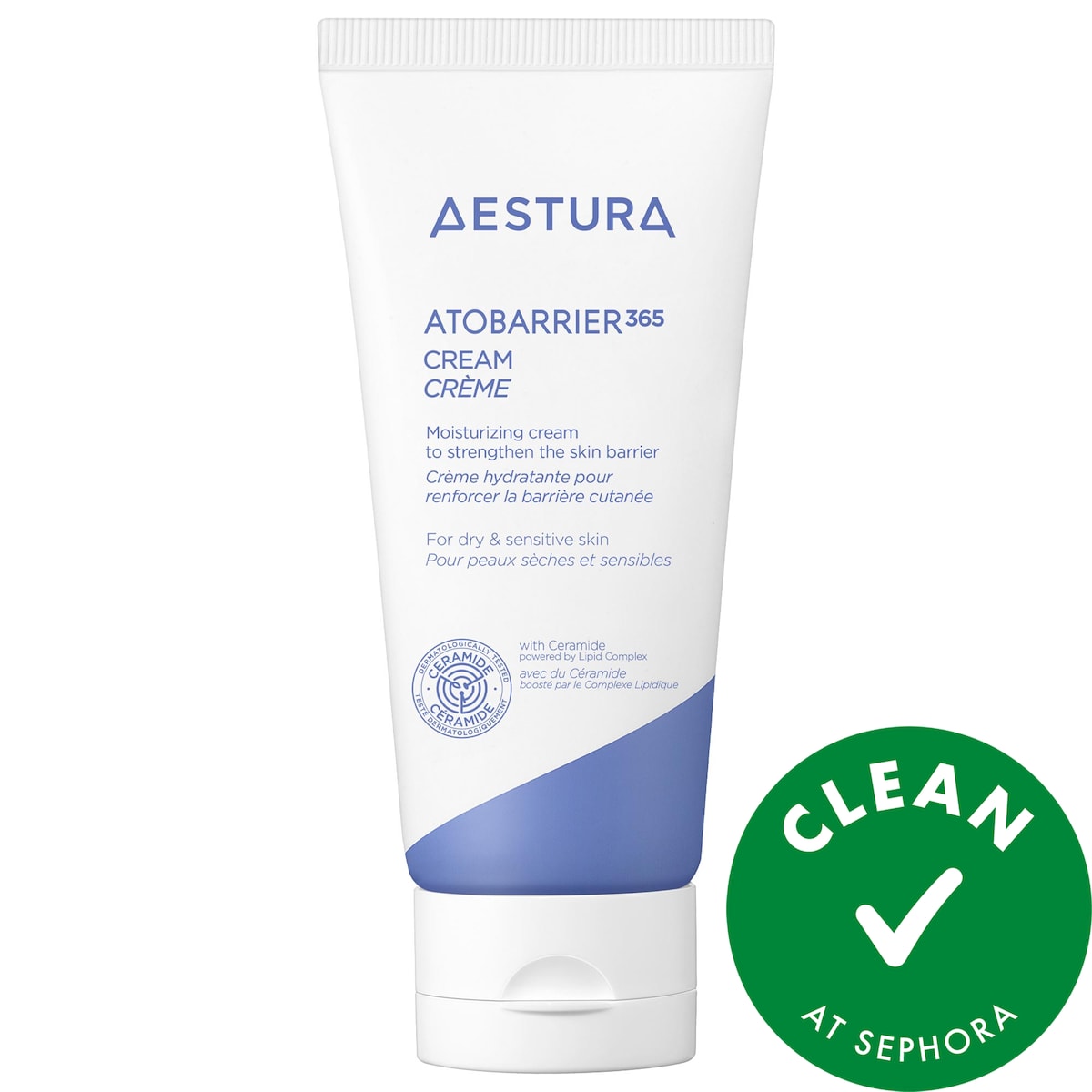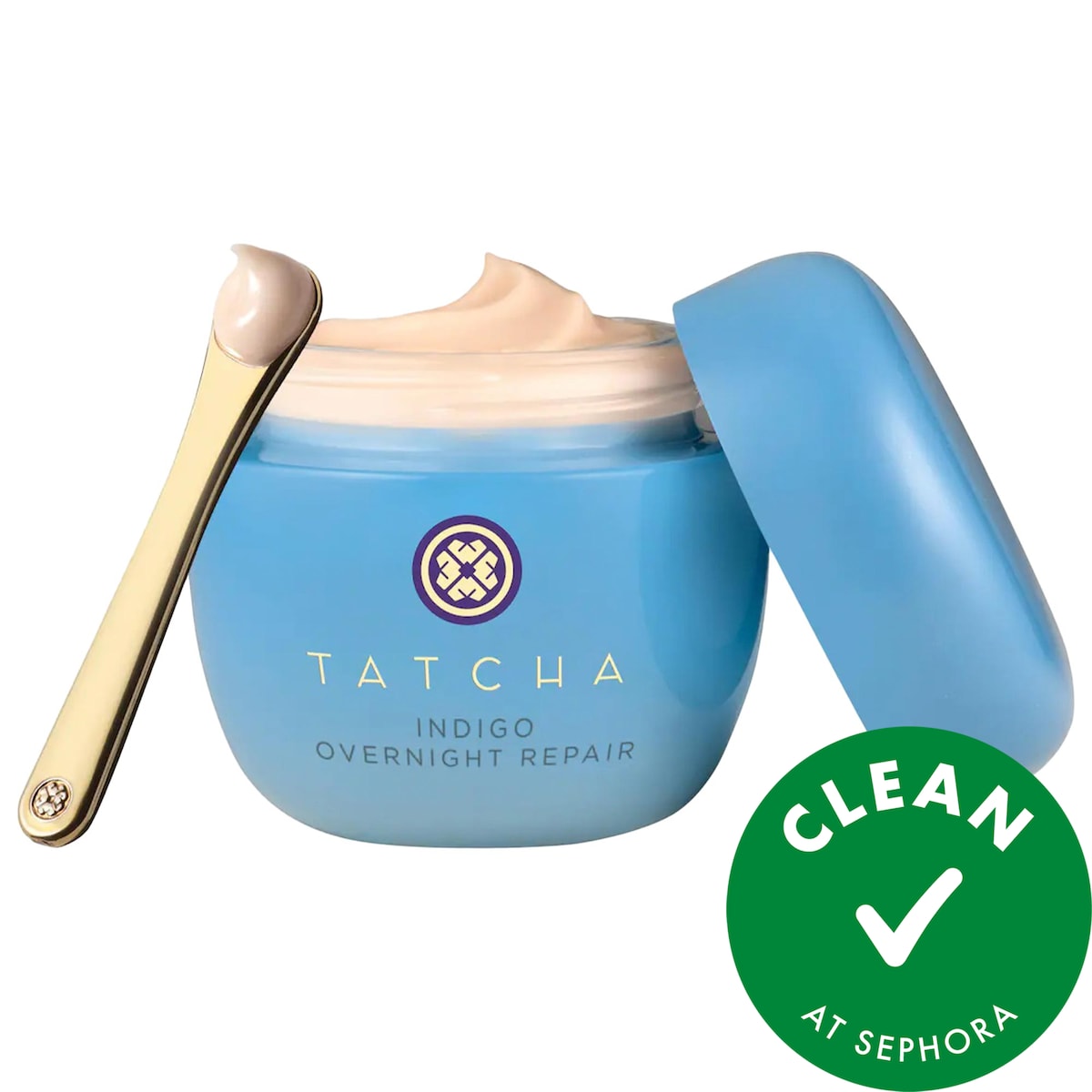
If you search night skincare routine right now, the published guides mostly agree on the broad outline.
Cleanse. Use a treatment. Moisturize. Maybe exfoliate a few nights a week. Maybe double cleanse if you wore makeup. Maybe add an essence, eye cream, oil, or overnight mask if you want to go further.
That advice is not wrong. It is just not specific enough to solve the problem most people actually have.
Most readers are not searching this because they want a longer bedtime ritual. They are searching because their skin still feels off even after doing “the right things.” Usually it is one of these:
- skin feels tight right after washing
- the routine pills or feels sticky when too many layers get involved
- treatment products work for two nights, then the skin gets irritated
- oily skin still wakes up greasy, while dry skin still wakes up flat
- the PM routine looks impressive on paper but never becomes something you actually want to keep doing
To shape this guide, I reviewed published guides and reference pages on April 19, 2026, including Dot & Key’s Night Skincare Routine for All Skin Types (2026 Guide), Doctor Rogers Skin Care’s Dermatologist-Recommended Nighttime Skincare Routine, Women’s Health’s The Best Nighttime Skincare Routine, According to Dermatologists, Prevention’s The Best Nighttime Skincare Routine, According to Dermatologists, and Byrdie’s night skincare routine guide. I also cross-checked current dermatologist guidance from the American Academy of Dermatology on face washing, safe exfoliation, and how to control oily skin.
Those pages broadly get the big things right:
- nighttime is the best place for your more treatment-focused steps
- over-cleansing and over-exfoliating still ruin a lot of routines
- you do not need a 10-step routine for visible progress
- moisturizer matters at night even if your skin is oily
What still gets glossed over is routine architecture.
The guides tell readers what categories exist. They do not always do enough to show which steps are core, which ones are optional, and where routines start going wrong for real people.
That is why this article is narrower.
It is built around a 5-step night skincare routine with one optional treatment-night lane, real Sephora product examples, and a cleaner answer to the question most people are actually asking:
_What should I do at night if I want my skin to look better by morning without turning bedtime into a second job?_
Quick answer
If you want the shortest version first, this is the best default night skincare routine for most people:
- Remove makeup and sunscreen fully if you wore them.
- Cleanse with a gentle, non-stripping cleanser.
- Add one hydrating layer.
- Use one treatment serum only if your skin actually needs one.
- Finish with a moisturizer that fits your skin type.
That is already a complete PM routine.
Exfoliation, retinoids, sleeping masks, face oils, and slugging all belong in the optional lane, not the “everyone needs this every night” lane.
If your skin currently stings, burns, or looks shiny and flaky at the same time, stop chasing performance first and read skin barrier repair routine: what to do when everything suddenly stings. A calmer barrier usually makes every other skin goal easier.
What this guide focuses on
The same five problems kept showing up across published guides and real routines:
- Many pages explain nighttime skincare in theory, but not how to keep the routine from becoming too crowded.
- They mention treatment products without clearly separating a default night from a treatment night.
- They tell readers to hydrate, but not enough about choosing the right texture for dry, oily, combination, or reactive skin.
- They mention exfoliation, but often too casually for people who are already using retinoids or acne actives.
- They do not spend enough time on the question readers actually care about: which step should own the result you want by morning?
That is the value of this page.
Instead of making the routine sound more elaborate than it needs to be, this guide keeps each step focused on one job and tells you where to stop adding products.
Quick product table
| Image | Step | Product | Best for | Why it earns a place |
|---|---|---|---|---|
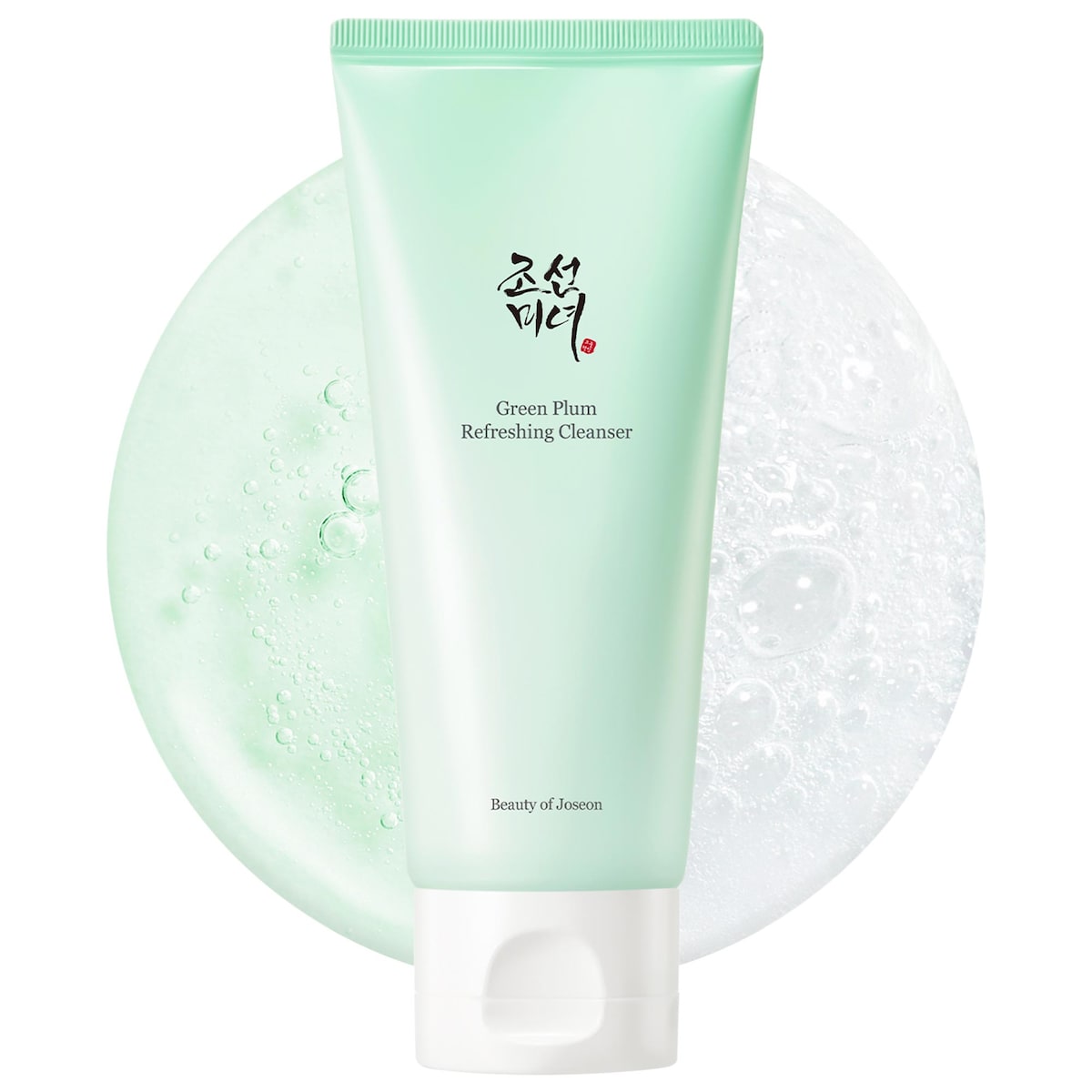
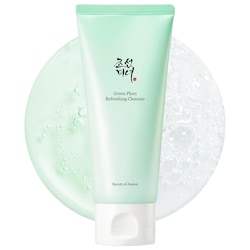 | Cleanse | Beauty of Joseon Green Plum Refreshing Cleanser for Gentle Daily Wash | Most skin types that want a gentler PM reset | A better nightly baseline than a harsh “deep clean” wash |
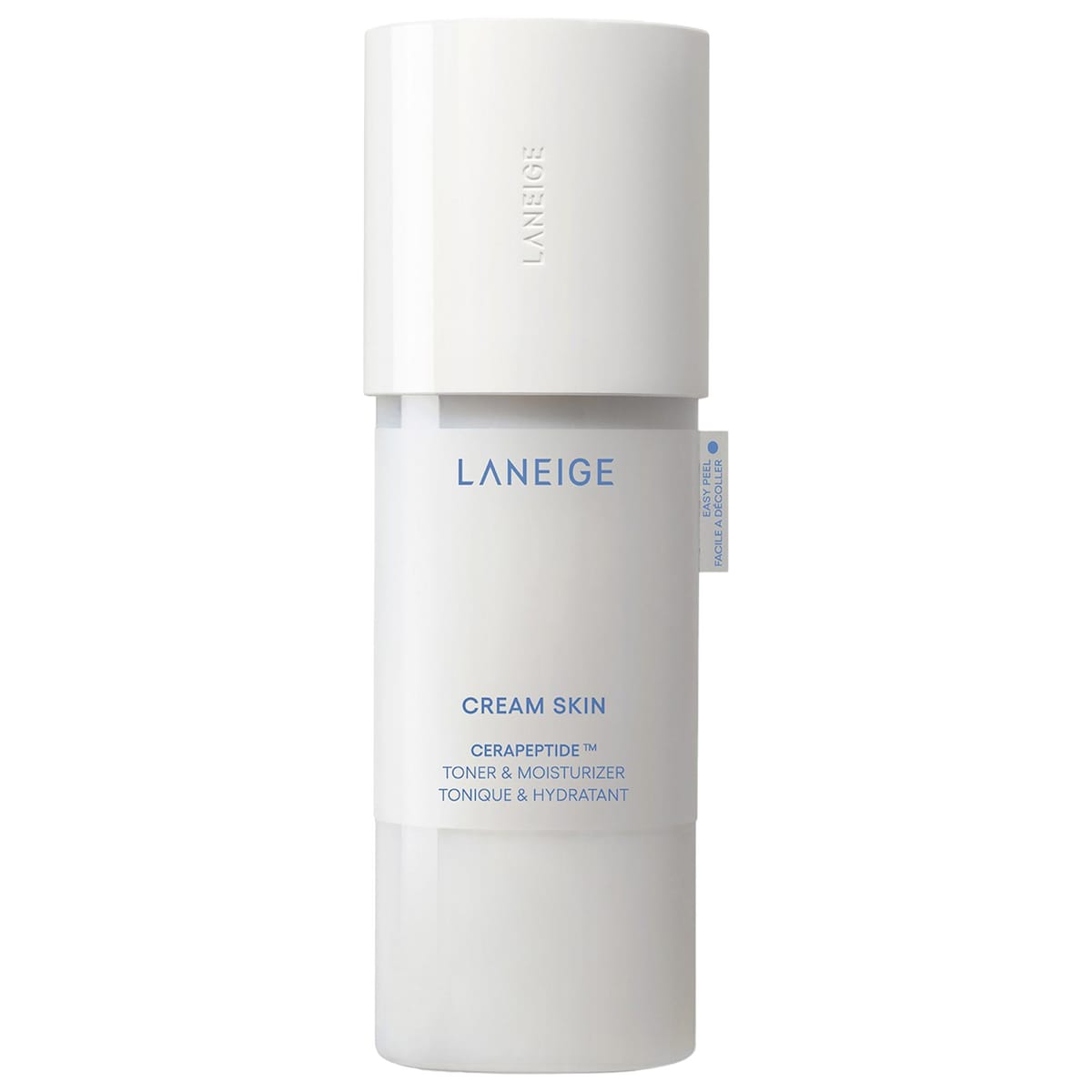
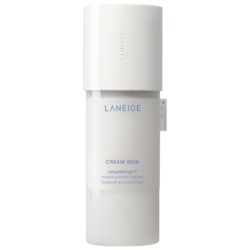 | Hydrate | LANEIGE Cream Skin Refillable Milky Toner with Ceramides and Peptides | Dry, dehydrated, or dull skin | The fastest way to make the routine feel cushioned instead of abrupt |
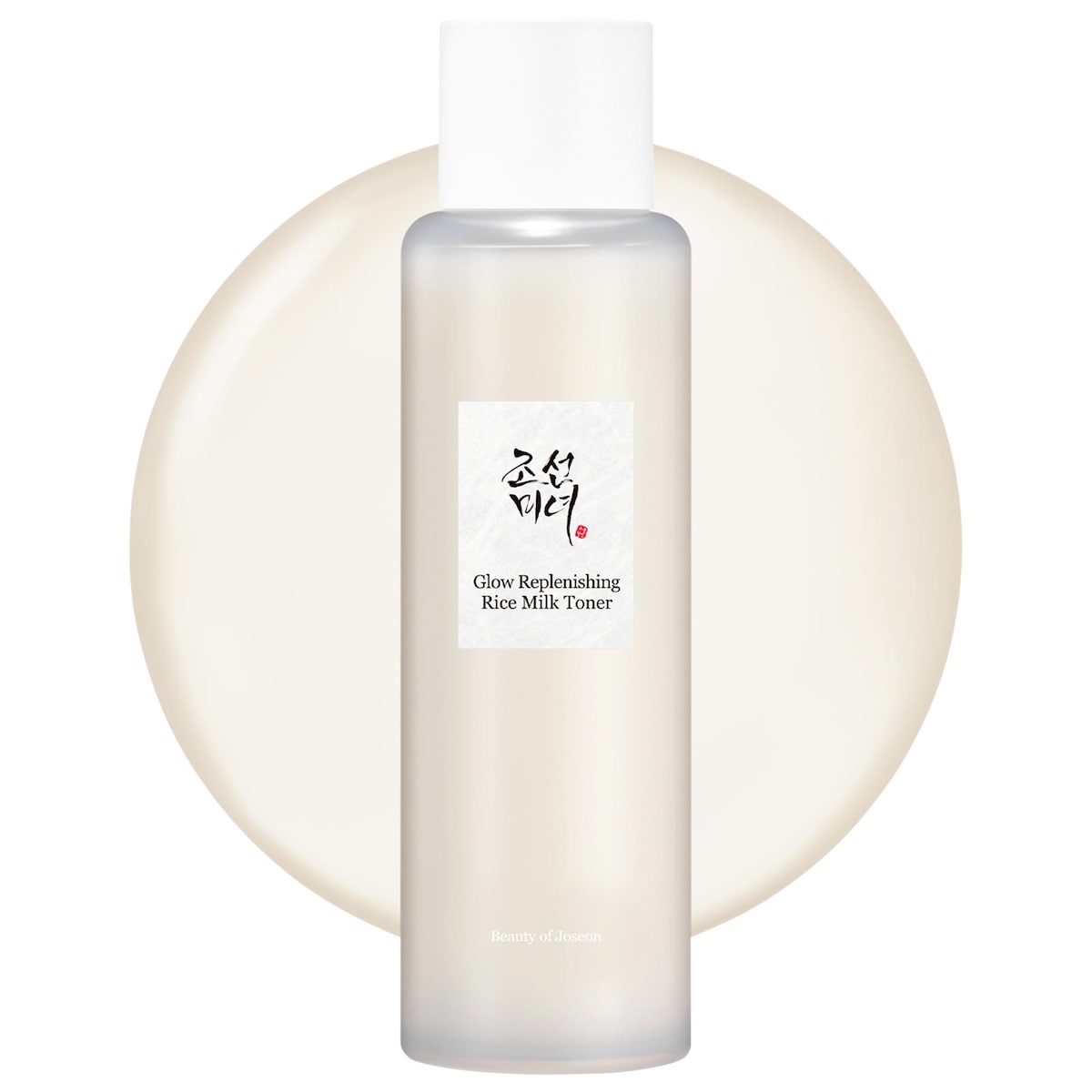
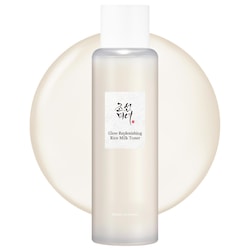 | Light hydration option | Beauty of Joseon Glow Replenishing Rice Milk Lightweight Hydration Toner | Combination or oilier skin | Better when creamier toners feel too heavy |
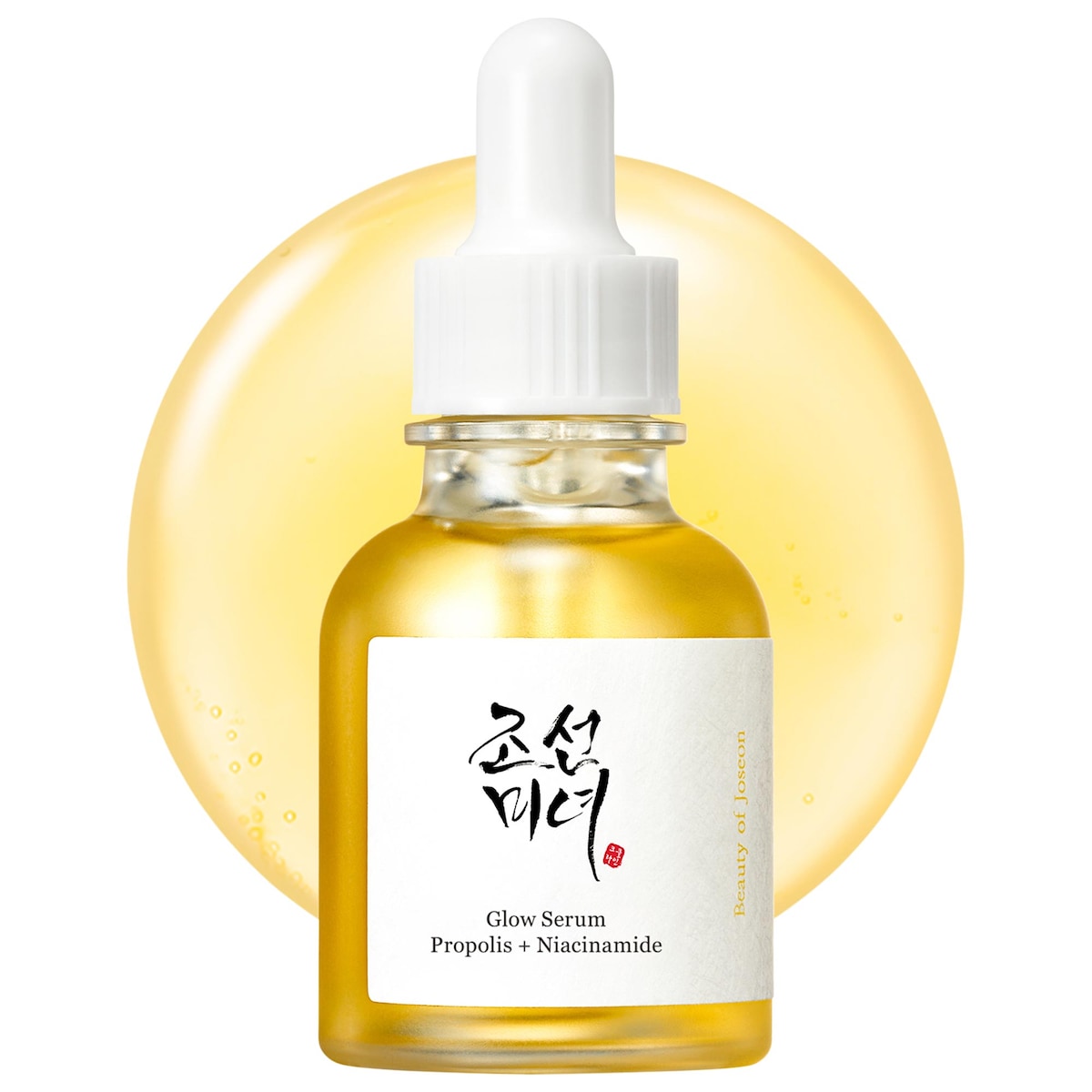
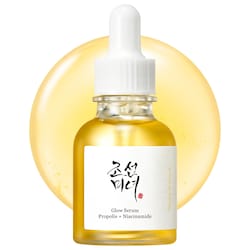 | Treatment | Beauty of Joseon Glow Serum for Oil Control with Niacinamide | Uneven tone, visible pores, post-breakout imbalance | A cleaner balancing step than stacking multiple active serums |
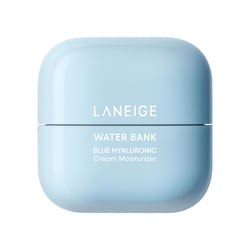 | Moisturize | LANEIGE Water Bank Blue Hyaluronic Cream Moisturizer for Moisture Barrier Repair | Normal to dry skin | A stronger overnight seal without feeling too dense for most people |
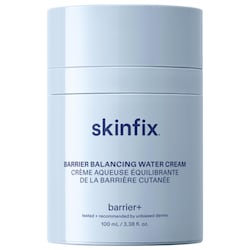 | Lighter moisturizer | Skinfix Barrier Balancing Water Cream Moisturizer with Hyaluronic Acid | Combination or oily skin | The moisturizer slot oily skin is actually more likely to keep using |
The night skincare routine that actually makes sense
The easiest way to fix a PM routine is to think in terms of jobs, not products.
At night, your routine only needs to do five things well:
- Remove what should not stay on the skin.
- Avoid creating irritation in the cleansing step.
- Add hydration back in.
- Use one targeted treatment if you have a real reason.
- Seal the routine so your skin does not feel worse by morning.
That is it.
If your current lineup includes an exfoliating cleanser, a treatment toner, two serums, retinol, an eye cream, a night cream, and then a sleeping mask because your skin still does not feel right, the problem may not be that you need one more product. The problem may be that no single step has a clear job anymore.
1. Start by removing the day without making the rest of the routine work harder
This is the step that decides whether your routine starts from neutral or from behind.
The AAD’s current face-washing guidance is still the most useful anchor here: use a gentle, non-abrasive cleanser, wash with lukewarm water, avoid scrubbing, and do not over-wash. That matters because a lot of night routines fail before the treatment step even begins.
If your face feels tight right after cleansing, looks oddly shiny in a stripped way, or gets more reactive night after night, you are not getting a better cleanse. You are just creating more cleanup work for the rest of the routine.
Beauty of Joseon Green Plum Refreshing Cleanser is a strong default because it stays in the gentle-daily lane:
- better for repeated use than the average harsh “deep cleanse”
- easier to pair with treatment products later in the routine
- a smarter default when your skin already feels a little over-handled
If you wore makeup or heavier sunscreen, remove that first or double cleanse. If you wore very little all day, one solid gentle cleanse is enough.
If cleanser choice is the main problem, best Sephora cleansers for sensitive skin and best Sephora cleansers for dry skin are the best next reads, depending on what your skin is doing.
2. Add one hydrating layer so your serum and moisturizer are not trying to do everything
This is the step a lot of routines skip, then quietly miss.
A hydrating toner or milky layer helps because it spreads the hydration job across the routine instead of forcing one serum and one moisturizer to do all the heavy lifting. In practice, that usually makes skin look less flat and feel less abruptly dry after cleansing.
The right version depends on skin feel:
- if your skin runs dry or dehydrated, LANEIGE Cream Skin is the easier fit
- if your skin is combination or oilier, Beauty of Joseon Glow Replenishing Rice Milk usually behaves better
Choose this step if:
- your skin feels dry immediately after cleansing
- your routine looks fine on paper but still feels abrupt
- your glow disappears fast
- sunscreen or makeup catches on rough texture the next day
This is one of the places generic advice stays too broad. A lot of articles say to hydrate, but they do not always explain that hydration texture class matters. The right hydrating step should support the routine, not make it feel coated.
If hydration is your main bottleneck, best hydrating serums at Sephora for glass skin and best Korean toners at Sephora for glass skin (2026) go deeper.
3. Use one treatment serum only if your skin has a real job for it
This is where many nighttime routines get crowded for no reason.
You do not automatically need a treatment serum every single night. Add one when your skin has a specific issue you are actually trying to solve, such as:
- oily areas that still look dehydrated
- visible pores through the center of the face
- post-breakout unevenness
- dullness that feels more like imbalance than dryness
That is where Beauty of Joseon Glow Serum for Oil Control with Niacinamide earns its place. It gives the routine one balancing owner instead of pushing you toward a stack of brightening, smoothing, and pore-refining products all at once.
Use this step when:
- your face needs balance more than more hydration
- you want a smoother, calmer look by morning
- your routine needs one treatment lane, not three
Skip it when:
- your skin is irritated or reactive
- you are already using stronger actives elsewhere
- cleanser, hydration, and moisturizer already feel ideal
That last point matters. Good night routines are often smaller than people expect.
If niacinamide is the lane you need, best niacinamide serums at Sephora for pores and niacinamide vs hyaluronic acid for glass skin are the cleanest next reads.
4. Moisturize based on how your skin behaves by morning, not on what sounds richest
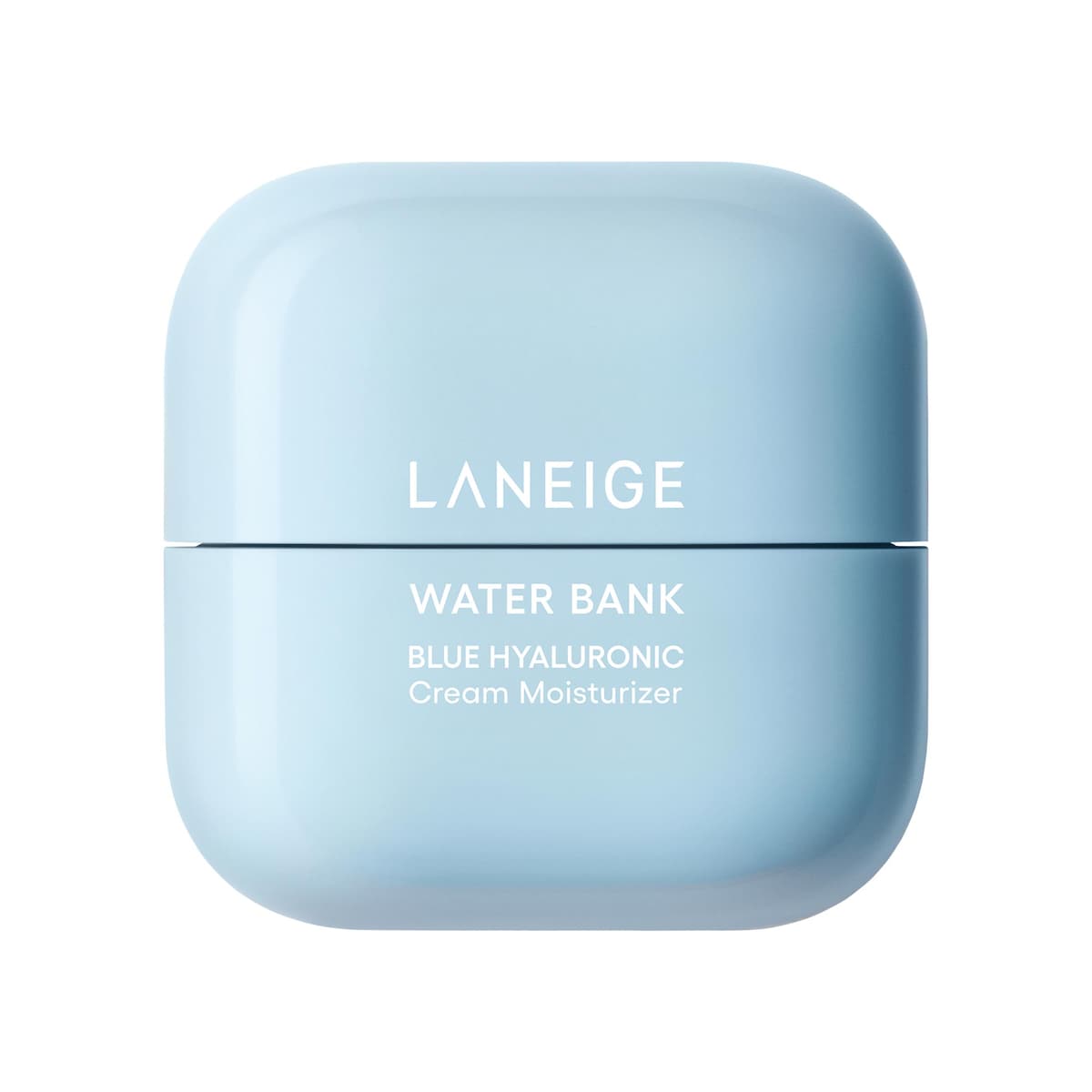
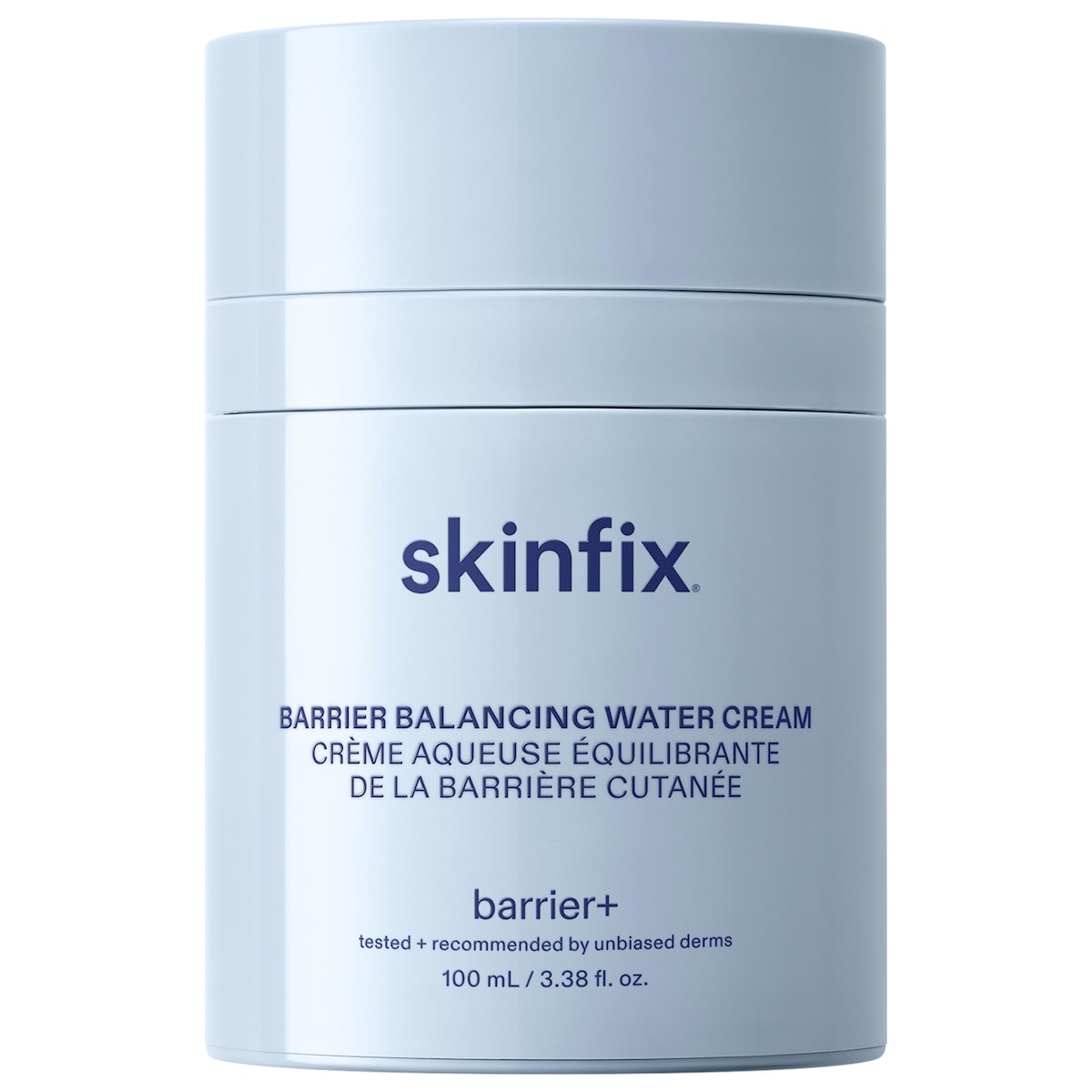
Moisturizer is where a lot of people accidentally confuse comfort with heaviness.
The right night moisturizer should make skin feel supported by morning. The wrong one either disappears too fast or sits too heavy and makes the whole routine feel harder to repeat.
Use LANEIGE Water Bank Blue Hyaluronic Cream if:
- your skin is normal to dry
- you want a smoother, softer finish overnight
- your current moisturizer feels too light to carry the PM routine
Use Skinfix Barrier Balancing Water Cream if:
- your skin is combination or oily
- richer creams make you feel greasy fast
- you want moisture without the “coated” feeling
This is also where AAD guidance on oily skin matters. Oily skin still needs moisturizer. The smarter move is not skipping it. The smarter move is choosing a texture you can actually live with.
If moisturizer is the part that keeps breaking the routine, go next to best Sephora moisturizers for oily skin, best Sephora moisturizers for dry skin, or best night creams at Sephora, depending on the finish you need.
5. Keep exfoliation and stronger actives in the optional lane
This is where generic advice is most likely to get readers in trouble.
The AAD’s exfoliation guidance is still very clear: more is not better, and over-exfoliation can quickly push skin into irritation. That is especially important if you already use retinoids, acne treatments, or stronger brightening products.
A smarter rhythm looks like this:
- default nights: cleanse, hydrate, moisturize, and maybe one gentle balancing serum
- treatment nights: swap in a stronger step with a clear purpose
- recovery nights: go simpler when the skin feels overdone
That structure solves one of the biggest problems with ranking content. Most articles list every possible nighttime step in one stream, which makes it sound like everything belongs in the same evening.
It does not.
If your concern is clogged pores or breakouts, treatment nights can make sense. If your skin is dry or reactive, recovery nights often make more sense than pushing harder.
If your main concern is getting the order right before layering actives, nighttime skincare routine order (April 2026) is the more exact companion read.
How to adjust the same routine for your skin type
One reason broad “night skincare routine” articles underperform in real life is that they talk as if the same texture profile should work for everyone.
It should not.
If your skin is dry
Keep the cleanser gentle, choose the richer hydrating layer, and bias slightly richer on moisturizer. If you keep waking up tight, the problem is usually not that you need more actives. It is that your hydration and seal steps are too light.
Start with night skincare routine for dry skin (April 2026) for the full dry-skin version.
If your skin is oily
Do not skip hydration just because you see shine. Use lighter textures, keep treatment steps focused, and resist the urge to scrub. A lot of oily skin does better with less force, not more.
Go next to night skin care routine for oily skin (April 2026) for the oilier version.
If your skin is sensitive
Shrink the routine first. Gentle cleanse, hydration, moisturizer, and very careful treatment use. If your skin is already reacting, drop the optional lane before you add anything new.
Night skincare routine for sensitive skin (April 2026) is the better branch if stinging or redness is the real issue.
The biggest mistakes that keep a night skincare routine from working
Treating every night like a treatment night
Skin usually looks better when there is a difference between a default night and a stronger night. If you are exfoliating, retinol-ing, and layering acids every evening, the problem is probably not that you need a better serum.
Confusing “more steps” with “better skin”
The top results still drift this way. But in practice, most people do better with a routine they can repeat for six weeks than with a routine that sounds impressive for three nights.
Choosing cleanser based on how “clean” it feels
That tight, squeaky finish is often a warning sign, not a win.
Skipping moisturizer because your skin is oily
That usually makes the routine less stable, not more controlled.
Adding actives before fixing the basic architecture
If cleanse, hydrate, and moisturize are not working yet, another active product often just adds confusion.
FAQ
What is the best night skincare routine?
For most people, the best night skincare routine is cleanse, hydrate, one treatment only if needed, and moisturizer. The exact textures should change with your skin type, but the structure usually does not need to be more complicated than that.
Do I need a treatment serum every night?
No. A lot of people get better results when treatment steps stay in a focused lane instead of showing up every evening by default.
Should oily skin use moisturizer at night?
Yes. The better question is which moisturizer texture fits oily skin best. Skipping moisturizer entirely often makes the routine less balanced.
How often should I exfoliate at night?
Usually less often than people think. Frequency depends on your skin type, tolerance, and whether you already use retinoids or acne actives. The AAD’s guidance is a good reminder that over-exfoliation is a common mistake.
What if my skin looks worse after I add more night products?
That usually means the routine got too crowded, too active, or too irritating. Go back to the basics and rebuild from a calmer baseline.
Final takeaway
The best night skincare routine in April 2026 is not the one with the most steps. It is the one that removes the day cleanly, adds back the right amount of hydration, uses treatment products selectively, and leaves your skin feeling more stable by morning instead of more complicated.
If you want the smartest next step after this, go to nighttime skincare routine order (April 2026), morning and night skincare routine (April 2026), or the skin-type branch that matches what your face is actually doing right now.