My skin did not look dramatic at first.
That was the problem.
It just felt a little tighter after cleansing. Then moisturizer started to sting for three seconds. Then sunscreen felt hot around my cheeks. I told myself it was weather, stress, a bad sleep week, maybe the wrong cleanser.
It was not any one thing.
I had over-exfoliated my skin barrier slowly enough that I almost missed it.
The annoying part is that over-exfoliated skin can still look like skin that needs more work. The flakes make you want to scrub. The bumps make you want to treat. The dullness makes you want to brighten. The redness makes you want to calm it with five new soothing products.
That is how the loop keeps going.
The reset that finally helped was not impressive. It was plain. I stopped trying to make my skin glow for a minute and treated it like something that needed quiet.
The short version
If your skin feels over-exfoliated, stop acids, retinoids, scrubs, strong vitamin C, active cleansers, and treatment masks for now. Use a gentle cleanse, one hydrating or barrier-support step if your skin tolerates it, moisturizer, and sunscreen in the morning.
At night, remove sunscreen gently, cleanse without chasing a squeaky finish, add hydration only if it does not sting, and seal with moisturizer. Do that until your skin stops burning, flaking, and reacting to products it used to tolerate.
Then wait a little longer before bringing actives back.
That last part matters.
One calm morning is not a healed barrier. It is just a good morning.
How I knew I had gone too far
Over-exfoliation is not always a movie scene. My face did not peel off in sheets. I did not wake up with one obvious disaster.
It showed up as small changes that stacked together:
- cleanser left my cheeks tight
- moisturizer felt warm instead of comforting
- sunscreen stung near my nose and upper cheeks
- makeup caught on tiny flakes
- skin looked shiny but still felt dry underneath
- little bumps appeared while the surface looked irritated
- every new product felt risky
The biggest clue was that products I already trusted started acting suspicious.
That is when I stopped blaming every bottle and looked at the routine. I had been using exfoliating products too close together, treating texture before the previous irritation had fully settled, and acting like a little sting was normal.
Sometimes a little sting is not "working."
Sometimes it is your face asking you to stop.
The reset routine I would use first
When my barrier feels overworked, I want the routine to answer one question:
Can my skin get through the day with less heat, less tightness, and less drama?
That is it.
Not brighter. Not smoother. Not poreless. Not glassy by Friday.
Just calmer.
| Step | Product style | Why it helps | What I would avoid |
|---|---|---|---|
| Cleanse | Gentle, non-scrubby cleanser | Removes the day without taking more from the skin | Exfoliating cleansers, hot water, cleansing brushes |
| Hydrate | Milky toner, simple essence, or bland serum | Adds comfort before cream if the skin tolerates it | Active toners, strong brightening serums, fragranced layers |
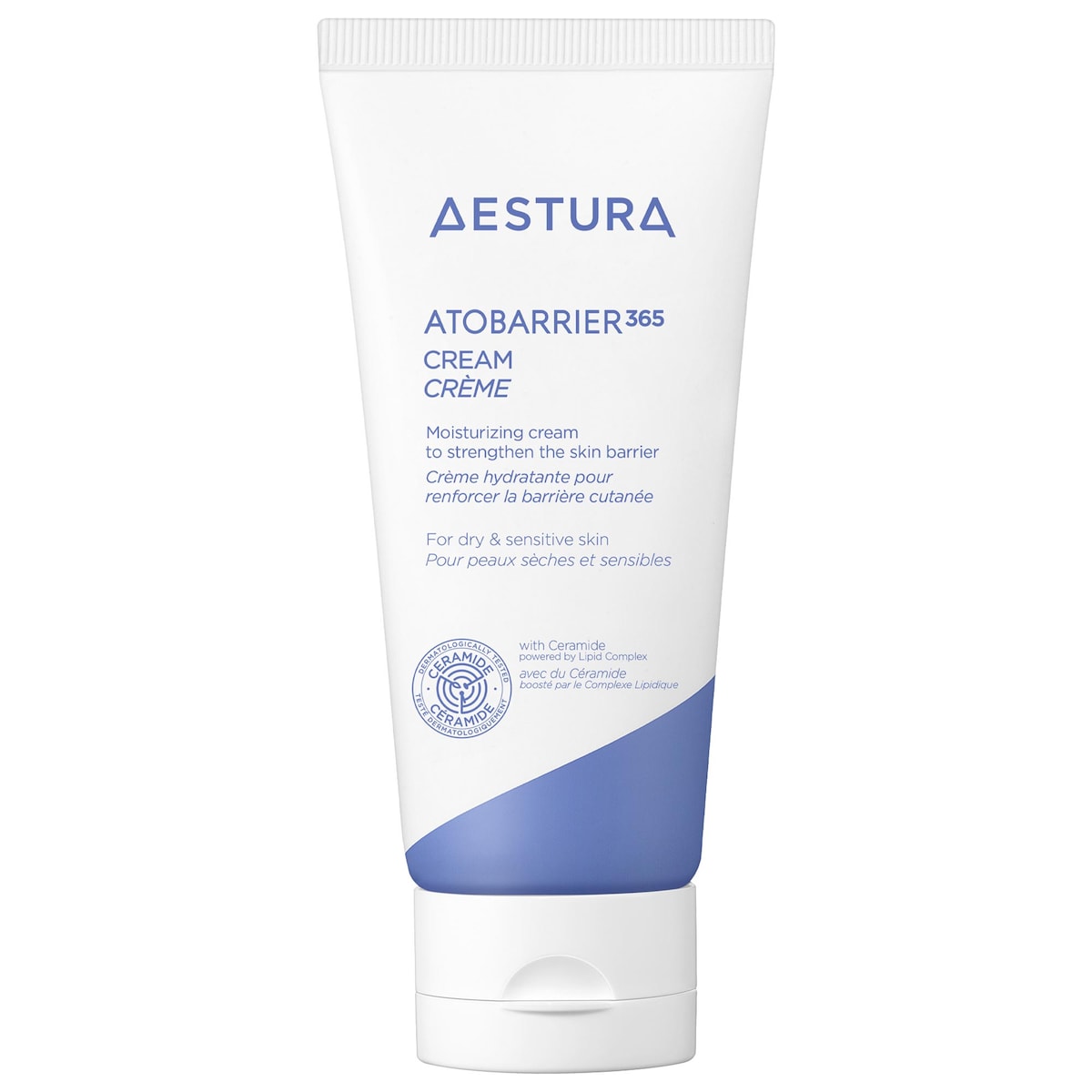
| Moisturize | Barrier-support cream or water cream | Gives the routine a stable center | Testing three creams in one week |
| Protect | Comfortable daily sunscreen | Keeps UV from dragging irritation out | Skipping SPF because everything feels sensitive |
| Optional seal | Balm on dry patches only | Helps cracked-feeling zones overnight | Slugging the whole face if you clog easily |
That table looks simple because it should.
The skin does not need a speech. It needs fewer arguments.
The products I would build the reset around
I would not buy every product here. I would choose by texture and skin type. The goal is not to build a bigger shelf. The goal is to create a routine that stops making the barrier negotiate with every step.
| Image | Reset slot | Product | Best for | Skip if |
|---|---|---|---|---|
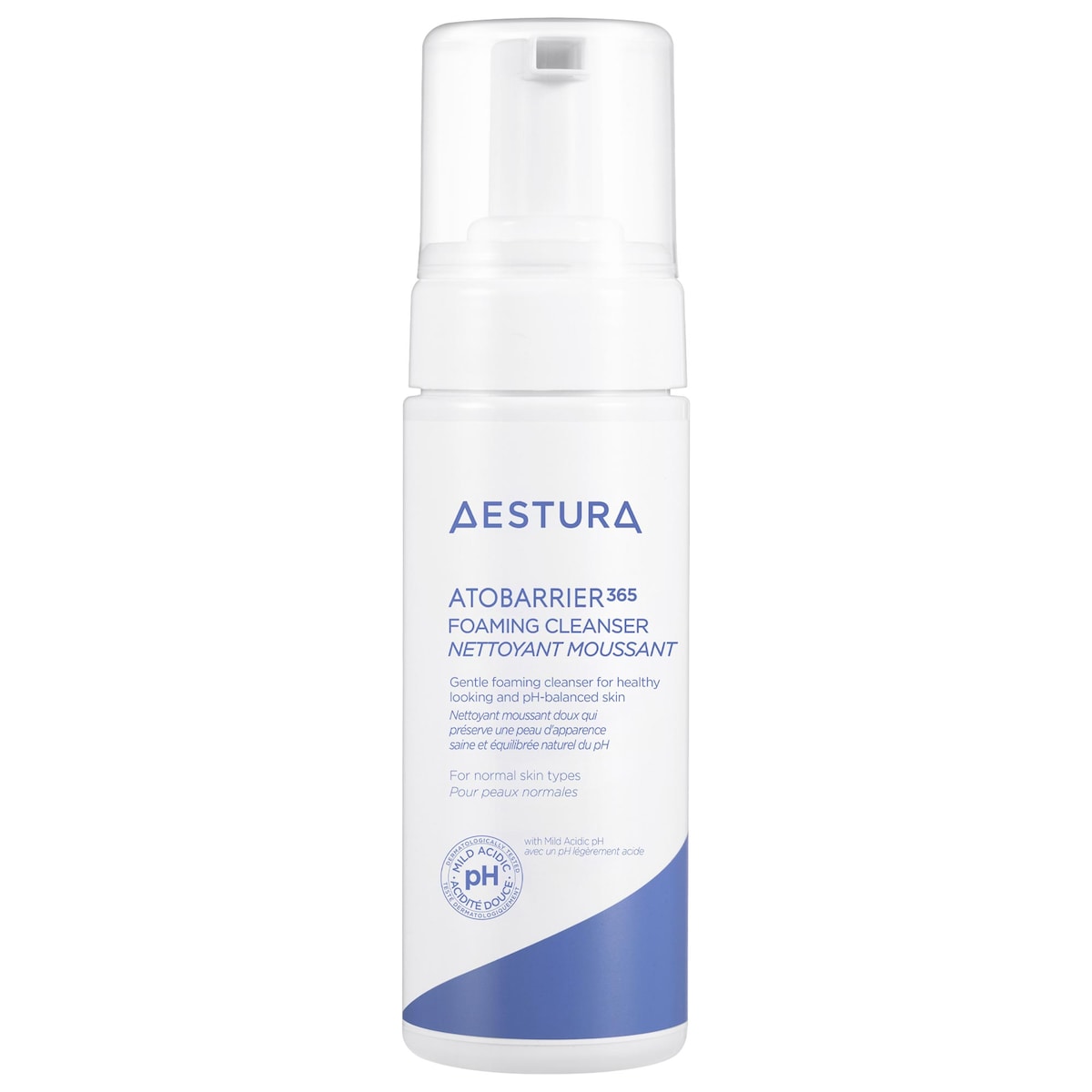
 | Cleanser | AESTURA ATOBARRIER365 Gentle pH-Balancing Foaming Cleanser | Skin that gets tight after washing but still wants a real cleanse | Your skin burns with any cleanser right now |
 | Comfort layer | LANEIGE Cream Skin Milky Toner with Ceramides & Peptides | Tight, papery skin that wants cushion before cream | Milky layers make you clog fast |
 | Hydrating serum | Torriden DIVE IN 5D Hyaluronic Acid Ultra Hydrating Serum | Dehydrated skin that looks flat and feels tight | Humectant serums feel sticky or sting on contact |
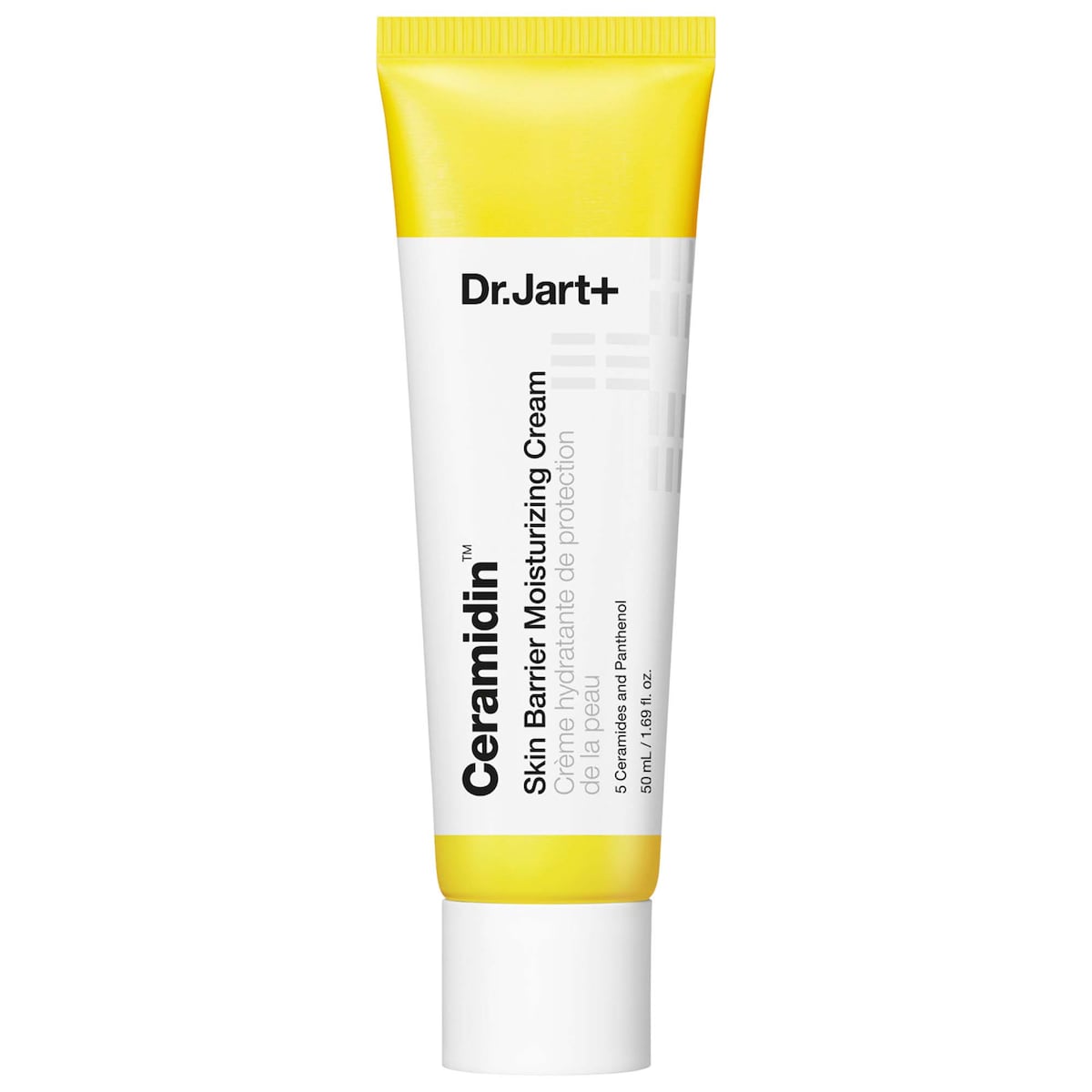
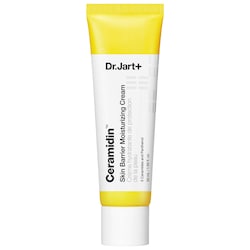 | Rich cream | Dr. Jart+ Ceramidin Skin Barrier Moisturizing Cream | Dry or flaky skin that wants a more cushioned night cream | You need a very lightweight finish |
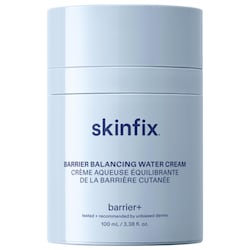 | Lighter cream | Skinfix Barrier Balancing Water Cream Moisturizer with Hyaluronic Acid | Oily, combination, or congestion-prone skin that still needs support | You are so dry that water creams disappear too fast |
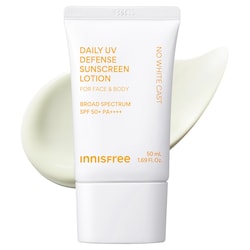 | Sunscreen | innisfree Daily UV Defense Invisible Korean Sunscreen Lotion SPF 50+ PA++++ | Daily wear when heavy sunscreen makes you avoid SPF | Chemical sunscreen stings on your current skin |
This is how I would think about them.
The cleanser keeps the reset from feeling grimy. The toner or serum adds comfort if the skin is asking for water. The moisturizer does the real stabilizing work. Sunscreen keeps the reset from being undone by daylight.
If your face stings with the toner or serum, remove that step.
Do not negotiate.
Step 1: cleanse like you are trying to keep skin, not polish it
This is where I had to change my standards.
For a long time, I thought clean skin had to feel almost bare. No slip. No softness. No residue. That feeling can be satisfying, but when the barrier is already stressed, it can turn the first step into the first injury.
During a reset, I want skin to feel clean and still human.
If you wore sunscreen or makeup, cleanse. If you woke up dry and tight with no heavy product on your face, a lukewarm rinse may be enough in the morning for a few days.
The mistake is using cleanser to chase flakes.
Flakes from over-exfoliation are not a dirt problem. They are not proof that you need more scrubbing. They are often a sign that the surface is irritated and shedding unevenly. If you scrub them off today, you may buy yourself a smoother hour and a worse tomorrow.
I would keep the cleanse short, use lukewarm water, and stop rubbing once the product has done its job.
Step 2: add hydration only if it behaves

Hydration can help a lot.
It can also become one more variable.
That is the part I wish I had respected sooner. When skin is irritated, even gentle products can feel weird for a few days. That does not always mean the product is terrible. It means the skin is in a low-tolerance state.
If a milky toner feels soothing, keep it. If it tingles, gets hot, or leaves the face stickier and angrier, skip it.
I like a comfort layer when the skin feels papery after cleansing. It gives moisturizer something softer to sit over. It also helps me avoid using too much cream because the skin already feels a little cushioned before I seal it.
What I do not want during this phase is an active toner pretending to be a comfort step.
No acid toner. No brightening toner. No "daily resurfacing" pad. No peel-soaked cotton round because the flakes are annoying.
The reset is not there to improve every metric.
It is there to stop the face from acting alarmed.
Step 3: choose moisturizer by what your skin is doing, not what the jar promises
Moisturizer is the center of a barrier reset.
Not serum.
Not a mask.
Not a miracle ampoule.
Moisturizer.
That sounds boring until you realize that a good moisturizer is what lets the rest of the routine stay boring long enough to work.
If your skin is dry, flaky, and uncomfortable, I would choose a richer cream at night. Something like Dr. Jart+ Ceramidin Skin Barrier Moisturizing Cream makes sense when the face needs cushion and you are not trying to put makeup over it five minutes later.
If your skin is oily, combination, or easily clogged, richer does not always mean better. That is where a lighter support cream can be smarter.
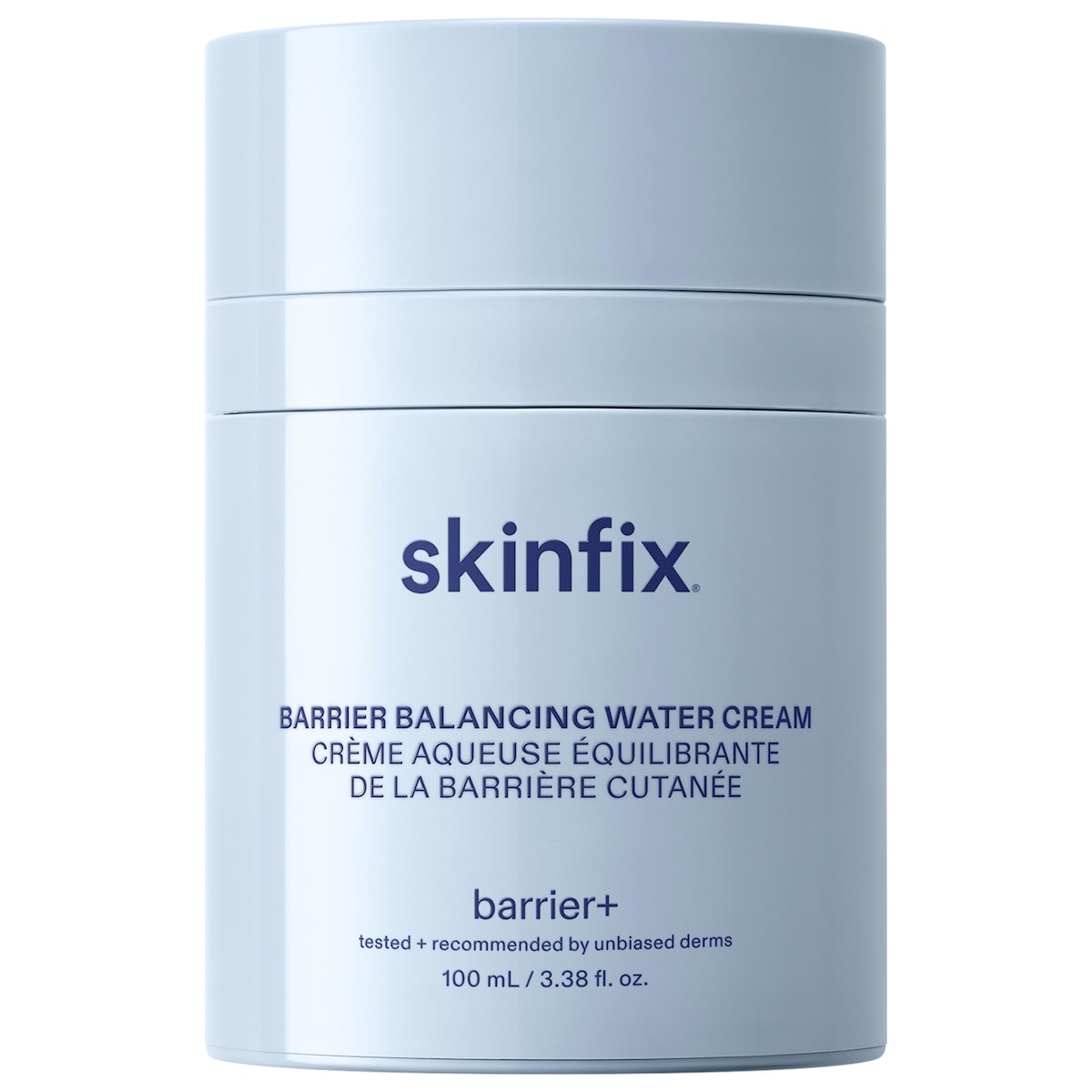
Skinfix Barrier Balancing Water Cream is the kind of lane I would consider when skin needs comfort but heavy cream creates a new problem. The right moisturizer should reduce friction in the routine, not make you choose between irritation and clogged pores.
I would also use less than instinct tells me to use.
When my barrier is angry, I want to put on a thick layer because it feels like protection. Sometimes that helps. Sometimes it traps heat, pills under sunscreen, or makes congestion worse. A normal layer repeated consistently usually beats panic-applying a paste twice a day.
Step 4: protect the reset in the morning
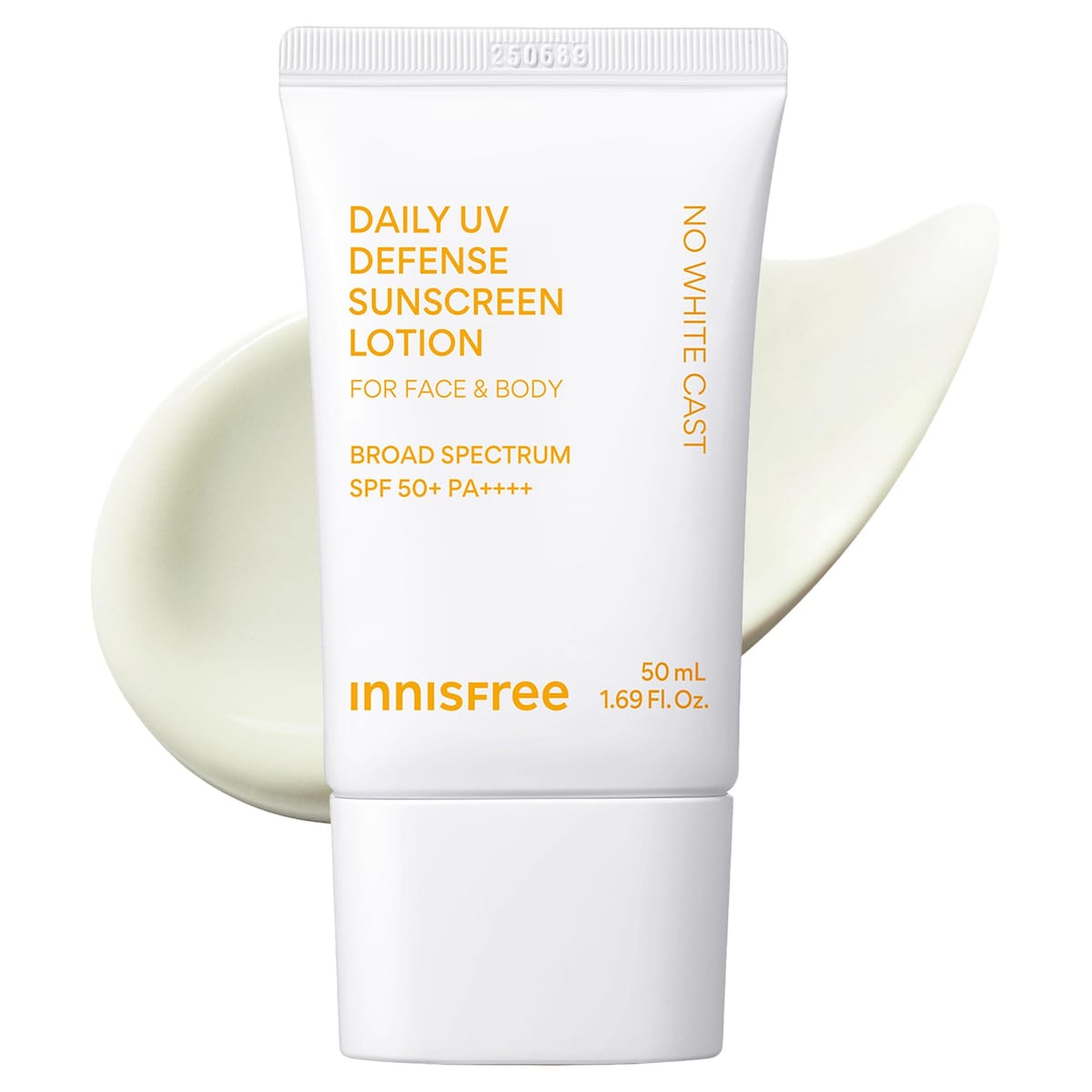
Sunscreen can be frustrating during barrier repair because the same formula that wore beautifully last month may sting this week.
That does not mean sunscreen stops mattering.
It means the routine underneath may need to be quieter, and the sunscreen texture may need to be gentler for the moment.
I keep morning layers thin when my barrier is stressed:
- rinse or gentle cleanse
- hydrating layer only if tolerated
- moisturizer only as much as needed
- sunscreen after the previous layer settles
If sunscreen stings badly, I would not just push through for weeks. I would simplify the layers underneath, try a gentler formula, and consider whether the skin is reacting to a specific sunscreen filter, fragrance, alcohol-heavy texture, or just the fact that the barrier is raw.
If every sunscreen burns, that is a sign to get more careful, not more heroic.
What I stopped immediately
The fastest improvement came from what I removed.
I paused:
- exfoliating acids
- retinoids
- active cleansers
- scrubs
- clay masks
- vitamin C serums that felt sharp
- spot treatments over wide areas
- anything that made my skin feel hot
I also stopped testing.
That was harder than stopping actives.
When your skin looks bad, buying something new feels like action. But if you change cleanser on Monday, toner on Tuesday, moisturizer on Thursday, and sunscreen on Saturday, you no longer have a routine. You have noise.
The skin cannot tell you what helped because you never gave it a stable week.
What I ignored on purpose
I ignored the flakes for a few days.
Not completely. I moisturized them. I protected them. I avoided picking. But I did not treat flakes as a command to exfoliate.
I ignored the dullness too.
Over-exfoliated skin often looks dull because it is irritated and uneven, not because it needs more resurfacing. That difference matters. A brighter active may make sense later. During the reset, dullness is not the main problem.
I also ignored the urge to solve every breakout.
This is tricky because over-exfoliation and breakouts can show up together. If you attack the breakouts with acids while the barrier is still compromised, you may keep the inflammation going. I would rather calm the skin first, then decide what is actually acne, what is irritation, and what is just texture from a stressed surface.
The seven-day reset I would follow
Seven days will not fix every barrier problem.
It can still tell you a lot.
Days 1 and 2: remove the obvious triggers
Use the plain routine. No actives. No scrubs. No masks. No "just one night" retinol. If your skin is very reactive, use cleanser only at night and rinse in the morning.
Your goal is not perfect skin. Your goal is less burning.
Days 3 and 4: keep the routine almost boring
If your skin feels calmer, do not celebrate by adding something.
Stay with the same routine. Watch what changes. Does moisturizer still sting? Does sunscreen feel less hot? Are flakes softer? Is redness less angry by the end of the day?
That information is useful.
Days 5 to 7: decide if the routine needs one adjustment
If the skin is improving but still tight, you may need a better moisturizer or a thinner hydrating layer underneath. If the skin is improving but clogged, your moisturizer may be too heavy for your face. If nothing is improving, the issue may not be simple over-exfoliation.
This is where I would be honest.
A routine can support irritated skin, but it cannot diagnose every rash, allergy, dermatitis flare, or medical condition.
How long I would wait before bringing actives back
I would wait until the skin feels boring again.
Not perfect.
Boring.
That means:
- moisturizer does not sting
- sunscreen does not feel hot
- cleansing does not leave the face tight for an hour
- flakes are improving without scrubbing
- redness is not escalating every night
- the skin feels predictable for several days in a row
Then I would wait a little longer.
The biggest mistake is treating one calm day as permission to restart the entire old routine. That is how people end up in the same cycle again.
Bring back one active category first.
If texture is your main concern, maybe that is a gentle exfoliant once a week. If acne is the priority, maybe it is the acne treatment your skin tolerated best before. If long-term texture or fine lines are the goal, maybe it is a low-friction retinoid night.
One thing.
Then watch.
The reintroduction plan I trust
Here is the plan I would use:
| Week | What to do | What not to do |
|---|---|---|
| Week 1 | Keep the reset stable until skin feels predictable | Add actives because you are bored |
| Week 2 | Reintroduce one active once or twice | Restart the full old schedule |
| Week 3 | Keep frequency low if there is any redness or stinging | Add exfoliation and retinoid in the same week |
| Week 4 | Increase only if the skin stayed calm | Chase fast results after one good week |
I do not love rigid skincare calendars because skin is not a spreadsheet.
But I do like friction.
A plan that makes you wait a little prevents the impatient version of you from undoing the careful version of you.
If your skin is oily and damaged, do not overcorrect
Oily skin can have a damaged barrier.
That is one of the most confusing combinations because the face looks shiny, but it feels tight and irritated underneath. The temptation is to cleanse more, exfoliate more, and use lighter products until the shine disappears.
That usually makes the dehydration worse.
For oily, over-exfoliated skin, I would keep the repair routine lighter rather than harsher:
- gentle cleanser
- hydrating serum only if it does not feel sticky
- lightweight barrier-support moisturizer
- sunscreen that you will actually wear
- acne treatments paused until the heat and stinging settle
If you are oily and dehydrated, oily dehydrated skin skincare routine is the better follow-up after the sting calms down. If your main issue is routine order, I fixed my skincare layering order is the page I would open next.
If your skin is dry and damaged, do not turn comfort into clutter
Dry skin makes you want to add layers.
I get it.
When your face feels tight, every soothing toner, milky serum, essence, cream, balm, and oil starts to look reasonable. But dry, over-exfoliated skin still needs editing.
I would rather use:
- gentle cleanse
- one comfort layer
- one real cream
- optional balm only on the worst patches
That is usually better than five products that all claim to soothe but each bring a different texture, preservative system, botanical blend, or active extra.
Comfort should feel quieter as it builds.
If the routine feels like wet layers stacked under paste, simplify.
When to get help instead of troubleshooting forever
I would not keep experimenting if the reaction is severe.
Get professional help if you have swelling, hives, open cracks, oozing, intense itching, a rash that spreads, eye-area irritation, or burning that does not improve even with a very plain routine.
Also get help if this keeps repeating.
If your skin calms down, you restart one normal product, and the same flare returns again and again, you may be dealing with an allergy, dermatitis, rosacea, eczema, or another issue that deserves a clearer answer than more product swapping.
There is no prize for guessing forever.
The version I would start tonight
If my face felt over-exfoliated tonight, I would do this:
Tonight
- remove sunscreen or makeup gently
- cleanse briefly with lukewarm water
- skip acids, retinoids, vitamin C, and masks
- apply one moisturizer
- add balm only to raw-feeling dry patches if needed
Tomorrow morning
- rinse or cleanse gently
- use one light comfort layer only if it does not sting
- moisturize lightly
- apply sunscreen
- do not test anything new
For the rest of the week
- keep the same products
- do not chase flakes
- do not treat dullness yet
- do not restart actives because the skin looks better for twelve hours
- track what actually changes
That last piece is where Glass helps me think more clearly. When the routine is logged, it is easier to see whether the skin improved because I stopped exfoliating, changed moisturizer, slept better, wore sunscreen consistently, or simply gave my face a quieter week.
The reset is not glamorous.
It is not supposed to be.
Over-exfoliated skin does not need a more impressive routine. It needs a routine that stops interrupting recovery long enough for the face to feel normal again.
Once my skin gets back to normal, I can work on glow.
First, I want calm.