Sensitive skin gets loud at night.
Not always visibly.
Sometimes it just stings.
Sometimes moisturizer burns for ten seconds and then you pretend that is normal. Sometimes your cheeks look fine in the mirror, but your face feels hot after cleansing. Sometimes the routine that used to work suddenly feels like too much.
That is when I stop trying to make the routine more impressive.
I make it quieter.
A good night skincare routine for sensitive skin is not a long shelf of calming products. It is a small system that removes the day, gives the barrier a chance to recover, and avoids turning every evening into another tolerance test.
The goal is not to wake up transformed. The goal is to wake up less irritated, less tight, less confused, and more able to tell what your skin is actually asking for.
Quick answer
If your skin is sensitive at night, I would build the routine like this:
- Remove makeup or sunscreen only as much as needed.
- Cleanse with lukewarm water and a gentle cleanser that does not leave your face squeaky.
- Skip exfoliating acids, strong retinoids, fragrance-heavy products, and extra masks while the skin feels reactive.
- Use one barrier-supporting moisturizer with ingredients like ceramides, panthenol, glycerin, centella, colloidal oatmeal, or niacinamide if you tolerate it.
- Add an occlusive balm only on dry, cracked, or easily irritated areas.
- Reintroduce actives slowly, one at a time, after two to four calm weeks.
That is the whole move.
Not glamorous. Very useful.
The routine I would use tonight
When sensitive skin is acting up, I do not want a routine that makes me negotiate with ten bottles. I want a repeatable sequence that feels hard to mess up.
| Step | What I would use | Why it helps sensitive skin |
|---|---|---|
| Makeup or SPF removal | Micellar water, cleansing balm, or oil cleanser used gently | Removes the stubborn layer without forcing the cleanser to do too much |
| Cleanser | Cream, milk, gel, or very gentle foam cleanser | Cleans without chasing that tight "stripped clean" feeling |
| Calming layer, optional | Hydrating serum, milky essence, or redness serum | Helps if the moisturizer alone does not give enough comfort |
| Moisturizer | Barrier cream, gel cream, or lotion with supportive lipids | Replaces comfort and reduces the need to keep adding random steps |
| Occlusive spot layer, optional | Petrolatum-style balm or barrier balm on dry patches | Seals vulnerable areas without making the whole face heavy |
The important word is optional.
Sensitive skin routines get worse when every helpful thing becomes mandatory. A hydrating serum can help. A calming mist can help. A sleeping mask can help. But if your skin is already stinging, the first job is reducing variables, not proving how many soothing ingredients you can stack.
The part most people get wrong
People often treat sensitive skin like it needs more pampering.
I think it usually needs fewer decisions.
The skin is already telling you that its tolerance is low. If you keep adding products because each one says "calming," you may still end up with too many preservatives, too many plant extracts, too much fragrance, too many textures, and too many chances for one ingredient to annoy your face.
The routine can look gentle on paper and still feel chaotic on skin.
That is why my first filter is not whether a product uses soft language. My first filter is whether the product makes the routine easier to repeat.
If a cleanser leaves your skin calm, it is doing enough. If a moisturizer lets you go to bed without tightness, it is doing enough. If a serum makes your skin look dewy but sting every other night, it is not earning its spot.
Sensitive and sensitized are not always the same thing
This distinction saves a lot of wasted money.
Some people have skin that has always been reactive. It flushes easily. It dislikes fragrance. It gets itchy or hot with weather changes. It has a long memory for products that annoyed it.
Other people have sensitized skin. That means the skin has become reactive because the routine pushed it too hard. Too much exfoliation. Too much retinoid too fast. Cleansing too aggressively. Layering vitamin C, acids, acne treatments, and brightening serums until the barrier stops cooperating.
The routine looks different depending on which one you are dealing with.
If your skin is naturally sensitive, you build a careful routine for the long term. If your skin is sensitized, you may need a repair phase before you judge any ingredient fairly.
The annoying part is that both can feel similar: burning, tightness, redness, itching, dry patches, makeup sitting badly, moisturizer suddenly stinging, and that weird shiny-but-dehydrated look.
So I use the same first move for both: simplify.
Cleansing should feel boring
Night cleansing matters because sunscreen, makeup, sweat, pollution, and the day itself need to come off. But sensitive skin does not need cleansing to feel dramatic.
Lukewarm water matters more than people want to admit. Hot water can make redness and tightness worse, especially when the barrier is already irritated. I also avoid scrubbing with washcloths when my skin is reactive. Even if the cleanser is gentle, rough friction can turn the step into a problem.
If you wore sunscreen or makeup, a first cleanse can make sense. A balm, oil cleanser, or micellar water can break down the layer before your regular cleanser. The mistake is turning double cleansing into double stripping.
Your second cleanse should not leave your face tight five minutes later.
Tight is not clean. Tight is feedback.
Product lanes I would actually consider
I would not buy everything in this table.
That would miss the point.
I would choose one cleanser lane and one moisturizer lane, then leave the routine alone long enough to see whether the skin settles.
| Product | Image | Best night routine role | Who should consider it | Who should skip it |
|---|---|---|---|---|
| AESTURA ATOBARRIER365 Gentle pH-Balancing Foaming Cleanser |  | Gentle second cleanse | Dry, combination, or sensitive-leaning skin that wants a soft wash | Anyone who knows foam textures make them feel tight |
| Dr. Jart+ Cicapair Gentle Foam Cleanser for Sensitive Skin |  | Redness-aware cleanse | Sensitive skin that still likes a foaming cleanser | Skin that reacts badly to most foams |
| Tower 28 SOS Daily Skin Barrier Redness Recovery Moisturizer | 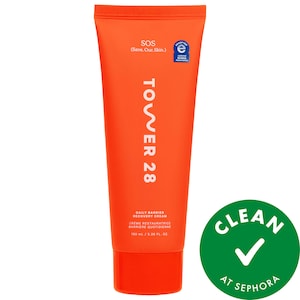 | Easy barrier moisturizer | Redness-prone skin that wants a straightforward nightly cream | Very dry skin that needs a heavier seal |
| AESTURA A-CICA365 Soothing Repair Gel Cream Moisturizer | 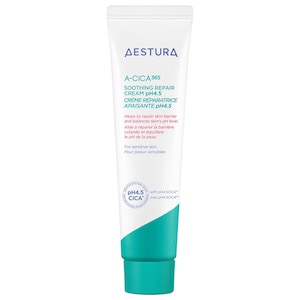 | Lightweight redness support | Oily or combination sensitive skin that hates rich cream | Cracked, flaky skin that needs more cushion |
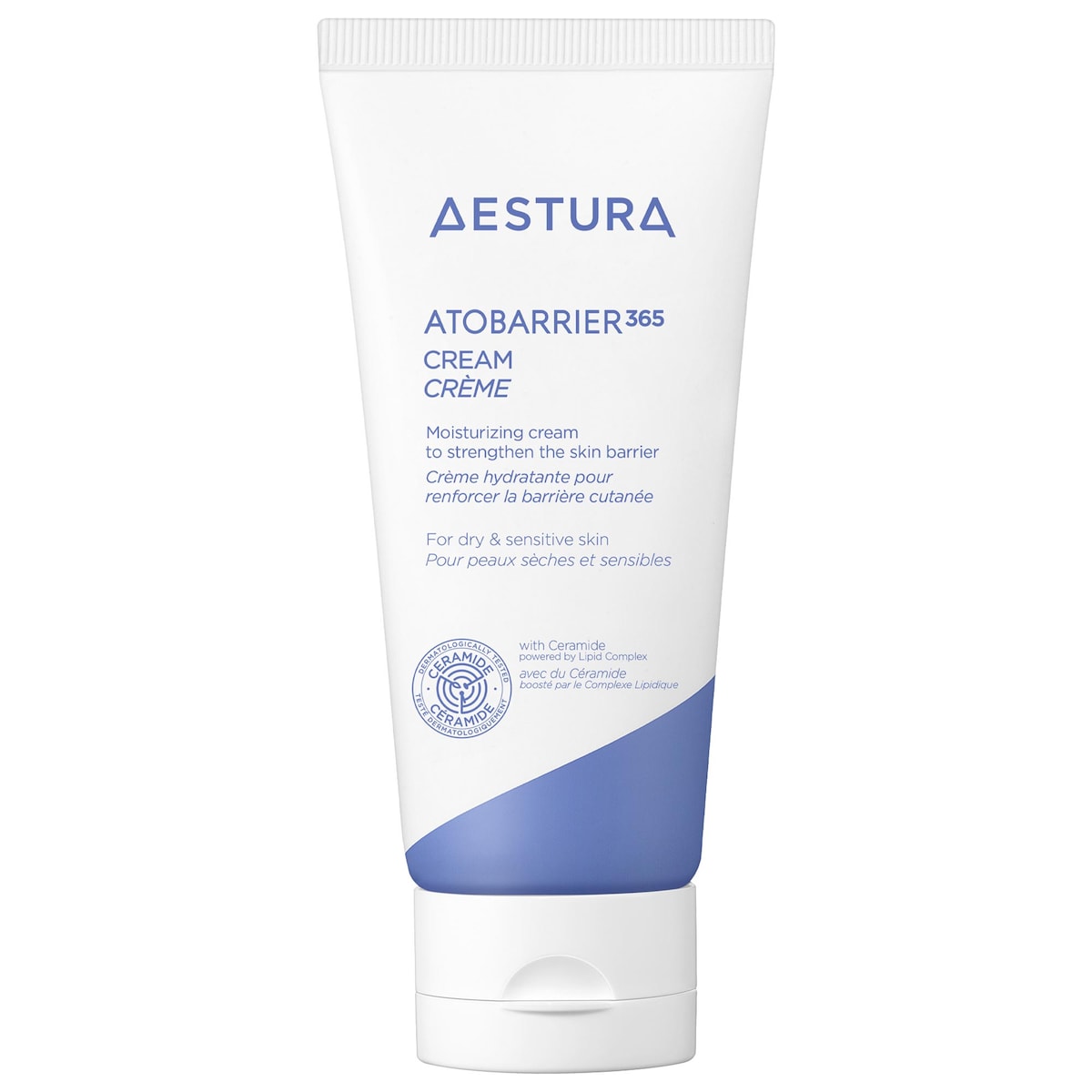
| AESTURA ATOBARRIER365 Cream Moisturizer | 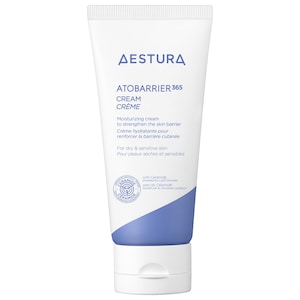 | Barrier repair cream | Dry, tight, or over-cleansed sensitive skin | Oily skin that breaks out from richer creams |
| Topicals Like Butter Moisturizer | 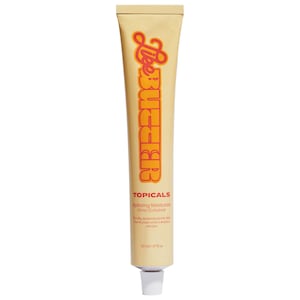 | Dry sensitive comfort | Dry, irritated, eczema-prone-feeling skin that needs softness | Anyone who wants the lightest possible finish |
| Experiment Buffer Jelly Facial Oil-Gel | 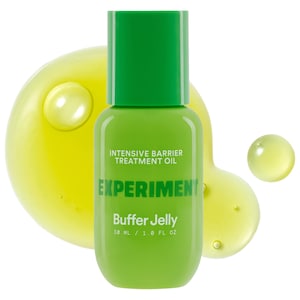 | Final barrier seal | Dry patches, windburned areas, or recovery nights | Acne-prone skin that dislikes occlusive finishes all over |
The product category matters more than the brand name.
One gentle cleanser. One moisturizer. Maybe one optional recovery layer.
That is enough to run a real experiment.
If your moisturizer burns, pause the routine
This is the signal I take seriously.
If almost every product burns, including the boring moisturizer, I do not keep hunting for the magical serum that will fix everything by Friday. I assume the skin is irritated enough that it needs a reset.
My reset looks like this for a week:
- gentle cleanse at night only, unless morning cleansing is truly needed
- moisturizer while the skin is still slightly damp
- balm on the corners of the nose, mouth, or any cracked areas
- sunscreen during the day
- no exfoliating acids
- no retinoid
- no vitamin C
- no scrubs
- no new masks
- no fragrance-heavy "treat yourself" products
That week can feel boring if you are used to doing a lot.
But boring is useful because it gives you clean information. If the skin feels calmer, the old routine was probably too much. If the skin does not calm down, that is a reason to stop guessing and consider professional help, especially if you have swelling, rash-like patches, painful burning, oozing, severe acne, or symptoms around the eyes.
How I would handle retinol with sensitive skin
I would not start retinol while my skin is actively irritated.
That is the first rule.
Retinoids can be useful. They can also be the thing that turns a decent sensitive-skin routine into three weeks of flaking and regret if you introduce them badly.
When the skin is calm, I would start with one night a week. Not every other night. Not "I will push through purging." One night. A pea-sized amount. Moisturizer nearby. No exfoliating acid that same night.
If that goes well for a few weeks, move to two nights. If the skin starts burning, peeling, or feeling raw, reduce frequency before replacing your entire routine.
The sandwich method can help some people: moisturizer first, retinoid, then moisturizer again. I do not treat it like a law, but I do like it for people who keep getting irritation from applying retinoid directly to bare skin.
And I keep retinoid away from the most reactive areas unless a clinician says otherwise: eyelids, corners of the mouth, nostril folds, and anywhere already cracked.
How I would handle exfoliation
Sensitive skin can exfoliate.
It just cannot be bullied.
If your skin is calm and you want smoother texture, I would start with the lowest-friction option and use it rarely. Once a week is enough for a test. I would not exfoliate on the same night as retinoid. I would not use a scrub while my skin is already red. I would not use a peel because I am impatient.
The mistake is using exfoliation to solve every feeling:
- dullness
- bumps
- clogged pores
- flaking
- roughness
- uneven tone
- "my skin just looks tired"
Sometimes exfoliation helps. Sometimes the skin is flaking because it is irritated, and exfoliating the flakes only makes the cycle worse.
If the flakes come with stinging, heat, redness, or tightness, I treat that as a barrier problem first.
The four sensitive-skin night routines I trust
Sensitive skin is not one thing. The routine changes depending on what is actually happening.
Sensitive and dry
This routine should feel cushioned, not complicated.
Night:
- Remove sunscreen or makeup gently.
- Cleanse with a non-stripping cleanser.
- Apply a barrier cream while the skin is slightly damp.
- Add balm only on dry patches.
I would skip watery layers if they sting. I would also avoid chasing a glassy finish with too many humectants if the skin actually needs a richer seal.
Sensitive and oily
This routine needs balance.
Night:
- Cleanse gently, but do not over-cleanse.
- Use a lightweight gel cream or lotion.
- Treat breakouts separately only when the skin is calm.
Oily sensitive skin can tempt you into harsh cleansers because shine looks like dirt. It is not dirt. It is oil. If you strip it too hard, you can end up oily and irritated at the same time, which is harder to fix.
Sensitive and acne-prone
This is where restraint matters most.
Night:
- Gentle cleanse.
- One acne treatment lane, only if tolerated.
- Moisturizer every night.
- Spot treatment only where needed.
I would not use an acne cleanser, salicylic acid serum, benzoyl peroxide, retinoid, and exfoliating toner in the same week unless a dermatologist built that plan. Sensitive acne-prone skin often improves when the acne treatment becomes more consistent and the rest of the routine becomes less aggressive.
If the breakout side is your main issue, night skincare routine for acne-prone skin is the better next read.
Sensitive after overdoing actives
This routine is a repair phase.
Night:
- Cleanse only if needed.
- Moisturize.
- Seal the most irritated areas.
- Wait.
I know "wait" is annoying advice. It is also the part that works.
You cannot always buy your way out of overuse. Sometimes the skin needs fewer instructions for a while.
What I would stop doing first
If your sensitive night routine keeps failing, I would remove friction before buying anything else.
- Stop washing with hot water.
- Stop using a cleanser that leaves your skin tight.
- Stop adding a new soothing product every time your skin reacts.
- Stop exfoliating flakes that are caused by irritation.
- Stop using retinoid and exfoliating acid on the same night.
- Stop applying strong treatments near the eyes and mouth corners.
- Stop assuming "natural" means gentle.
- Stop treating fragrance as harmless if your skin keeps reacting.
That last one matters.
Plenty of lovely products smell beautiful. Sensitive skin does not care. If fragrance is a trigger for you, the prettiest product in the room can still be the wrong one.
The ingredient short list
I do not memorize every ingredient when my skin is irritated. I look for a few practical categories.
Barrier support:
- ceramides
- cholesterol
- fatty acids
- squalane
- petrolatum or occlusive balms for small areas
Hydration support:
- glycerin
- hyaluronic acid
- panthenol
- beta-glucan
Calming support:
- colloidal oatmeal
- centella asiatica
- allantoin
- green tea
- niacinamide, if your skin tolerates it
What I avoid during a reactive phase:
- strong fragrance
- essential oils
- high-frequency exfoliating acids
- scrubs
- strong retinoids
- drying acne spot treatments used across the whole face
- too many single-ingredient serums layered together
The key is not finding every "good" ingredient. It is choosing a formula your skin can tolerate repeatedly.
How long I would give the routine
For irritation, I look for small signs within a week.
Less burning. Less tightness. Less heat after washing. Moisturizer feeling normal again. Makeup or sunscreen sitting better. Fewer moments where the skin feels like it is arguing with everything.
For texture, redness, and breakouts, I give it longer. Four to six weeks is a more honest window for patterns, assuming nothing is getting worse.
I would track:
| Signal | What to notice |
|---|---|
| Burning | Does moisturizer still sting, or is that calming down? |
| Tightness | Does the skin feel pulled after cleansing? |
| Redness | Is flushing shorter, less intense, or unchanged? |
| Breakouts | Are they new, deeper, itchier, or just the same old pattern? |
| Dry patches | Are they healing or spreading? |
| Product changes | Did you introduce anything new in the last two weeks? |
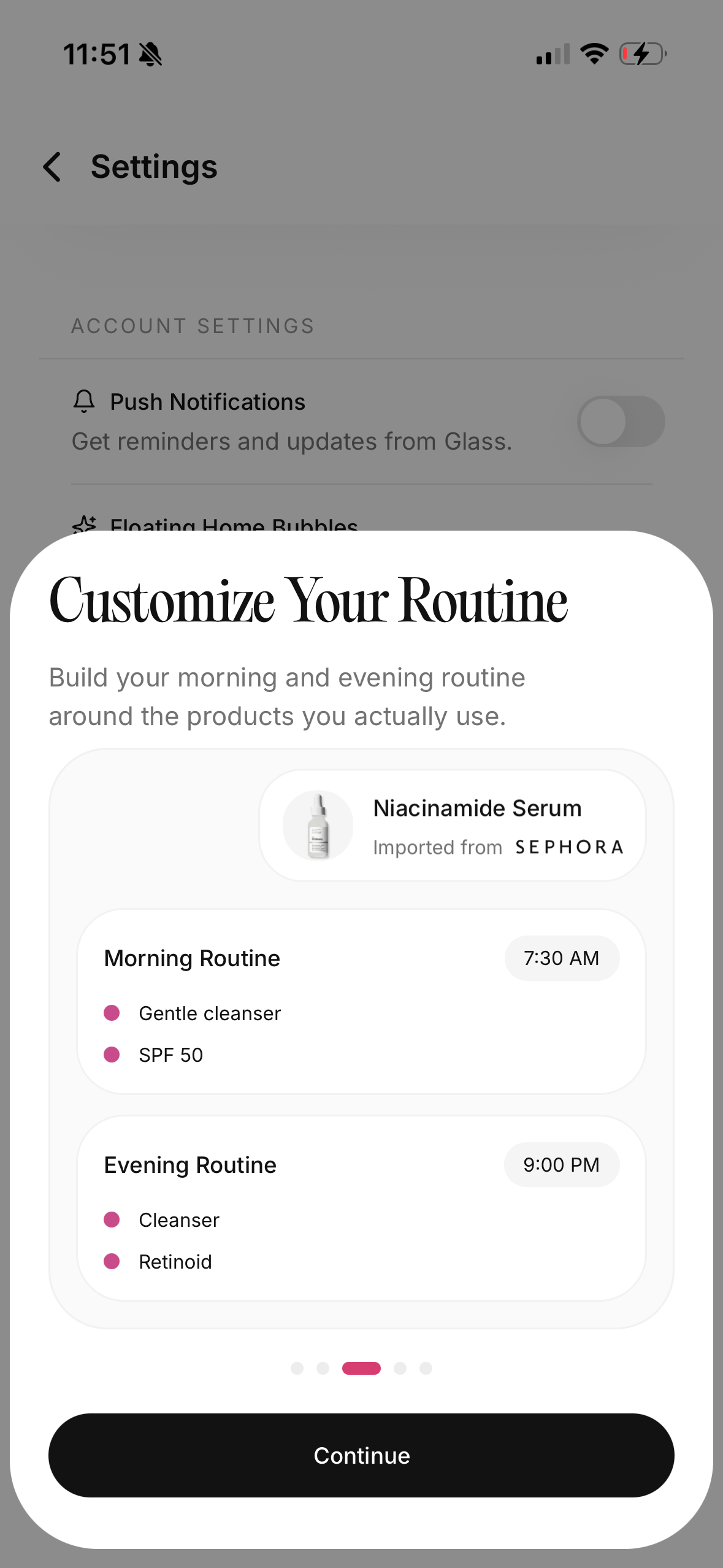
This is where Glass helps because sensitive skin is hard to read from memory. A routine can feel random until you see the pattern: the night you used an acid, the morning you woke up tight, the week you changed cleanser, the days redness flared after poor sleep or weather changes.
The goal is not to obsess. It is to stop guessing.
When I would get help instead of troubleshooting forever
Some skin problems are not routine-design problems.
I would consider a dermatologist or qualified clinician if sensitivity is sudden, painful, persistent, spreading, or paired with swelling, cracking, bleeding, rash-like patches, eye-area irritation, severe acne, or symptoms that keep coming back no matter how simple the routine gets.
I would also get help if every moisturizer burns for weeks.
At that point, the issue may need more than a product swap. It could be dermatitis, eczema, rosacea, allergy, acne treatment irritation, or something else that deserves a real diagnosis.
There is no prize for suffering through the wrong routine.
The version I would keep
If my skin were sensitive tonight, I would keep the routine almost boring:
Cleanse gently.
Moisturize well.
Protect the vulnerable spots.
Leave actives out until the skin feels trustworthy again.
That is not a step backward. It is how you rebuild signal.
Once the skin is calm, you can make the routine more specific. Add retinoid carefully if texture or acne needs it. Add a mild exfoliant if dullness or buildup is truly the issue. Add a brightening step only when daily sunscreen is already stable.
But I would earn each step.
Sensitive skin does not need a perfect routine. It needs a routine that stops provoking it long enough to recover.
FAQ
What is the best night skincare routine for sensitive skin?
The best night skincare routine for sensitive skin is usually a gentle cleanse, a barrier-supporting moisturizer, and no unnecessary actives while the skin feels reactive. Add treatments only after the skin is calm and only one at a time.
Should sensitive skin double cleanse at night?
Double cleansing can help if you wear sunscreen or makeup, but it should not feel stripping. Use a gentle first cleanse, follow with a mild cleanser, and stop if your skin feels tight or hot afterward.
Can sensitive skin use retinol?
Some sensitive skin can use retinol, but it should start slowly and only when the skin is not actively irritated. One night a week is a better first test than jumping into frequent use.
What should I do if moisturizer burns?
If moisturizer burns, simplify the routine. Stop exfoliants, retinoids, scrubs, and new products for a short reset period. Use a gentle cleanser, a bland moisturizer, sunscreen during the day, and consider professional help if burning persists.
Is a night cream necessary for sensitive skin?
Not always. You need a moisturizer that your skin tolerates at night. It can be a cream, lotion, gel cream, or balm-assisted routine depending on dryness, oiliness, and irritation.
How do I know if my routine is too much?
Your routine may be too much if your skin feels tight after cleansing, moisturizer stings, redness lasts longer, flakes keep coming back, or you cannot tell which product is helping because you keep changing several steps at once.