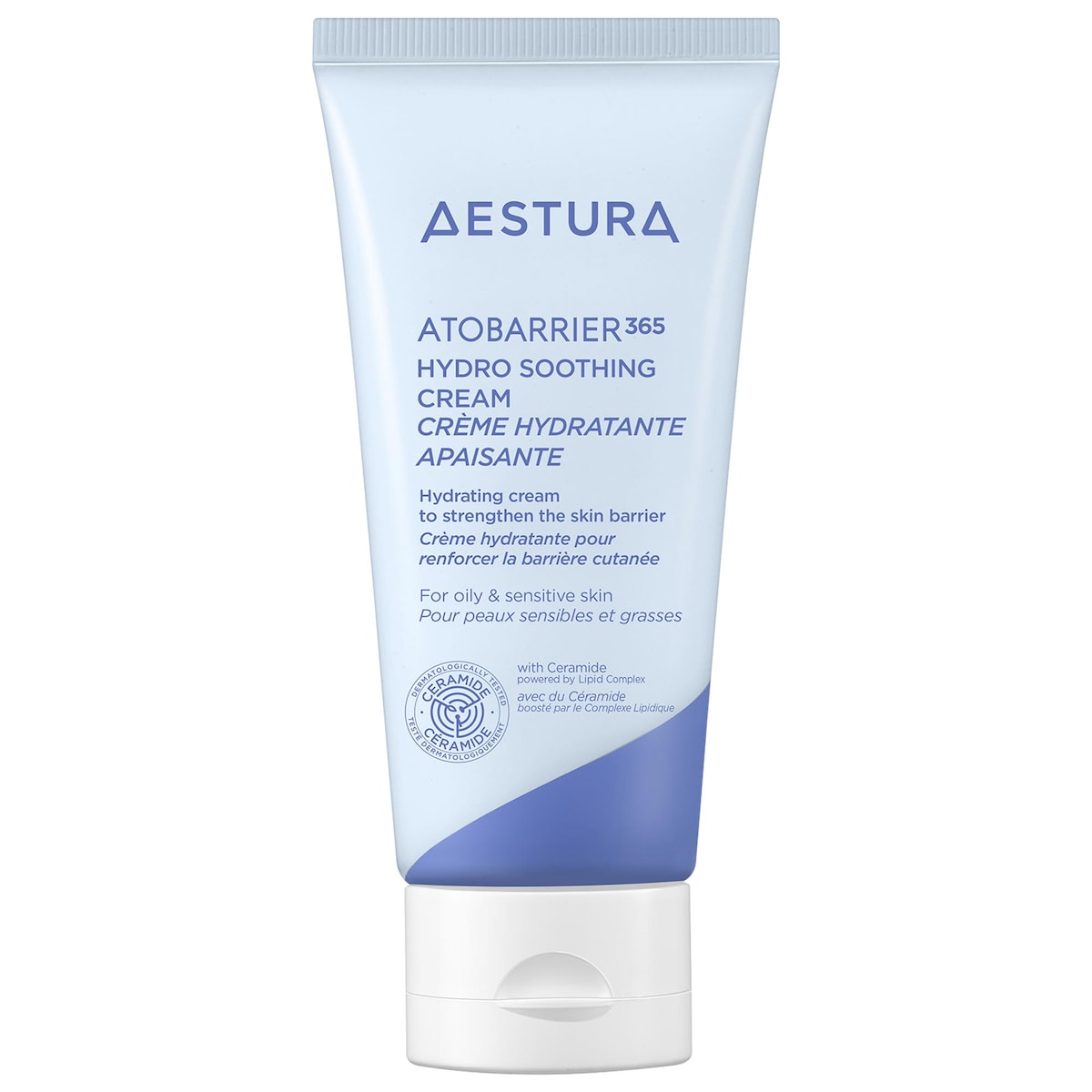
AESTURA ATOBARRIER365 Cooling Hydro Soothing Water Cream is interesting because it is not trying to be a heavy rescue cream.
It is a water cream for the person who wants barrier support, ceramides, hyaluronic acid, and a cooler-feeling finish without turning the face shiny by lunch. That is a useful lane in May 2026, especially for oily, combination, and sensitive skin routines that still need real moisture.
The short version: I would look at this if your skin gets red, tight, or dehydrated, but richer barrier creams feel like too much. I would not buy it expecting the cushion of a balm or the matte grip of a dedicated oil-control moisturizer.
Glass has the product page here: AESTURA ATOBARRIER365 Cooling Hydro Soothing Water Cream.
Quick Verdict
AESTURA ATOBARRIER365 Cooling Hydro Soothing Water Cream makes the most sense for normal, combination, and oily skin that wants a lighter moisturizer with a barrier-support angle. The formula direction is clear: glycerin, butylene glycol, dimethicone, squalane, betaine, ceramide NP, cholesterol, beta-glucan, sphingolipids, and sodium hyaluronate all point toward hydration, comfort, and moisture retention.
The strongest use case is not "my skin is dry and cracked." It is "my skin feels annoyed, red, tight, or thirsty, but I cannot tolerate a heavy cream every day."
That distinction matters. A water cream should not be judged like an ointment. It should be judged by whether it gives the face enough comfort while still staying easy under sunscreen and wearable in warmer weather.
What It Is
This is a lightweight water cream positioned around fast, cooling hydration and moisture barrier support. The product is built for normal, combination, and oily skin, with dryness, redness, and oiliness as the practical concerns.
That combination tells me the product is trying to sit between two moisturizer worlds:
- Lighter than a classic barrier cream
- More supportive than a plain gel hydrator
- More comfortable than a matte oil-control step
- Easier to repeat than a rich night cream
That is exactly where many real routines get stuck. People want barrier repair, but the word "repair" often sends them toward thick creams that do not fit oily or combination skin. This AESTURA water cream gives that shopper a more wearable option.
Best For
I would put this on the shortlist for:
- Oily skin that still feels dehydrated
- Combination skin with dry cheeks and a shinier T-zone
- Redness-prone skin that dislikes harsh finishes
- Skin that feels tight after cleansing
- Retinoid users who need a lighter recovery moisturizer
- People who want ceramides without a heavy cream feel
- Warm-weather routines where rich creams feel suffocating
It is also a sensible bridge product. If you know your skin needs more than a watery serum but less than a rich cream, this is the kind of texture lane that can keep a routine from getting too heavy.
Who Should Skip It
Skip it if your skin is very dry, flaky, cracked, or windburned and you already know water creams disappear too quickly on you. In that case, a richer cream or a separate occlusive layer may make more sense at night.
I would also skip it if you want a dedicated acne treatment. This is a moisturizer. It may fit acne-prone routines because it is lighter and listed as non-comedogenic in the product data, but it is not the same thing as a salicylic acid treatment or a prescription acne plan.
If your main complaint is shine, not tightness or redness, compare it against a more oil-control-focused gel cream before buying. I would use our Sephora oil-free gel moisturizer guide for that branch.
Texture Lane
The phrase "water cream" matters. It sets the expectation for a lighter, faster-feeling moisturizer. This does not mean it is only water, and it does not mean it cannot support the barrier. It means the product is trying to feel fresher and less coated than a classic cream.
That makes it useful under sunscreen. Morning moisturizers have to pass a different test than night moisturizers. They cannot pill easily, make SPF slide, or leave the face so cushioned that makeup sits on top instead of settling.
I would expect this to be strongest as a morning or twice-daily moisturizer for people who hate the feeling of rich creams. At night, it can still work, but very dry skin may need something richer over it or in rotation.
Ingredient Read
The formula has a practical hydration-and-barrier shape.
Glycerin and butylene glycol are humectants, which means they help the routine hold water. Betaine can add comfort to that hydration story. Sodium hyaluronate is the hyaluronic-acid ingredient here, and it fits the water-cream idea because it supports a plumper, less tight feel.
Then there is the barrier side: dimethicone, squalane, hydrogenated rice bran oil, hydrogenated lecithin, ceramide NP, cholesterol, sphingolipids, and fatty-acid ingredients. That mix matters because hydration alone is not always enough. If the skin cannot hold on to water, it can still feel tight after a light moisturizer.
This is why I like the concept. It does not rely on one trendy ingredient. It has water-binding ingredients and barrier-adjacent lipids in the same product.
Why Ceramides Matter Here
Ceramides are useful because they belong to the skin-barrier conversation. When skin feels tight, reactive, or easily flushed, the routine often needs fewer irritating steps and more support.
That does not mean a ceramide product fixes everything by itself. It means the moisturizer is pointed in a sensible direction. In this formula, ceramide NP appears with cholesterol and sphingolipids, which makes the barrier story feel more complete than a product that only adds one isolated buzzword.
I would still keep the routine simple while judging it. If you add this cream at the same time as a new exfoliant and a new serum, you will not know what changed.
Why Hyaluronic Acid Fits The Water-Cream Lane
Hyaluronic acid is useful when the skin feels thirsty rather than deeply dry. It is the kind of ingredient that makes sense in a light moisturizer because the goal is hydration without weight.
The key is sealing that hydration. A hyaluronic-acid serum alone can feel nice for ten minutes and then leave skin feeling the same later. A water cream with humectants, silicones, squalane, and barrier lipids is more complete because it is trying to bring water in and keep the finish comfortable.
If you are deciding whether your routine needs hyaluronic acid or niacinamide first, our niacinamide vs hyaluronic acid guide is a cleaner next step.
Morning Routine Fit
This is where I think the product has its clearest role.
Use it after any watery toner or serum, then follow with sunscreen. If your sunscreen is already moisturizing, use less cream. If your sunscreen is drying, this can act as the comfort layer that keeps SPF from making the face feel tight.
A simple morning routine could look like this:
- Gentle cleanse or rinse
- Hydrating serum if you already use one
- AESTURA ATOBARRIER365 Cooling Hydro Water Cream
- Sunscreen
That is enough. The moisturizer should make sunscreen easier to wear, not turn the morning into a slippery stack.
Night Routine Fit
At night, I would use it when the skin needs recovery but not a thick final layer. That could mean after a retinoid, after a gentle hydrating serum, or on nights when you are skipping actives because your skin feels hot or reactive.
If your skin is dry, use it as the first moisturizer and add a richer cream only on dry patches. You do not have to make the whole face wear the heaviest product just because your cheeks need more help.
That is one of my favorite rules for combination skin: treat zones differently. The forehead, nose, cheeks, and mouth area do not always need the same amount of moisturizer.
Oily And Combination Skin Fit
Oily skin needs moisturizer, but it usually needs the right texture more than it needs another drying step.
This AESTURA cream makes sense when the skin gets shiny but also feels tight. That tight-shiny combination is common when a routine is too stripping. People then buy mattifying products, which can make the cycle worse. A lighter barrier-support moisturizer can be a smarter move because it gives the skin comfort without pushing the routine into a greasy finish.
For combination skin, I would apply it lightly through the center of the face and add a bit more to the cheeks. If the T-zone does not need much, do not force it.
For more finish-focused help, how to get glass skin without looking greasy is the better companion article.
Sensitive Skin Fit
Sensitive skin does not need a dramatic routine. It needs consistency, fewer surprises, and textures that do not make the face feel trapped.
This product's best sensitive-skin argument is that it is built around hydration and barrier comfort instead of a strong exfoliating or brightening angle. That is the right direction when redness and tightness are the main issues.
Still, sensitive skin can react to almost anything. I would patch test near the jaw for a few nights before using it all over the face. If the skin stings, burns, or gets bumpier, stop and simplify.
How I Would Add It
I would add it in a boring week.
No new cleanser. No new exfoliant. No new retinoid strength. No new sunscreen at the same time.
For seven days, keep the routine steady and let this be the only new variable. Watch for four things:
- Less tightness after cleansing
- Less red-looking skin by midday
- Better comfort under sunscreen
- No new clogging pattern
That is a better test than judging it after one perfect application.
Value
At the current catalog price of $32, this is not a casual drugstore moisturizer, but it is also not priced like a luxury cream. The value depends on whether you need this exact lane.
If you want a light barrier moisturizer for daily use, the value is strong because the product is easy to fit into both morning and night. If you only use water creams once in a while, a cheaper gel moisturizer may be more practical.
The value is weakest for very dry skin that will still need another cream every night. In that case, buy the richer product first.
The Main Buying Mistake
The main mistake is expecting this to be both weightless and deeply occlusive.
Those are different jobs. A water cream can hydrate, comfort, and support the barrier, but it will not behave like a balm. If your skin needs a heavier seal, respect that. If your skin hates heavier seals, this is where a product like AESTURA becomes more interesting.
The cleaner question is not "is it strong enough?" The cleaner question is "does my routine need lighter barrier support or heavier barrier support?"
Bottom Line
AESTURA ATOBARRIER365 Cooling Hydro Soothing Water Cream is a strong May 2026 option for oily, combination, normal, red, or dehydrated skin that wants barrier support without a heavy cream finish. The formula has a clear hydration story and a sensible barrier-support story, with ceramide NP, cholesterol, sphingolipids, sodium hyaluronate, squalane, beta-glucan, and humectants all pointing in the same direction.
Buy it if your skin needs comfort but hates weight. Skip it if your skin needs a richer seal or a treatment moisturizer.
For routine planning, I would pair this with how to build a skincare routine you will actually follow and keep the rest of the stack boring while you learn how your skin responds.
FAQ
Is AESTURA ATOBARRIER365 Cooling Hydro Water Cream good for oily skin?
It can be a good fit for oily skin that still feels dehydrated, red, or tight. If your only issue is shine, a more mattifying gel cream may fit better.
Can I use it with retinol?
Yes, it can fit around retinoid nights as the moisturizer step. If your skin gets irritated easily, use a smaller amount of retinoid and keep the rest of the routine simple.
Is it enough for dry skin?
It may be enough for normal-dry skin in warm weather, but very dry or flaky skin may need a richer cream at night.
Where does it go in the routine?
Use it after watery serums and before sunscreen in the morning. At night, use it as the moisturizer step after cleansing and any treatment your skin already tolerates.