Dry skin makes people impatient.
I get it.
When your face feels tight after moisturizer, every product starts to look either too weak or too expensive. You do not want another pretty cream that feels good for ten minutes. You want the tightness to stop. You want makeup to stop catching on flakes. You want your skin to feel like skin again.
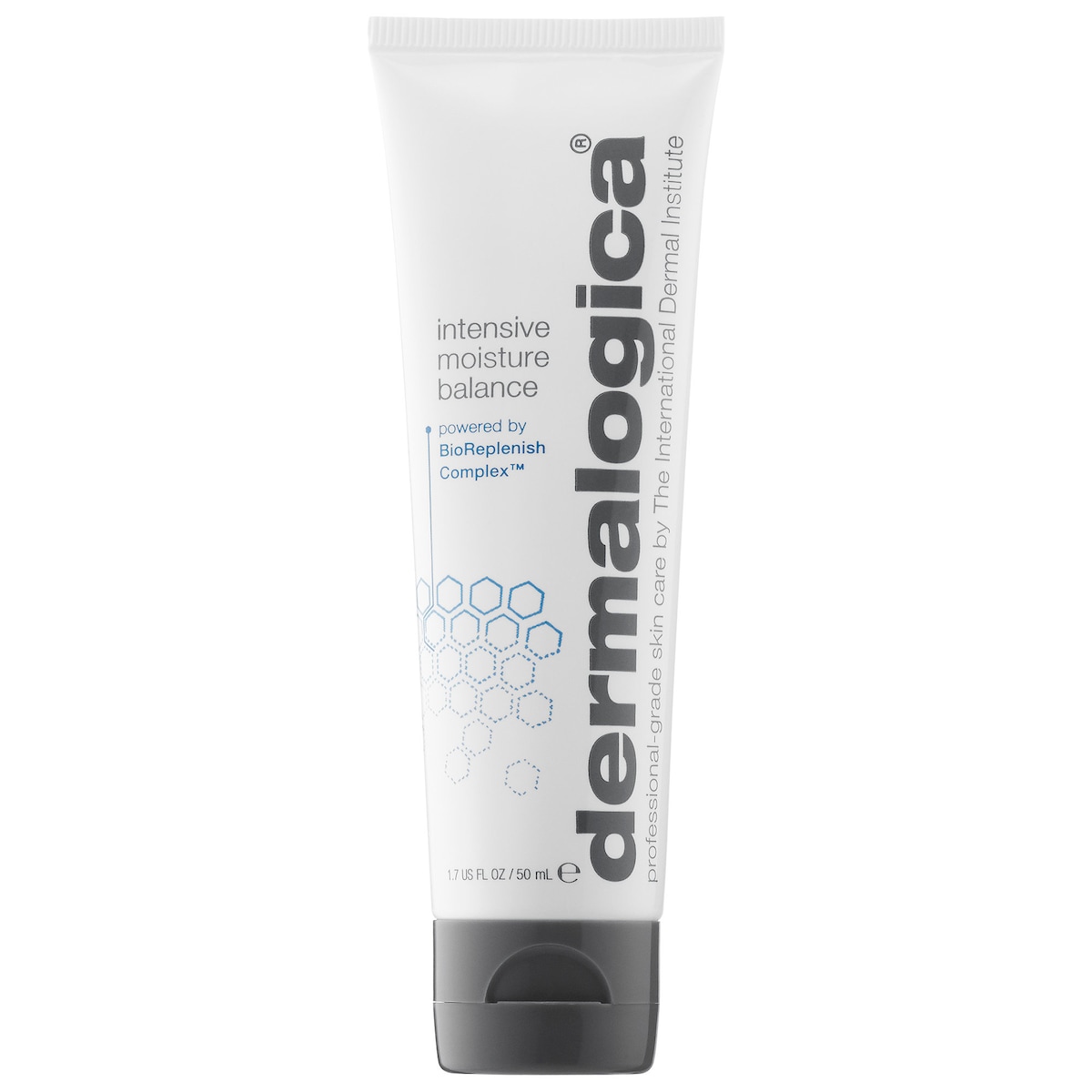
That is the lane for Dermalogica Intensive Moisture Balance Moisturizer. As of May 2026, Sephora lists it around $49 to $83, depending on size, with more than 170 reviews in the Glass product catalog. Ulta shows a much larger review pool with a strong rating signal, and the product is framed around dry skin, lipid support, hyaluronic acid, and a more cushioned cream feel.
My short answer: I would consider Intensive Moisture Balance if my skin is normal-to-dry, dry, mature, flaky, or tight from under-moisturizing. I would not buy it as a lightweight oily-skin gel, a fragrance-free recovery balm, or a quick fix for a damaged barrier that stings from everything. It is a traditional dry-skin moisturizer with a polished Dermalogica feel, not a magic reset button.
The quick read
| Detail | My read |
|---|---|
| Product | Dermalogica Intensive Moisture Balance Moisturizer |
| Price signal | About $49 to $83 at Sephora in May 2026 |
| Texture lane | Nourishing cream, not a watery gel |
| Best fit | Normal-to-dry or dry skin that wants more comfort and cushion |
| Main ingredients I notice | Dimethicone, fatty emollients, hyaluronic acid, ceramide NP, phytosterols, centella, aloe, vitamin C derivative |
| Main caution | Expensive for a daily moisturizer, and still not occlusive enough for every severely dry face |
| What it will not do | Replace sunscreen, treat eczema, erase wrinkles, or make a damaged barrier instantly tolerant |
The product makes sense when dryness is the main problem.
It makes less sense when your real problem is irritation, acne, or product overload.
What this moisturizer is actually trying to be
Intensive Moisture Balance is not trying to be trendy.
That is one thing I like about it.
It is not a jelly cream. It is not a cloud cream. It is not a pore-blurring matte moisturizer. It is a dry-skin cream with a professional-salon personality: smooth, controlled, a little expensive, and built around the idea that dry skin needs more than water.
The formula direction supports that. You get classic moisturizer structure from emollients, fatty components, dimethicone, and humectants. You also get hyaluronic acid, ceramide NP, phytosterols, linoleic acid, centella, aloe, tocopherol, and a vitamin C derivative. I read that as a comfort-and-support formula rather than an active treatment cream.
That distinction matters.
If your skin is dry because it is not getting enough moisture and lipid support, this kind of cream can make the routine feel a lot more stable. If your skin is dry because you are using too many acids, too much retinoid, a stripping cleanser, and no sunscreen, the moisturizer helps only after the routine calms down.
The dry-skin promise is believable, but not unlimited
I would not call this a heavy balm.
It is more of a cream moisturizer for people who want cushion without moving into ointment territory. That can be perfect if your skin feels tight after lighter moisturizers but breaks out or feels suffocated under very rich creams.
The better expectation is this: skin feels softer, more flexible, and less stretched after cleansing. Fine dehydration lines may look less obvious because the skin is better hydrated. Flaky areas may behave better under sunscreen and makeup. Your face should feel less desperate for another layer thirty minutes later.
The wrong expectation is this: one tube fixes years of dryness, replaces a barrier-repair routine, or makes every active product tolerable.
Moisturizer is support. It is not permission to keep irritating your face.
Where I would place it in a routine
I would use Intensive Moisture Balance after cleansing and any watery serum.
For morning, I would keep it simple:
- Gentle cleanse or rinse.
- Hydrating serum only if your skin likes one.
- Intensive Moisture Balance.
- Sunscreen.
For night, I would use it as the main moisturizer after treatment steps:
- Cleanse without leaving skin squeaky.
- Apply a retinoid or treatment only if your skin already tolerates it.
- Wait a minute if your skin pills easily.
- Apply Intensive Moisture Balance over face and neck.
- Add a tiny occlusive layer only on the driest spots if needed.
That last step is optional.
Some dry skin needs cream. Some dry skin needs cream plus a sealing layer. If you wake up comfortable, stop there. If you wake up tight around the mouth, nose, or cheeks, the product may need help from a simpler occlusive step on those areas.
The texture question
This is the part I would decide before buying.
If you want a fresh gel that disappears fast, I would not start here. Dermalogica already has lighter moisturizers for that lane, including Active Moist. Intensive Moisture Balance is the drier-skin choice.
If you want a rich cream that still feels polished, this is closer.
The ingredient list suggests slip and cushion rather than waxy drag. Dimethicone can help the cream feel smooth. Fatty components help with comfort. Hyaluronic acid helps pull water into the upper skin layers. Ceramide NP and phytosterols make the formula feel more barrier-aware than a plain lotion.
That does not mean everyone will find it rich enough.
Very dry skin has levels. If your face flakes under every moisturizer, if wind burns your cheeks, or if retinoids leave you peeling every week, you may need a thicker cream, a simpler barrier product, or a more strategic routine. Intensive Moisture Balance can be part of that routine, but it may not be the whole routine.
The ingredient story
I care less about the marketing name and more about the formula shape.
The shape here is sensible for dry skin. You have humectants for water, emollients for softness, silicones for smoothness, and barrier-adjacent ingredients for comfort.
The ingredients I would pay attention to:
| Ingredient lane | Why it matters |
|---|---|
| Hyaluronic acid | Helps skin hold water in the surface layers |
| Ceramide NP | Supports the barrier-comfort story |
| Phytosterols and linoleic acid | Fit the lipid-support direction |
| Centella and aloe | Calming, comfort-oriented ingredients |
| Dimethicone | Helps reduce a rough, draggy feel and adds slip |
| Sodium ascorbyl phosphate | A vitamin C derivative, though I would not buy this as my main vitamin C product |
The formula also contains phenoxyethanol and other common functional ingredients. That is normal. It is still worth checking the full ingredient list if you already know specific triggers.
I would not buy it because of one hero ingredient. I would buy it because the whole formula is pointed toward dry-skin comfort.
Who I think will like it
The best buyer is someone who has been using moisturizers that are too light.
You might like it if:
- your cheeks feel tight by midday
- makeup clings to dry patches
- gel creams feel nice but do not last
- your skin is normal-to-dry or dry
- you want a cream you can use morning and night
- you prefer a polished professional-skincare feel over a drugstore tub cream
- you want comfort without going straight to a balm
That is a real lane.
Some people do not want the heaviest cream possible. They want something richer than a lotion, smoother than a basic moisturizer, and easier to wear under sunscreen than a thick occlusive cream. Intensive Moisture Balance fits that middle-to-rich space well.
Who should skip it
I would skip it if your skin is oily and you mainly want shine control.
For that, I would look at lighter gel-cream options such as Skinfix Skin Barrier Restoring Gel Cream or Dermalogica Active Moist. Those are closer to the person who hates feeling moisturized.
I would also skip it if your skin is currently burning from everything. When skin is in that state, I do not like expensive complexity. I like fewer variables, fewer actives, and a bland barrier plan until the face stops reacting.
And I would skip it if the price makes you expect a miracle.
An $83 moisturizer still has to behave like a moisturizer. It can make dry skin more comfortable. It can make the routine feel better. It can help you stay consistent. It should not be judged like a procedure, a prescription, or a full skin transformation.
How it compares to nearby Dermalogica moisturizers
Dermalogica makes the decision easier than it looks if you separate the textures.
| Product | Image | Better fit | Where it disappoints |
|---|---|---|---|
| Dermalogica Intensive Moisture Balance | 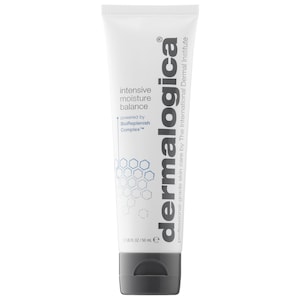 | Dry skin that wants a real cream with more cushion | Not the lightest, cheapest, or most minimal option |
| Dermalogica Skin Smoothing Cream | 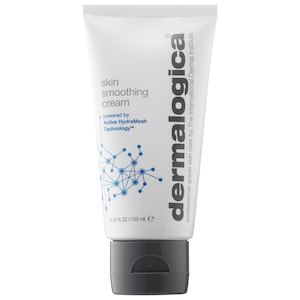 | Normal, dry, or combination skin that wants everyday hydration | Less targeted to the very dry-skin comfort lane |
| Dermalogica Active Moist | 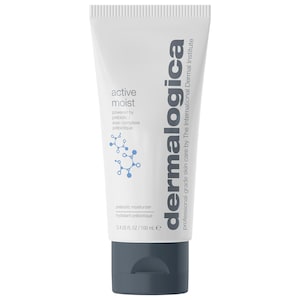 | Oily or combination skin that wants oil-free moisture | Too light if your skin is truly dry |
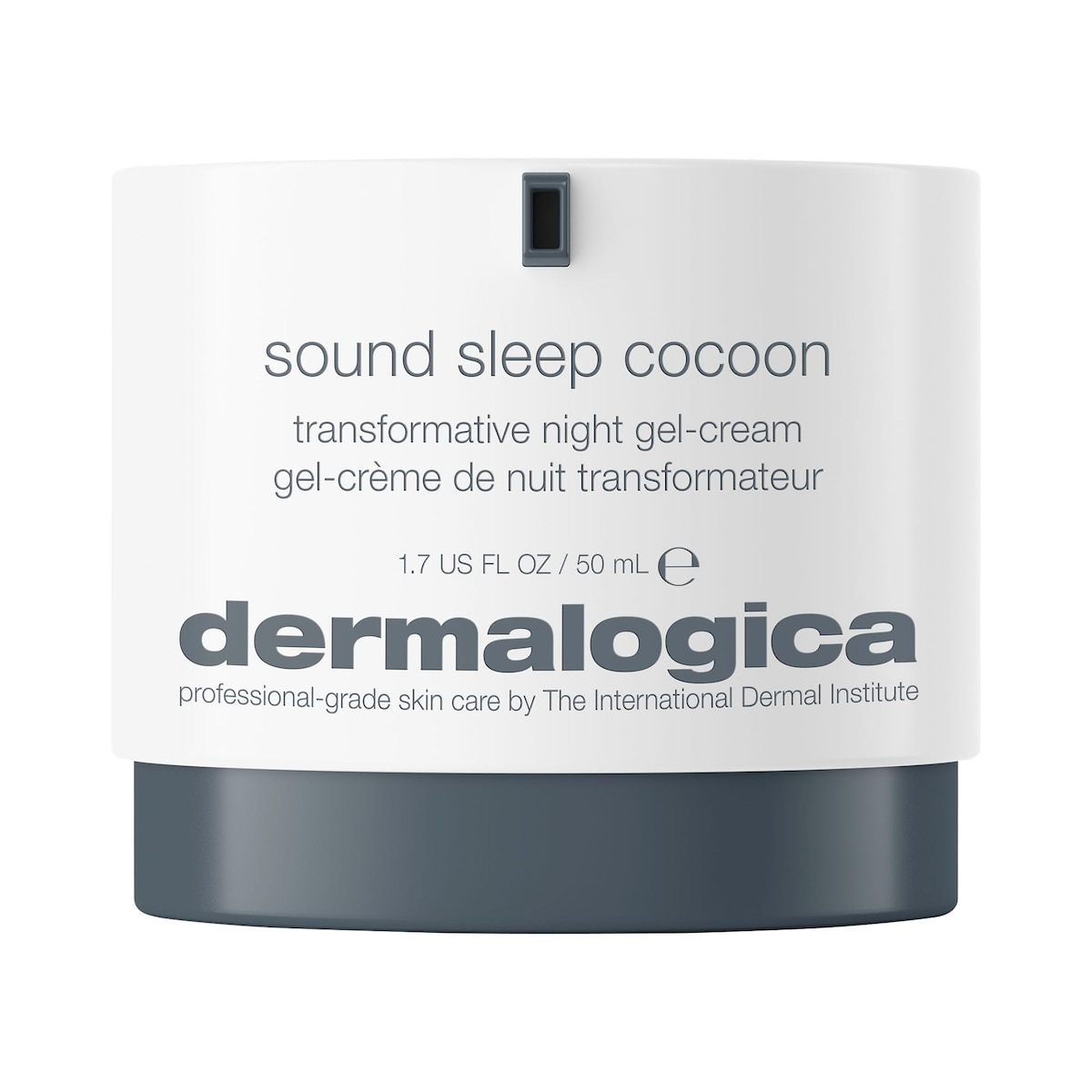
| Dermalogica Sound Sleep Cocoon | 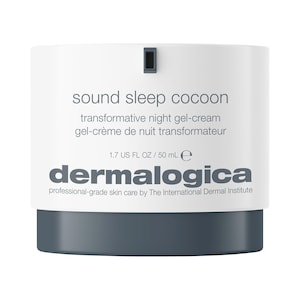 | Nighttime ritual, lightweight gel-cream feel, sensory finish | Not my first pick for simple dry-skin repair |
| Dermalogica Phyto Nature Lifting Eye Cream | 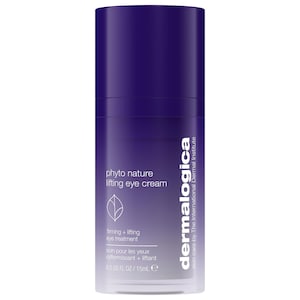 | Eye-area firmness and moisture | Not a full-face moisturizer |
If your skin is oily, Active Moist makes more sense. If your skin is normal and just wants a daily cream, Skin Smoothing Cream may be easier. If your skin is dry and tight, Intensive Moisture Balance is the one I would compare first.
How it compares outside Dermalogica
I would also compare it against the kind of moisturizers people actually cross-shop when they are tired of dry skin.
| Product | Image | Better fit | Where it disappoints |
|---|---|---|---|
| Dermalogica Intensive Moisture Balance | | Dry skin that wants a polished cream with barrier-support ingredients | Pricey for daily use |
| Kiehl's Ultra Facial Cream | 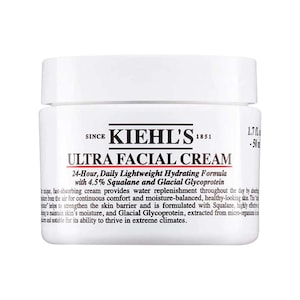 | Simple daily moisture with a broad comfort lane | Less of the professional-treatment feel |
| Skinfix Triple Lipid-Peptide Cream |  | Barrier-focused dryness and richer comfort | Heavier and less elegant under some sunscreens |
| LANEIGE Water Bank Blue Hyaluronic Cream | 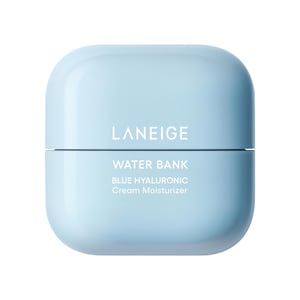 | Softer hydration at a lower price point | Less dry-skin-specific than Dermalogica |
This is where the price has to earn its place.
If you want the Dermalogica feel and your skin likes it, the purchase can make sense. If you just need a dependable moisturizer, you have cheaper and simpler options.
The price question
I would not buy the large size first.
That is my honest take.
When a moisturizer costs this much, the first risk is not whether the formula is bad. The first risk is buying too much before you know whether the texture fits your face, your climate, your sunscreen, and your routine.
Dry skin can change by season. A cream that feels perfect in winter can feel too much in late spring. A product that works beautifully at night may sit badly under a mineral sunscreen. A moisturizer that feels amazing on cheeks may feel heavy around the nose.
So I would test the smaller size if possible, especially if you are new to Dermalogica moisturizers.
The retinoid question
This is one place Intensive Moisture Balance may be useful.
If your retinoid routine makes your skin feel dry but not actively burned, a richer cream can help. I would use the moisturizer after the retinoid, or use a sandwich method if your skin needs buffering: moisturizer, retinoid, moisturizer.
But if your skin is peeling badly, stinging after water, or turning red from basic products, I would pause the active conversation. A moisturizer can support recovery, but it cannot make an overloaded routine smart.
The better move is boring: reduce active frequency, use a gentle cleanser, moisturize consistently, wear sunscreen, and reintroduce treatments slowly.
The makeup test
A dry-skin moisturizer has to pass the makeup test.
I would judge Intensive Moisture Balance by what happens after sunscreen and base makeup, not just how it feels at night.
| Check | Good sign | Bad sign |
|---|---|---|
| Sunscreen | Spreads smoother and feels less tight | Pills or feels heavy |
| Foundation | Less flaking around cheeks and mouth | Makeup separates or catches |
| Midday comfort | Skin still feels flexible | Tightness returns quickly |
| Congestion | No new bumps after repeated use | Small clogs in usual trouble zones |
Give it a stable test week.
Do not change cleanser, serum, SPF, and moisturizer all at once. If you change everything, you learn nothing.
My final take
I understand the appeal of Dermalogica Intensive Moisture Balance.
It is clear. It is not trying to be cute. It is a dry-skin moisturizer for people who want a cream with more substance than a gel and more polish than a basic tub.
I would consider it if my face felt tight, dry, dull, or under-supported, especially if lighter moisturizers kept disappearing too fast. I would be more cautious if my skin were oily, acne-prone in a way that hates creams, extremely reactive, or already happy with a simpler moisturizer.
The product is not cheap, so I would make it earn the spot.
Start with the smaller size if you can. Keep the rest of the routine boring. Judge it by morning comfort, sunscreen behavior, and whether your skin feels less needy after a full week.
That tells you more than the price ever will.
FAQ
Is Dermalogica Intensive Moisture Balance worth it?
It can be worth it if your skin is normal-to-dry or dry and lighter moisturizers do not give enough lasting comfort. I would not call it worth it if you want an oil-free gel, a very minimal barrier balm, or a low-cost everyday cream.
Is Intensive Moisture Balance good for very dry skin?
It is a good candidate for dry skin, but very dry or compromised skin may still need a richer sealing layer or a simpler recovery routine. I would judge it by whether tightness returns a few hours later.
Can you use Dermalogica Intensive Moisture Balance every day?
Yes, it is positioned as a daily moisturizer for morning and night use. In the morning, I would always follow with sunscreen.
Is it better than Dermalogica Skin Smoothing Cream?
It depends on your skin. Intensive Moisture Balance is the more dry-skin-focused choice. Skin Smoothing Cream is easier to place for normal, dry, or combination skin that wants everyday hydration without as much rich-cream emphasis.
Can oily skin use Intensive Moisture Balance?
Some oily skin can use richer products, but this would not be my first pick for oily skin. I would usually start with Dermalogica Active Moist or a lighter gel-cream if shine and weight are the main concerns.
Can I use it with retinol?
Yes, if your skin already tolerates retinol. If retinol is causing burning, peeling, or stinging, reduce the active load and use a calmer support routine before adding more products.
Useful product references: Dermalogica Intensive Moisture Balance, Sephora Intensive Moisture Balance listing, Ulta Intensive Moisture Balance listing, Influenster review snapshot, and AAD moisturizer guidance for dry skin.