The hardest skin type to moisturize is not dry skin.
It is oily-sensitive skin that still feels tight.
That skin is annoying because every obvious answer can backfire. Rich cream feels too heavy. Matte gel can feel too drying. Skipping moisturizer makes the face look shiny and irritated at the same time. Then the routine turns into a loop of blotting, exfoliating, adding serum, getting red, and wondering why nothing feels stable.
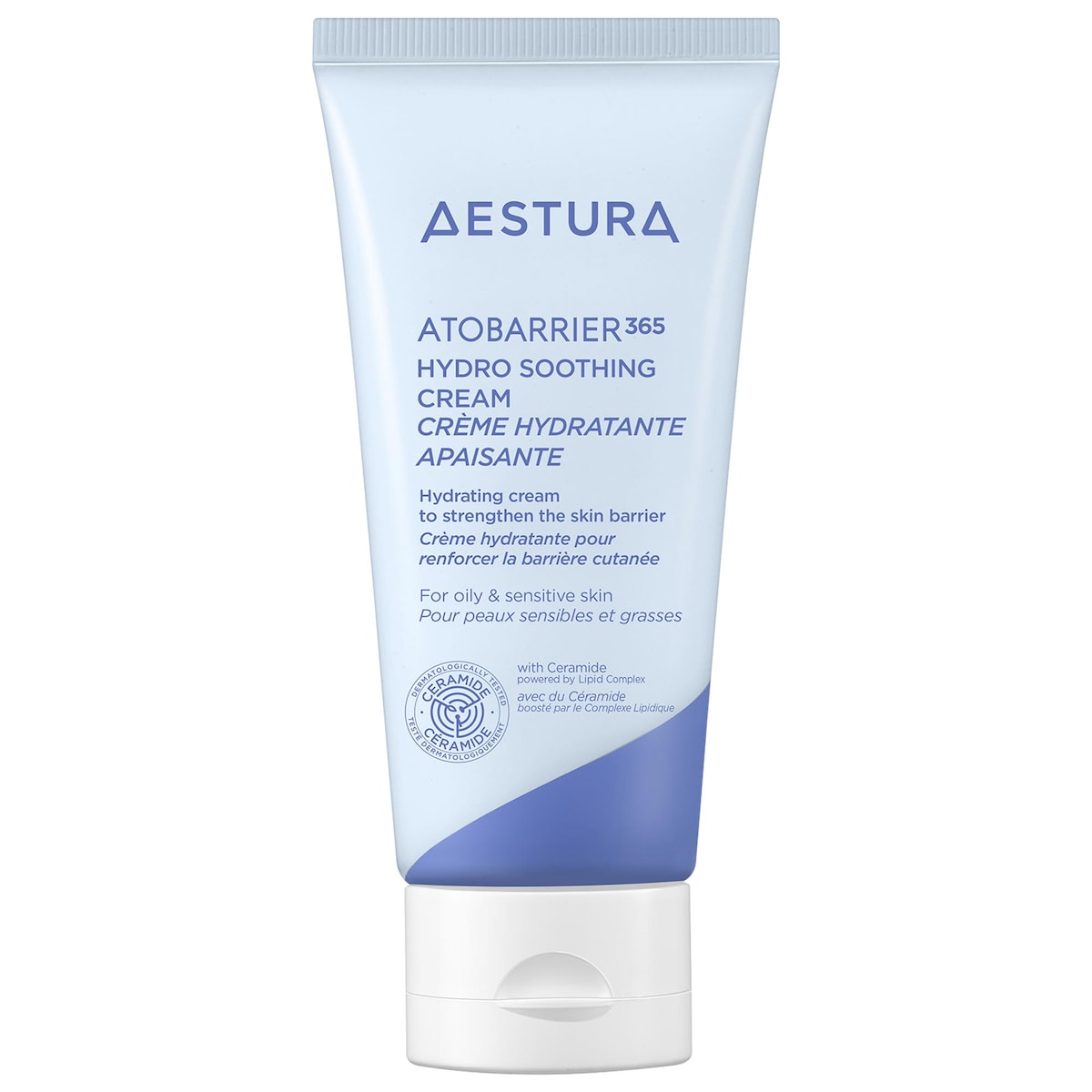
That is the lane where AESTURA ATOBARRIER365 Cooling Hydro Soothing Water Cream makes sense to evaluate. It is a lightweight water cream with ceramides, hyaluronic acid, squalane, beta-glucan, cholesterol, sphingolipids, and humectants. In normal routine language, it is trying to hydrate and support the barrier without behaving like a heavy cream.
This is how I would use it if the goal was calmer oily or combination skin in May 2026.
Quick Answer
I would use AESTURA ATOBARRIER365 Cooling Hydro Water Cream as the main moisturizer in a simple morning routine and as a lighter recovery moisturizer at night.
For oily-sensitive skin, I would not stack it with a new cleanser, new exfoliant, and new sunscreen all in the same week. I would make it the only new product and watch whether tightness, redness, and midday discomfort improve without new congestion.
The routine I would start with:
- Gentle cleanser or water rinse
- AESTURA ATOBARRIER365 Cooling Hydro Water Cream
- Sunscreen in the morning
At night:
- Gentle cleanse
- One treatment only if already tolerated
- AESTURA ATOBARRIER365 Cooling Hydro Water Cream
That looks too simple, but oily-sensitive skin usually improves when the routine stops shouting at it.
The Skin Pattern This Fits
This moisturizer is most useful when the skin pattern sounds like this:
- Shiny by midday but tight after cleansing
- Red around the cheeks or nose
- Easily irritated by exfoliating toners
- Too oily for thick barrier creams
- Too sensitive for aggressive mattifying steps
- Dehydrated under makeup
- Better with light layers than one heavy seal
That is not a rare pattern. It is what happens when the skin has oil but not enough comfortable water balance. Oiliness does not automatically mean the barrier is fine. The face can be oily and still need moisturizer.
If your skin is mostly dry and depleted, I would use a richer moisturizer guide instead, like best moisturizers at Sephora for sensitive skin. This article is for the lighter, trickier lane.
The Routine Problem It Solves
The real problem is not "I need a moisturizer."
The real problem is "I need a moisturizer that does not create a second problem."
That is why oily-sensitive skin users are so picky. A product can hydrate but feel sticky. It can mattify but leave the cheeks rough. It can calm redness but clog the chin. It can be non-greasy but still make sunscreen pill.
AESTURA's water cream is worth considering because it is trying to do the practical middle job: support the barrier in a texture that oily and combination skin might actually repeat.
The goal is not a dramatic glow. The goal is a face that feels less reactive and a routine that does not need constant correction.
Morning Routine
In the morning, I would keep this moisturizer close to the end of the routine.
If your skin is oily, do not assume you need cleanser every morning. Some people do better with a water rinse, especially if the night routine was gentle. If you wake up greasy, cleanse. If you wake up comfortable, rinse and move on.
Then apply a thin layer of the AESTURA water cream while the skin is still slightly damp. Give it a minute. Apply sunscreen after.
The order is:
- Rinse or cleanse
- Hydrating serum only if you already tolerate it
- AESTURA water cream
- Sunscreen
The moisturizer should not fight sunscreen. If the finish gets too shiny, use less cream in the T-zone and keep the same amount on the cheeks.
Night Routine
At night, I would use it as the final moisturizer step in a stripped-back routine.
If you wear sunscreen or makeup, cleanse properly. If the cleanser leaves your face squeaky or tight, the cleanser may be the real problem. A moisturizer can help, but it should not have to rescue your face from a harsh cleanse every single night.
After cleansing, use one treatment only if your skin already tolerates it. Then apply the water cream. On irritated nights, skip treatment and just moisturize.
That rhythm gives the skin room to calm down. Oily-sensitive skin often does not need more products. It needs fewer conflicts.
Retinoid Nights
This is where I would be careful.
If you use a retinoid, a lightweight barrier moisturizer can be helpful, but only if the rest of the routine stays calm. Do not pair a retinoid night with exfoliating cleanser, acid toner, and a new moisturizer, then blame the moisturizer when your skin gets hot.
For retinoid nights, I would choose one of these patterns:
- Moisturizer, retinoid, moisturizer if you get irritated easily
- Retinoid, then moisturizer if your skin is already adjusted
- Moisturizer only if the skin feels too reactive that night
The AESTURA water cream is more of a comfort layer than a heavy buffer. If your retinoid makes you peel, you may still need a richer cream on dry patches.
Exfoliation Nights
If your skin is oily, exfoliation can be tempting. The face feels clogged, so you want to polish it. The issue is that oily-sensitive skin can get worse when exfoliation becomes the default answer.
I would not use an exfoliating acid every night with this product. Use exfoliation sparingly, then let the water cream be the recovery step.
A simple week could look like this:
- Two or three treatment nights
- The rest recovery nights
- No new active if the skin is red, stinging, or unusually tight
If you need a broader routine structure, how to build a skincare routine you will actually follow gives the cleaner framework.
Dehydrated Oily Skin
Dehydrated oily skin is the main use case I like here.
The signs are easy to miss. Skin looks shiny, but it does not feel comfortable. Makeup separates around the nose. The cheeks look flat or rough. The face feels better right after skincare, then tight again later.
That is when I would rather add steady water-based hydration and barrier support than keep chasing a drier finish. AESTURA has glycerin, butylene glycol, betaine, sodium hyaluronate, and barrier-supporting lipids, so the formula logic matches that problem.
Use a thin layer twice a day for a week before judging it. If skin feels less tight but still shiny, adjust the amount rather than quitting immediately.
Redness-Prone Skin
Redness-prone skin needs a boring routine.
Not boring as in low effort. Boring as in predictable. The face should not have to handle a different active, scrub, mask, and spot treatment every day.
For redness, I would use this cream after a gentle cleanse and before SPF in the morning. At night, I would skip strong actives until the skin looks calmer.
The ingredient mix has beta-glucan, squalane, ceramide NP, cholesterol, and sodium hyaluronate, which makes it more appropriate for a calm-down routine than a high-intensity routine.
If redness is severe, painful, or persistent, that is a dermatologist conversation. A cosmetic moisturizer can support comfort, but it should not be treated like medical care.
T-Zone Strategy
Combination skin should stop pretending the whole face is one skin type.
Use less of the cream on the forehead, nose, and chin. Use more on the cheeks, around the mouth, or anywhere that gets tight. This is not cheating. It is the most practical way to make a single moisturizer work on uneven skin.
For the T-zone, I would apply a pea-size amount across the whole face, then add a second light pass only where needed. If the nose gets shiny fast, skip the second pass there.
That one change can be the difference between "this is too much" and "this actually works."
Under Sunscreen
Sunscreen is the stress test for any morning moisturizer.
If the moisturizer makes sunscreen pill, the routine will fail. If the moisturizer makes sunscreen greasy, you will use less SPF. If the moisturizer is too drying, the sunscreen can cling to texture.
I would give the AESTURA water cream a full minute to settle before applying sunscreen. I would also avoid layering too many serums underneath it at first. The fewer layers, the easier it is to see whether the moisturizer itself fits.
If you want a dewy but controlled finish, read how to get glass skin without looking greasy next. That is the same basic problem from a finish angle.
Under Makeup
For makeup, I would use a thin layer.
The mistake is applying moisturizer like a night mask, then wondering why foundation moves. Oily-sensitive skin usually does better when the skin is comfortable, not soaked.
Apply the cream, wait, then sunscreen. If makeup still slides, the issue may be the sunscreen or base product, not the moisturizer. Change one thing at a time.
If dry patches show through makeup, add more only to those patches. Do not make the T-zone pay for what the cheeks need.
Summer And Humidity
May routines have to handle warmer weather.
This is another reason a water cream makes sense. In humid weather, thick creams can feel trapped on the skin. A lighter product can be easier to repeat in the morning without making the face feel coated.
At night, you can still adjust. Use the water cream alone when the air is humid. Add a richer moisturizer to dry zones when air conditioning makes the skin feel tight. The product does not have to do the exact same job every night.
When To Pause
Pause if you notice burning, persistent stinging, new clusters of bumps, or redness that keeps getting louder. Do not push through irritation because the product sounds gentle.
Also pause other new products before blaming the cream. If you added a new exfoliant three days earlier, your skin may be reacting to the whole routine, not this one jar.
The safest rule is simple: when the skin gets reactive, simplify to cleanser, moisturizer, and sunscreen. Then rebuild slowly.
How Glass Fits The Decision
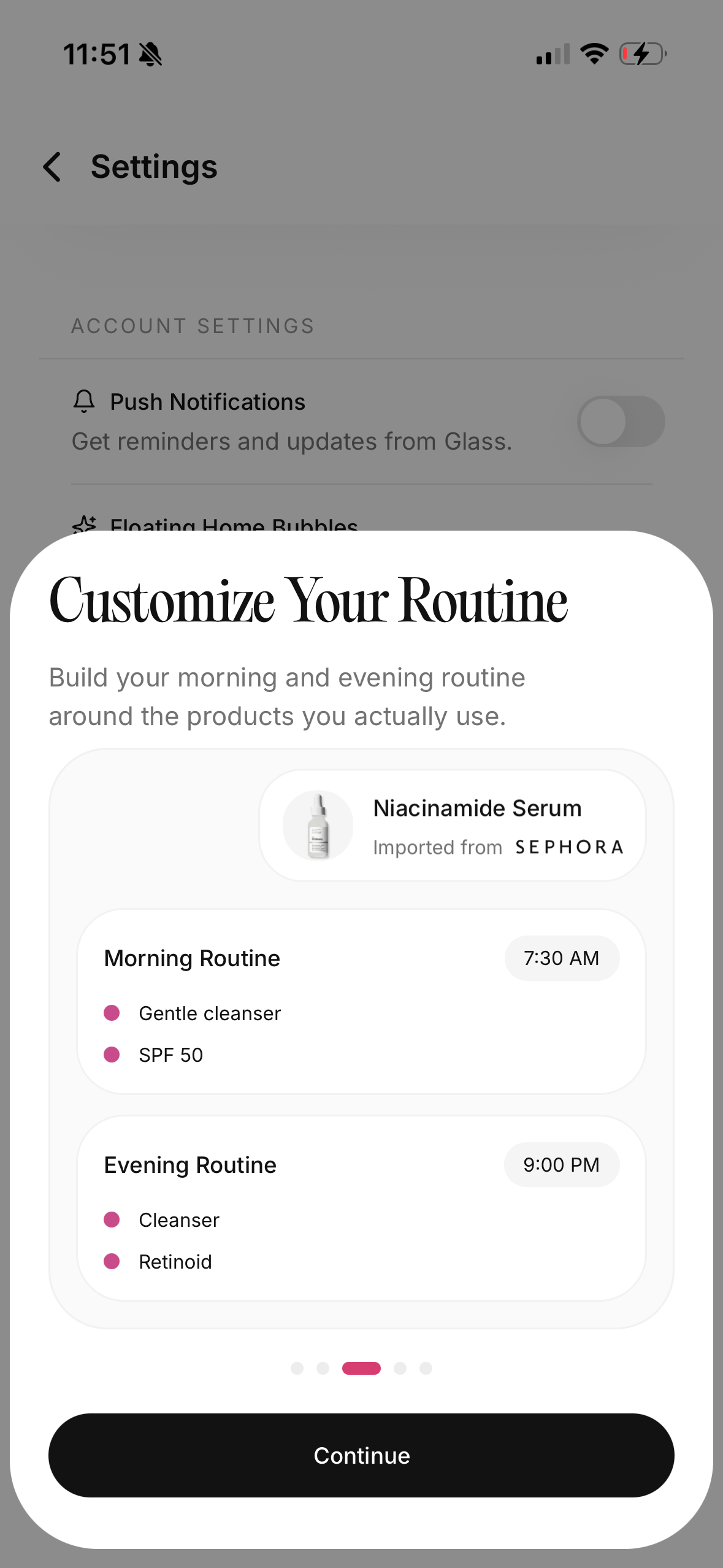
This is exactly the kind of product where tracking helps.
Without notes, it is easy to forget whether tightness improved, whether the shine changed, or whether the skin was already irritated before you started. In Glass, I would track three things for one week:
- Morning tightness
- Midday shine
- Redness or stinging
That turns the decision from a vague feeling into a pattern. If the cream improves comfort without increasing congestion, it has a role. If it feels nice but the same problems stay, the routine may need a different change.
Bottom Line
I would use AESTURA ATOBARRIER365 Cooling Hydro Soothing Water Cream as a lightweight barrier-support moisturizer for oily-sensitive, combination, red, or dehydrated skin. The best routine is simple: gentle cleanse, water cream, sunscreen in the morning, then cleanser and water cream at night.
Do not ask it to be everything. Let it be the comfort layer. Let sunscreen be sunscreen. Let treatments have a schedule. That is how this type of moisturizer becomes useful instead of becoming one more product in a crowded drawer.
FAQ
Can oily skin use this every day?
Yes, if the texture agrees with your skin. Start with a thin layer and adjust by zone.
Should I use it before or after serum?
Use watery serums first, then the water cream. In the morning, sunscreen goes after the cream.
Can I use it when my barrier feels damaged?
It can fit a barrier-support routine, especially if heavy creams feel like too much. If the skin is severely dry, cracked, or painful, use a richer moisturizer and consider professional guidance.
Is it good under sunscreen?
That is one of the best reasons to consider it. Use a thin layer, let it settle, then apply sunscreen.