
If you search how to get glassy skin right now, the live results are useful in a broad way but still frustrating in a practical one.
Some of the guides lean into the classic glossy K-beauty fantasy: layer more, add more, keep going until your routine looks impressive. Others do the opposite and flatten the answer into generic advice like drink water, moisturize, and hope for the best.
Neither version really solves the pain point most people have.
Most people are not asking how to make their skin look wet for 20 minutes. They are asking something more grounded:
_How do I get smoother, clearer, more hydrated-looking skin that reflects light better without turning my routine into an expensive part-time job?_
I reviewed the live pages shaping this topic on April 19, 2026, including LMCHING’s glass skin routine guide, La Roche-Posay Canada’s glass skin explainer, La Roche-Posay Australia’s how to get glass skin guide, Boots’ glass skin product guide, and Slay Girl’s glass skin routine overview. I also cross-checked current dermatologist guidance from the American Academy of Dermatology on gentle face washing, safe exfoliation, and choosing sunscreen.
Those pages broadly get a few things right:
- glassy skin is really about hydration, smoother texture, and even-looking tone
- over-exfoliation makes the goal harder, not easier
- sunscreen matters more than a trendy “glow” finish
- barrier health is what makes the look sustainable
Where they still fall short is routine fit.
They do not spend enough time answering the harder questions readers actually have:
- What if your skin is shiny but still dehydrated?
- What if your routine feels sticky, heavy, or impossible to repeat?
- What if every “dewy” product just makes you look greasy?
- What if your barrier is a little irritated already?
- What if you want glassy skin from a routine that still makes sense on a weekday morning?
This guide is meant to be better than those pages by doing three things at once:
- keeping the routine smaller and more repeatable
- tying each step to a real product role instead of vague advice
- showing you what to stop doing, not just what to buy
Quick answer
If you want the shortest version first, here is the most honest answer to how to get glassy skin:
- Cleanse gently instead of trying to “deep clean” your face twice a day.
- Add one hydrating prep layer so your skin stops looking flat and tight.
- Use one hydrating serum before you start stacking corrective serums.
- Add one balancing serum only if you have a real oil or tone issue.
- Seal with a moisturizer that matches your skin type.
- Wear sunscreen every morning.
That is the core.
You do not need a 10-step routine, daily exfoliation, or a shelf full of “glow” products to get there.
If your skin currently stings, flakes, burns when moisturizer hits it, or looks oily and papery at the same time, stop chasing the finish first and read skin barrier repair routine: what to do when everything suddenly stings. Glassy skin gets easier once the barrier stops fighting back.
What “glassy skin” actually means
Glassy skin is not supposed to mean slick, poreless, or artificially shiny.
The healthier version of the goal is simpler:
Glassy skin means skin that looks smooth, hydrated, calm, and reflective because the surface is more even and the barrier is working better.
That matters because a lot of people chase the wrong visual target.
Temporary shine can come from:
- over-cleansing
- too much occlusive product
- sweat
- irritation
- product sitting on top of the skin instead of settling in
Healthy-looking glow usually comes from a different combination:
- less stripping
- better hydration layering
- smoother texture
- calmer inflammation
- daily sunscreen consistency
That is why the routine below is built around support, not spectacle.
What this guide focuses on
The current top pages do a decent job defining glass skin. They do a weaker job helping someone build a routine they will still follow in three weeks.
LMCHING and Slay Girl lean more into long, aspiration-heavy step stacks. Boots is more useful when you want product categories, but it still does not tell you which single step is most likely missing from your current routine. The La Roche-Posay guides do a better job on barrier language, but they still stay more general than most readers need.
The practical miss across all five is friction.
That is what breaks most glassy-skin routines in real life:
- the cleanser leaves your face tight, so every later step becomes damage control
- the toner-serum-moisturizer stack gets too sticky or too heavy
- you buy brightening and exfoliating products before fixing dehydration
- sunscreen pills over everything underneath
- you cannot tell whether your skin needs more water, less irritation, better oil balance, or all three
This page is tighter on purpose. The goal is not to build the most elaborate routine. The goal is to build one that actually survives contact with real mornings, real skin types, and real attention spans.
The best Sephora products to support glassy skin
These are not the only products that can work. They are the ones that make the routine easier, calmer, and more realistic.
| Image | Step | Product | Best for | Why it earns a place |
|---|---|---|---|---|
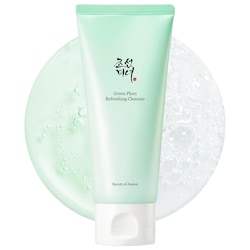 | Cleanser | Beauty of Joseon Green Plum Refreshing Cleanser for Gentle Daily Wash | Skin that feels tight after washing | Gives you a calmer start instead of a stripped one |
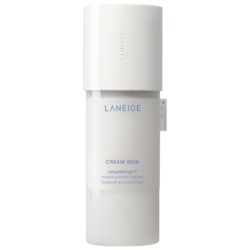 | Milky toner | LANEIGE Cream Skin Refillable Milky Toner with Ceramides and Peptides | Dry or dehydrated skin | The fastest way to make the routine feel bouncier |
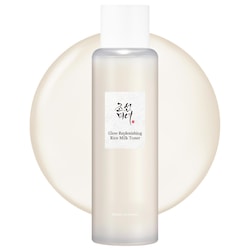 | Lighter toner | Beauty of Joseon Glow Replenishing Rice Milk Lightweight Hydration Toner | Combination or oilier skin | Better when creamy layers feel like too much |
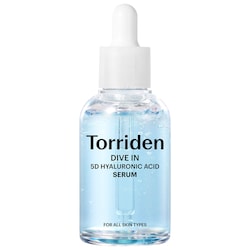 | Hydrating serum | Torriden DIVE IN 5D Hyaluronic Acid Ultra Hydrating Serum for Plump & Glow Skin | Plumpness, bounce, softer-looking texture | The clearest hydration-first serum in this lane |
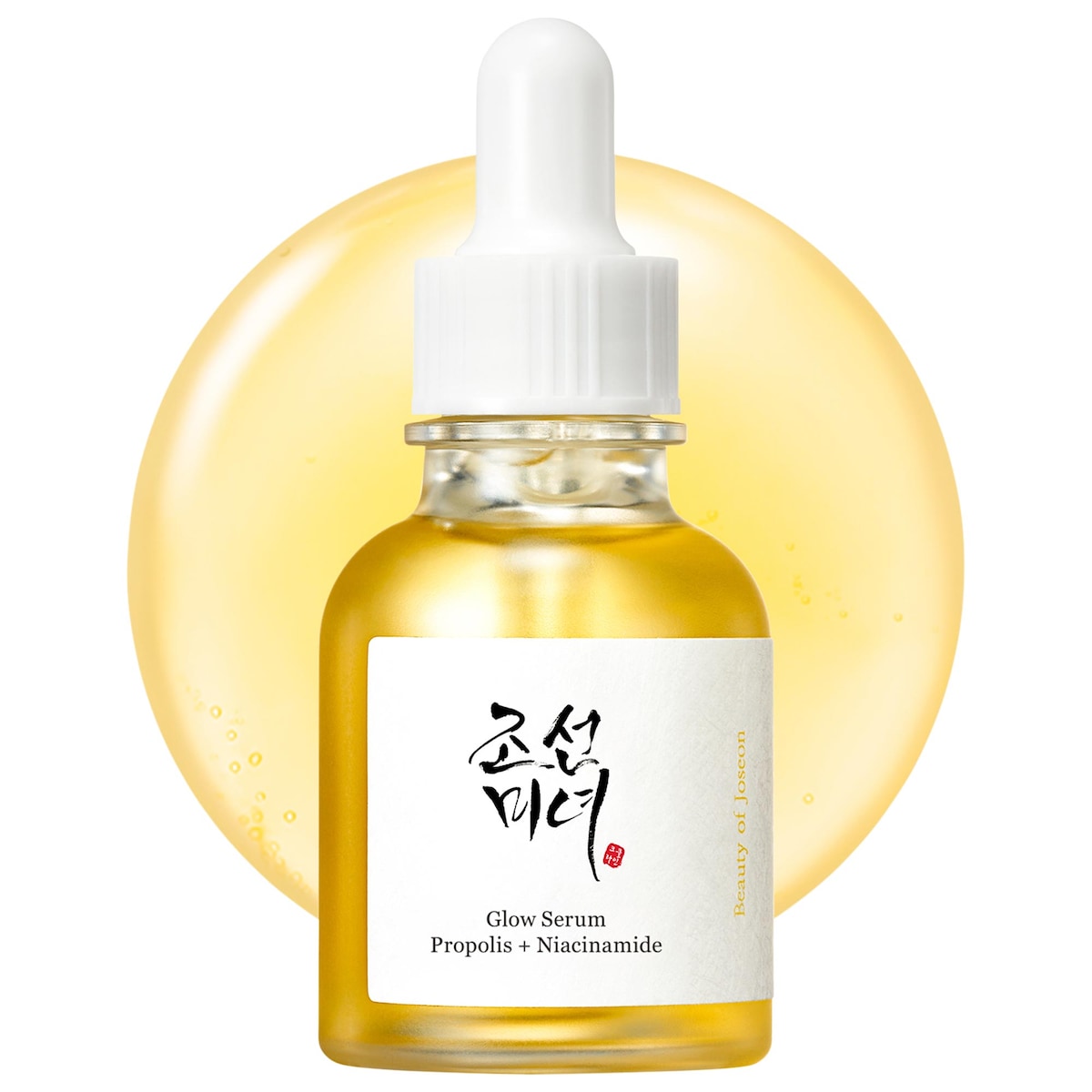
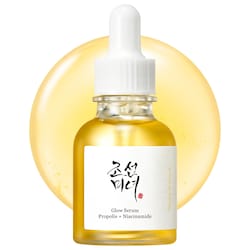 | Balancing serum | Beauty of Joseon Glow Serum for Oil Control with Niacinamide | Oily zones, uneven tone, post-breakout marks | Helps when the issue is imbalance, not just dryness |
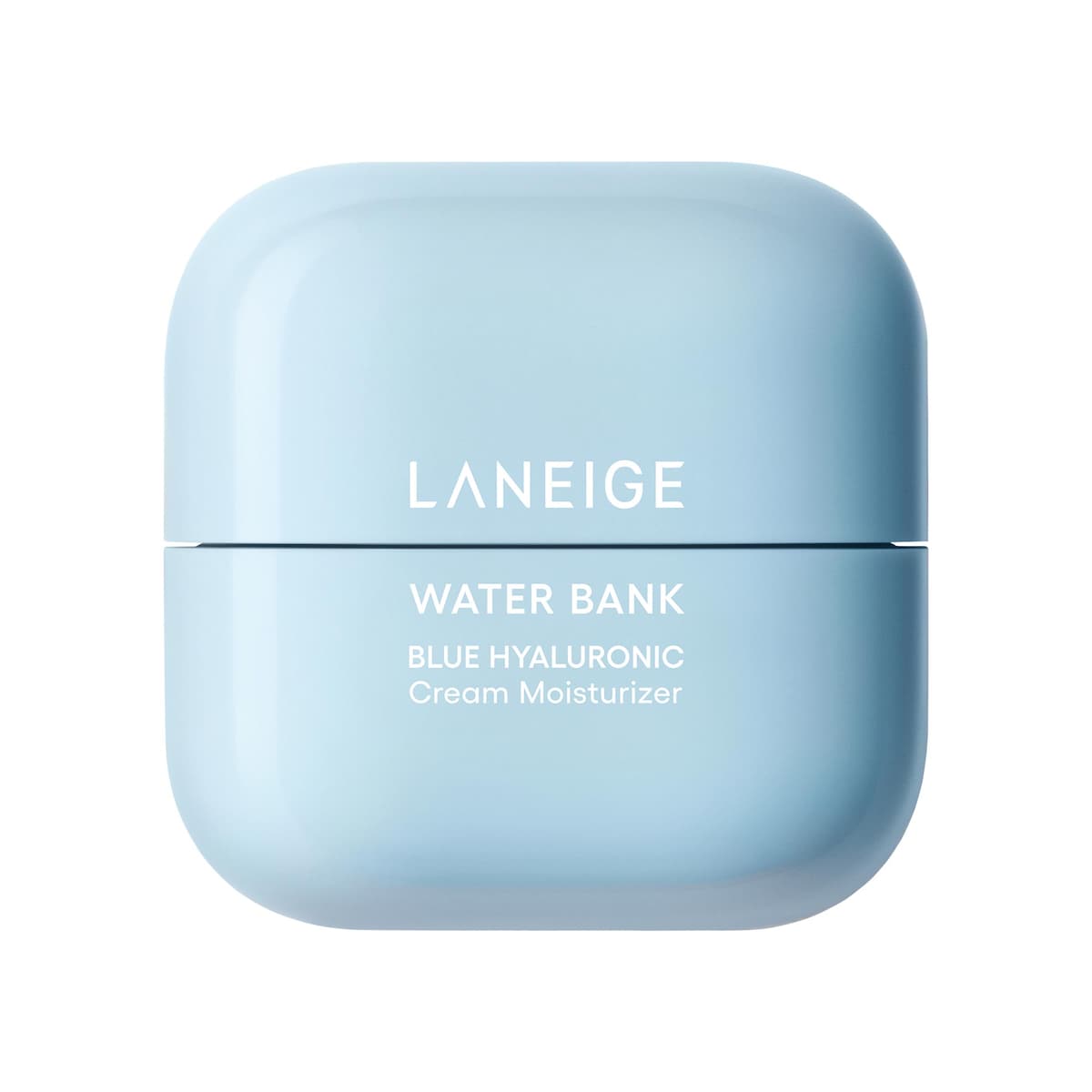
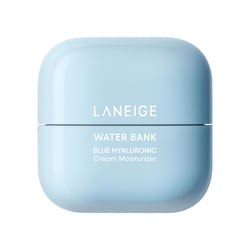 | Moisturizer | LANEIGE Water Bank Blue Hyaluronic Cream Moisturizer for Moisture Barrier Repair | Normal to dry skin | A smooth, comfortable finish without heavy residue |
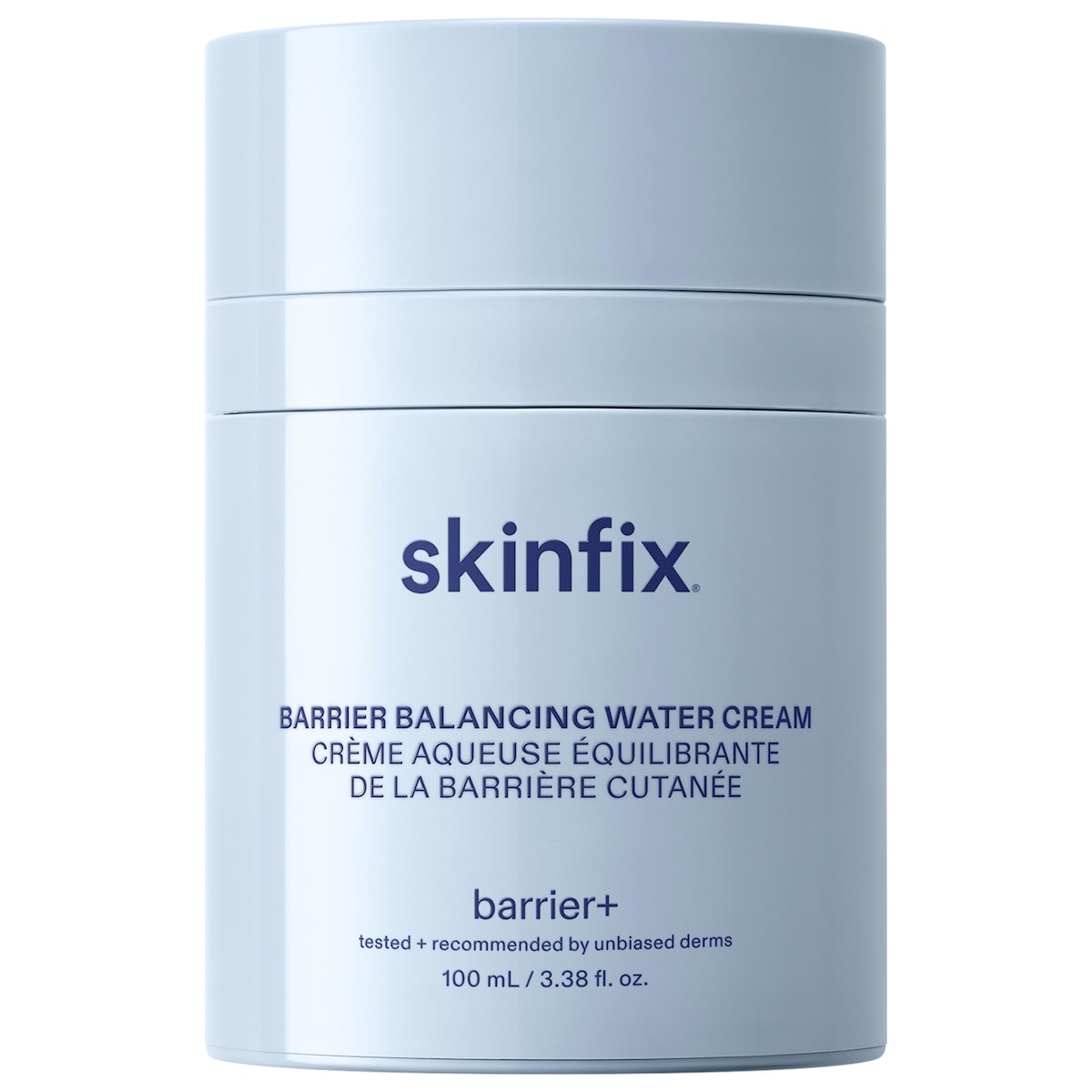
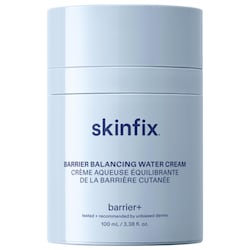 | Lighter moisturizer | Skinfix Barrier Balancing Water Cream Moisturizer with Hyaluronic Acid | Combination or oily skin | Keeps the finish lighter without skipping support |
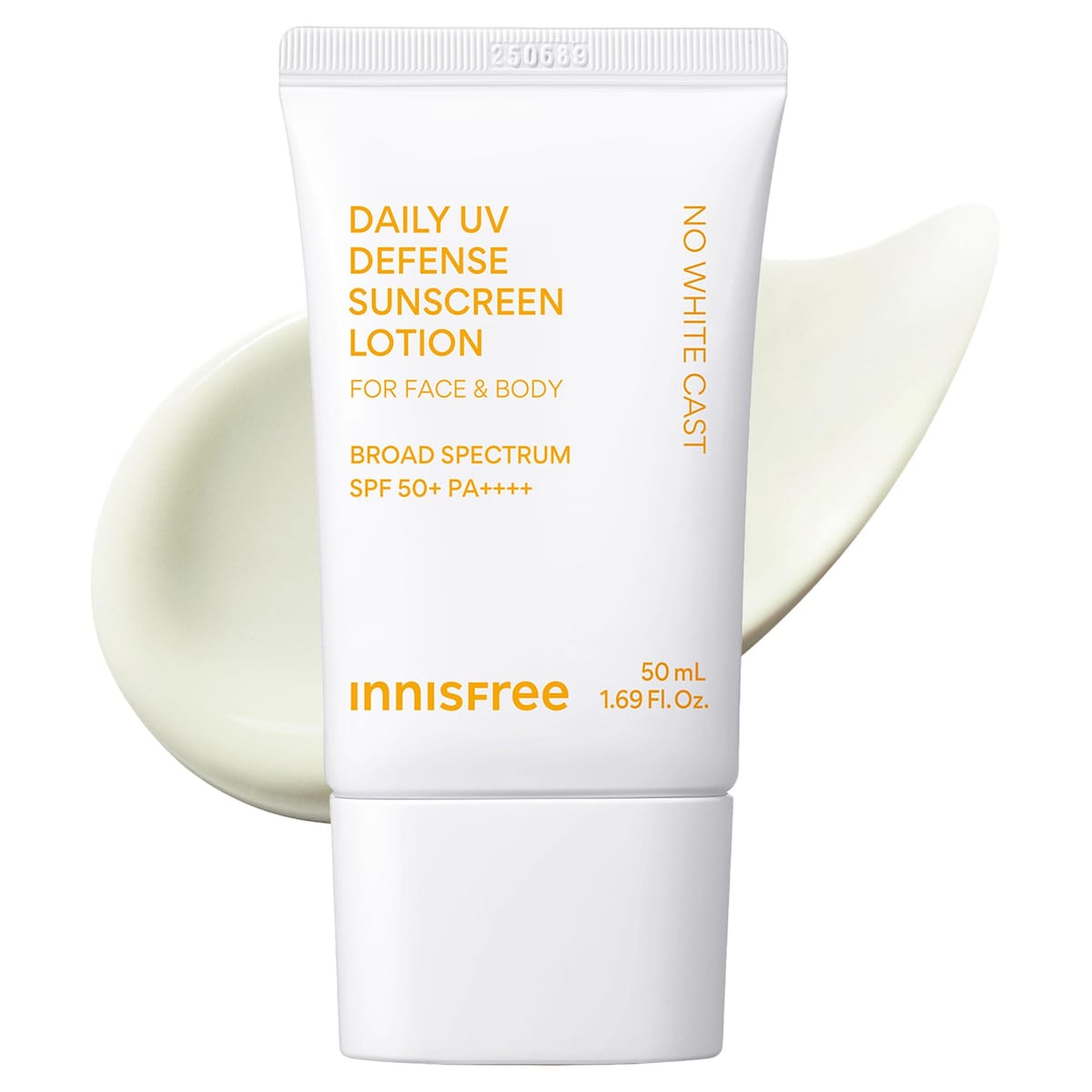
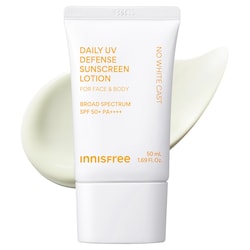 | SPF | innisfree Daily UV Defense Invisible Korean Sunscreen Lotion Broad Spectrum SPF 50+ PA++++ | Everyday wear | Light enough to keep the routine repeatable |
If you want the broader shopping version after this, best products for glass skin (April 2026) goes deeper on category picks.
1. Start with a cleanser that does not make your skin feel squeaky
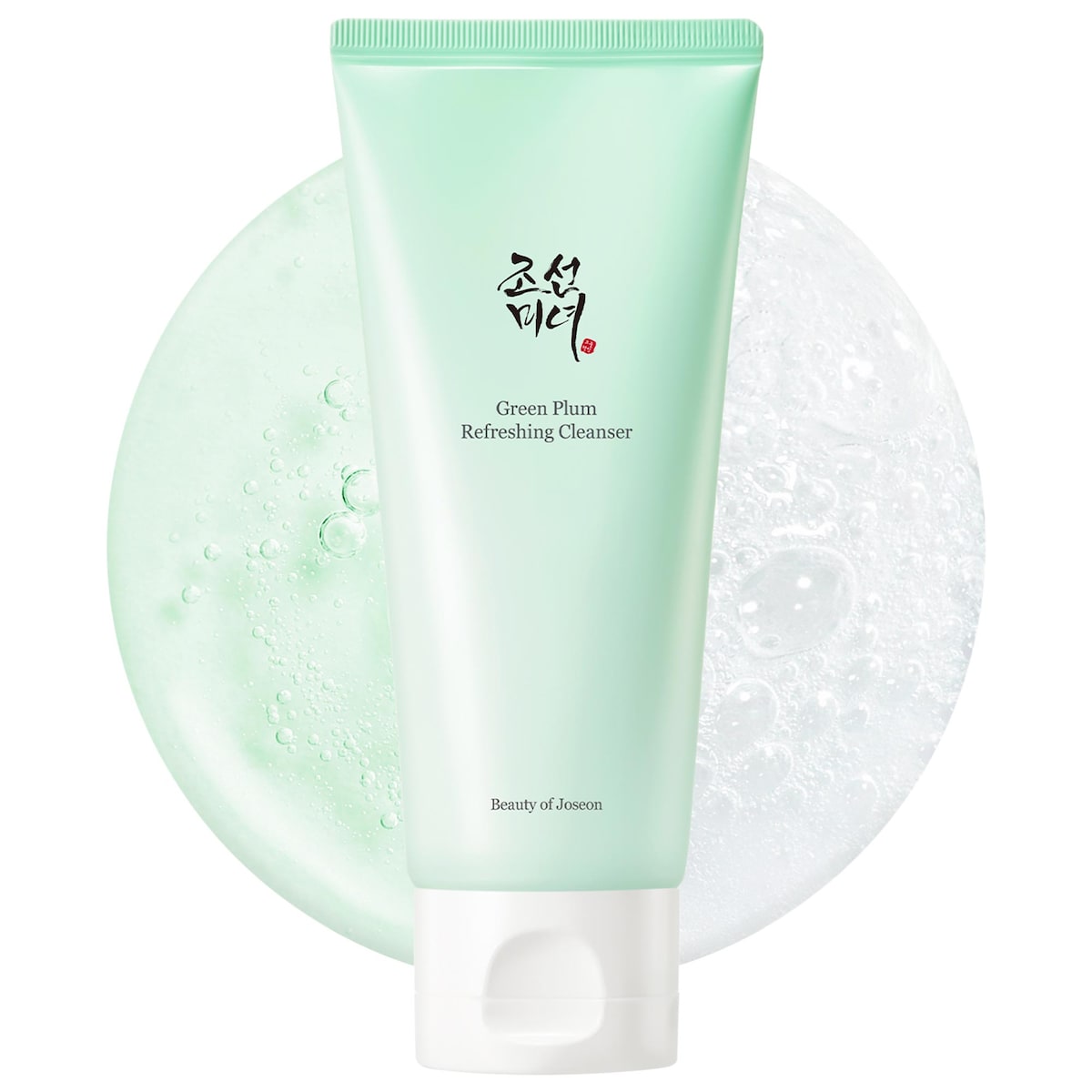
The AAD’s current face-washing guidance is still the right place to start: use a gentle, non-abrasive cleanser, use lukewarm water, avoid scrubbing, and do not over-wash.
That advice matters because plenty of glassy-skin routines quietly fail at step one.
If your face feels tight right after washing, looks oddly shiny in a stripped way, or seems redder after every cleanse, your routine is not building glow. It is building a problem that every later product has to work around.
That is why Beauty of Joseon Green Plum Refreshing Cleanser makes sense here. It stays in the gentle-daily-cleanser lane that most people actually need.
Choose a cleanser in this lane if:
- your skin feels tight after washing
- your current cleanser makes your face look flatter, not fresher
- the rest of your routine feels like recovery instead of progress
- you want glassy skin without constant irritation
If you wear heavier makeup or water-resistant sunscreen, double cleansing at night can help. If you do not, you do not need to force it just because a lot of glass-skin content treats it like law.
2. Add one hydrating prep layer so the rest of the routine works less hard
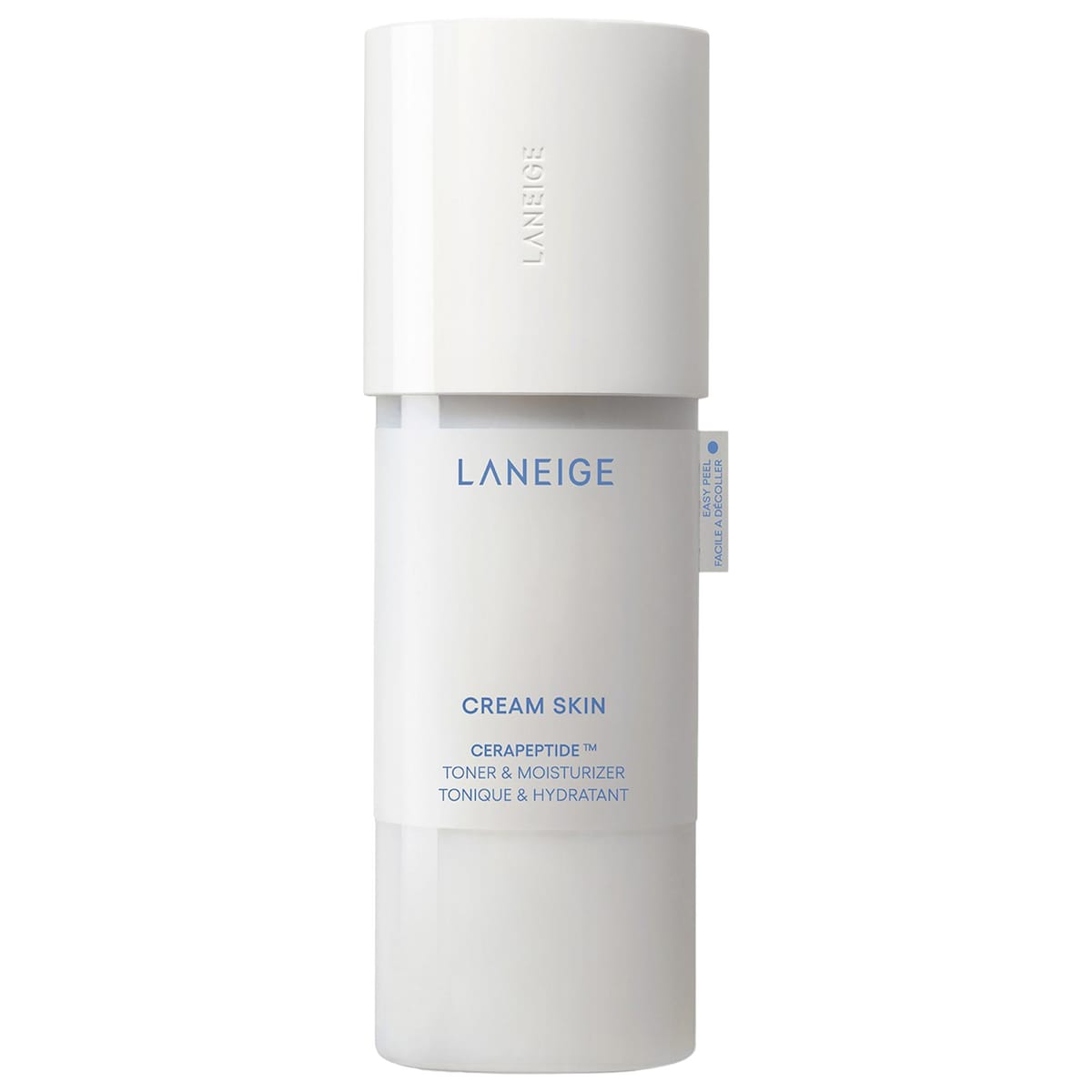
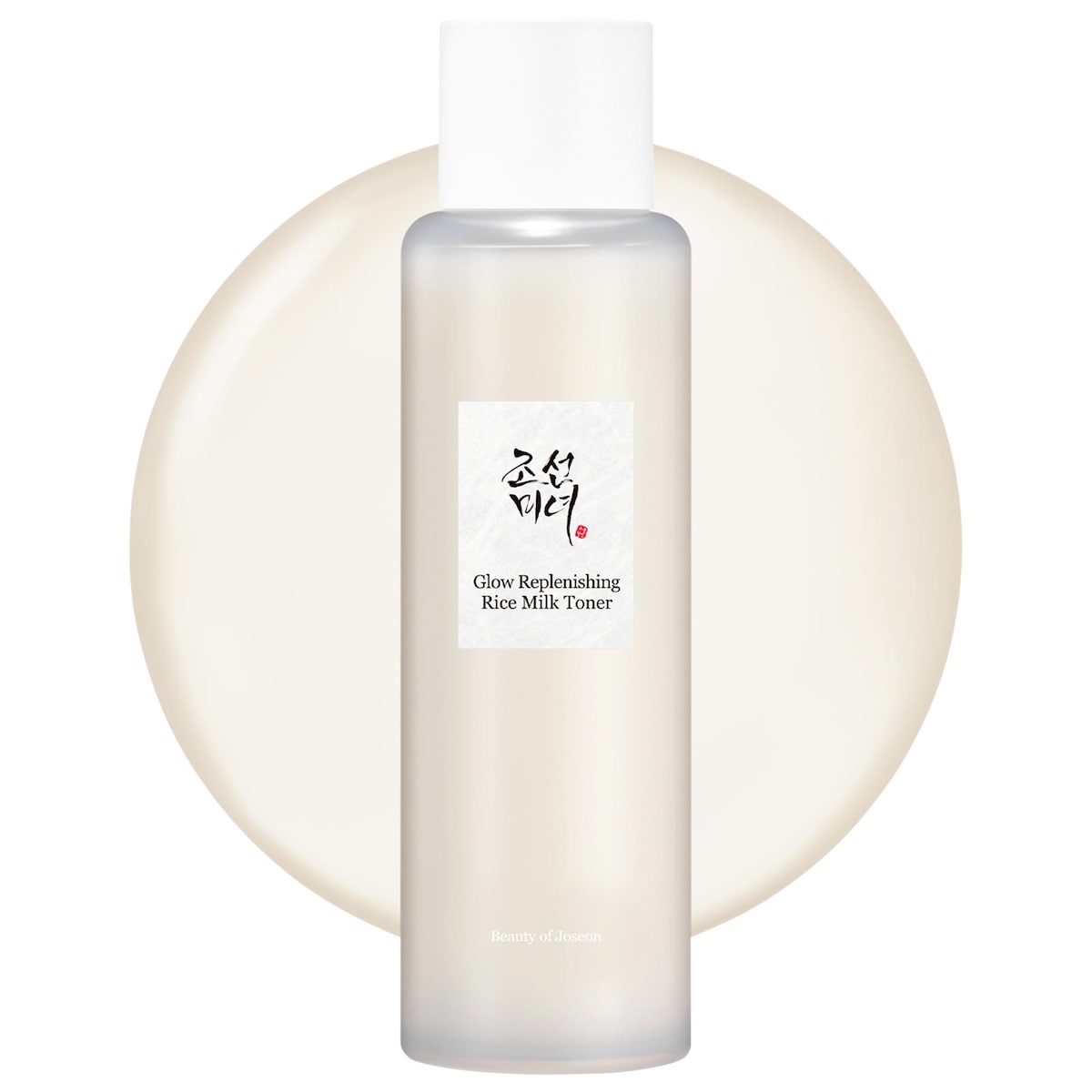
This is the step that most guides mention without really explaining why it matters.
A good hydrating toner or essence spreads hydration across the routine instead of forcing one serum and one moisturizer to do all the work. That usually makes skin look less flat and more comfortably reflective.
If your skin runs dry, LANEIGE Cream Skin is the stronger fit. If your skin is combination or oilier, Beauty of Joseon Glow Replenishing Rice Milk is often the smarter lane because it gives hydration without the heavier, creamier feel.
Use this step when:
- your skin feels dry soon after cleansing
- your glow disappears before lunch
- sunscreen or makeup catches on rough texture
- your face looks tired even when it is not actively breaking out
One of the biggest mistakes in published guidance is assuming every face needs the richest prep layer possible. That is how some people end up looking coated instead of glassy.
If you want more toner-specific options, best Korean toners at Sephora for glass skin (2026) is the better next read.
3. Use one hydrating serum before you start collecting active serums
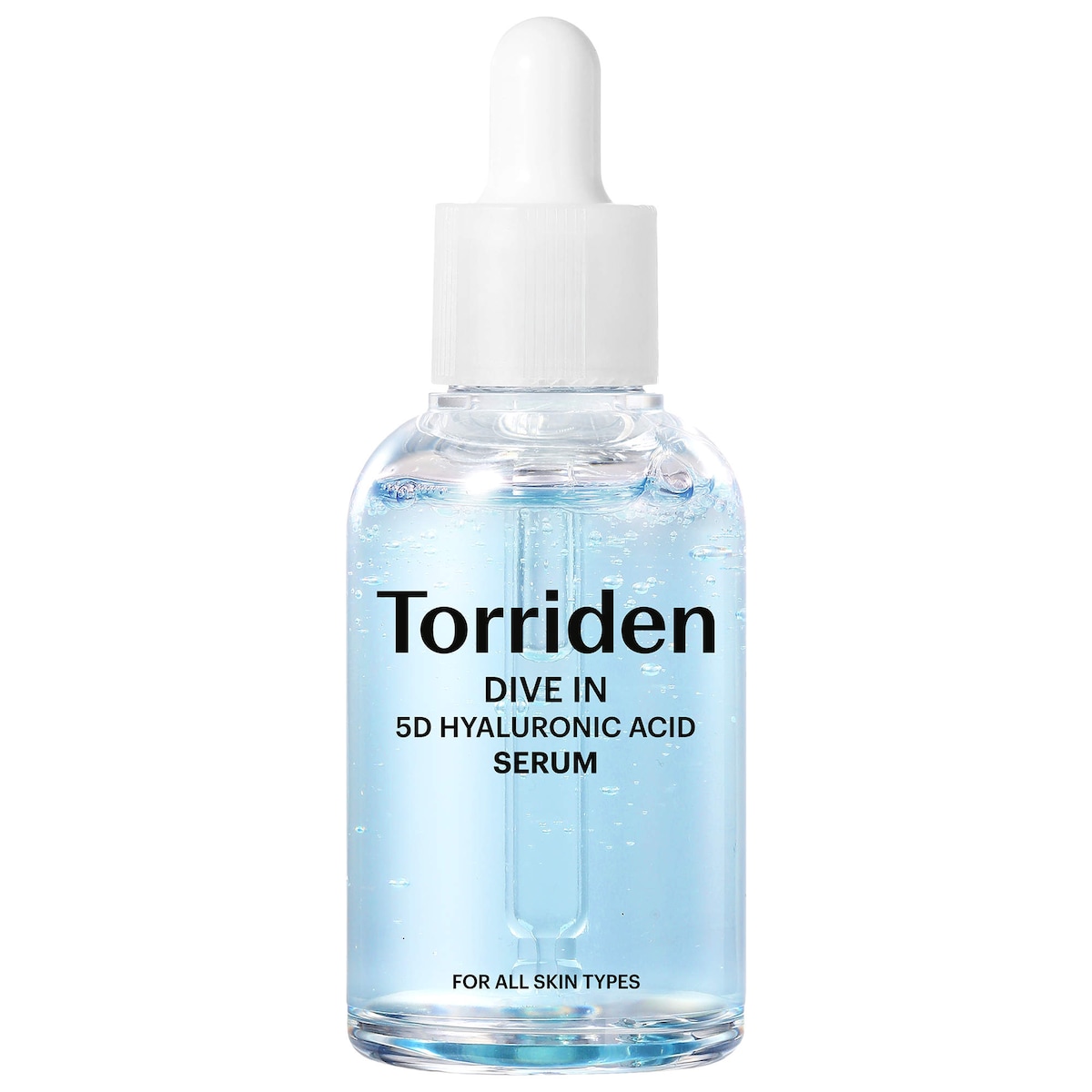
This is where the routine starts making visual sense.
Glassy skin is partly about radiance, but the more important shift is usually plumpness plus smoother-looking texture. Skin reflects light better when it is better hydrated and less rough on the surface.
That is why Torriden DIVE IN 5D Hyaluronic Acid Ultra Hydrating Serum earns a place here. It stays focused on the hydration job. It is not trying to exfoliate, brighten, calm redness, and erase every mark at the same time.
Use this step when:
- your skin looks dull from dehydration
- fine texture shows up more by the end of the day
- your face needs cushion more than correction
- you want a serum that plays well with the rest of the routine
This is also where a lot of people overspend. They buy multiple “fix” serums when the real missing step was a calm, hydrating serum all along.
If you are deciding between a hydrating serum and a niacinamide serum, niacinamide vs hyaluronic acid for glass skin is the cleanest comparison. If you want more options in this exact lane, go to best hydrating serums at Sephora for glass skin.
4. Add a balancing serum only if your skin has a real reason for one
This is where most glassy-skin routines get too crowded.
You do not automatically need a second serum. Add one only if you are solving a specific problem, like:
- oily T-zone with dehydrated cheeks
- uneven tone after breakouts
- skin that looks dull because it is out of balance, not just dry
- congestion that gets worse with heavier glow products
That is where Beauty of Joseon Glow Serum for Oil Control with Niacinamide makes sense. It helps when the problem is balance and tone, not a lack of hydration.
Skip this step if:
- your skin is currently reactive
- your barrier already feels shaky
- you use other strong actives elsewhere in the routine
- you still have not fixed dryness or dehydration first
This is one of the biggest differences between a good routine and a cluttered one. Good routines solve the next most important problem. Cluttered routines try to solve all of them at once.
5. Use the moisturizer that matches your finish goal, not the trendiest one
Moisturizer is where a lot of people confuse glow with grease.
The right moisturizer helps skin look smooth, comfortable, and softly reflective. The wrong one either disappears too quickly or sits on the skin like a heavy film.
If your skin is normal to dry, LANEIGE Water Bank Blue Hyaluronic Cream is the safer middle lane. If your skin is combination or oily, Skinfix Barrier Balancing Water Cream often makes more sense because it gives support without making the finish feel too dense.
Choose based on feel:
- if your skin feels tight and thirsty, go a little richer
- if it gets greasy quickly, go lighter but do not skip moisturizer
- if your routine pills under SPF, you may be over-layering underneath
That last part matters because plenty of people blame sunscreen when the real issue is a routine that already got too thick before the last step showed up.
If moisturizer is the hardest category for you to get right, best moisturizers at Sephora for glass skin (2026) is the more detailed breakdown.
6. Wear sunscreen every morning or the routine starts losing ground
Every credible source I reviewed lands in the same place, and the AAD still says the same thing: choose a sunscreen with broad-spectrum protection, SPF 30 or higher, and water resistance when appropriate.
That is not just generic skincare advice. It is directly tied to the glassy-skin goal.
Without sunscreen, it gets harder to maintain even tone, smoother-looking texture, and the calmer skin surface that makes light bounce more evenly.
innisfree Daily UV Defense SPF 50+ earns its place because it is easy enough to repeat. That matters more than a theoretically perfect sunscreen that you hate by day three.
If sunscreen is where your routine keeps falling apart, the issue is usually one of these:
- too many layers underneath
- too much moisturizer for your skin type
- not enough time between steps
- a texture mismatch between the routine and the SPF
If you need a more makeup-friendly SPF shortlist, read best sunscreens at Sephora under makeup.
How to make the routine look glassy instead of greasy
This is the part most people actually need help with.
If your skin keeps looking greasy instead of healthy, usually one of these is happening:
- you are using richer products than your skin type needs
- you are layering too many hydrating products at once
- your skin is dehydrated, so it looks shiny and dull at the same time
- your barrier is irritated, so the surface never really settles
The fix is usually not “add a mattifying product.” It is one of these:
- lighten the toner or moisturizer
- keep one hydrating serum instead of two
- stop over-exfoliating
- make sunscreen easier to wear
- give your routine enough time to settle between steps
That is also why “glassy skin” and “healthy skin” are not exactly the same phrase, but they overlap much more than social media suggests. The calmer and more balanced your skin looks, the less you have to chase the finish itself.
The most common mistakes that stop people from getting glassy skin
1. Using actives before fixing dehydration
If your skin is thirsty, adding exfoliants and brightening serums too early usually creates more texture, not less.
2. Cleansing like you are trying to erase your face
That squeaky-clean feeling is not the goal. It is often the start of the problem.
3. Buying products for “glow” instead of buying for fit
The best glassy-skin products are not always the richest or most luminous-looking ones. They are the ones your skin will actually tolerate and repeat.
4. Skipping moisturizer because you are afraid of grease
Dehydrated skin can still look oily. Skipping moisturizer does not always fix that. Sometimes it makes the whole routine less stable.
5. Treating sunscreen like an optional bonus
If you want smoother, more even-looking skin over time, sunscreen is part of the routine, not the afterthought.
FAQ
How long does it take to get glassy skin?
If your routine is a better fit, you can often see a difference in comfort and surface hydration within a few days. Texture, tone, and consistency usually take longer, often several weeks. The exact timeline depends on whether the main issue is dehydration, barrier damage, uneven tone, or all three.
Do I need 10 steps to get glassy skin?
No. Most people do better with a tighter routine that they can actually repeat. A six-step routine with the right products usually beats a 10-step routine that feels heavy, sticky, or exhausting.
What is the best routine order for glassy skin?
For most people it is: cleanser, hydrating toner or essence, hydrating serum, optional balancing serum, moisturizer, and sunscreen in the morning.
Can oily skin still look glassy?
Yes. Oily skin can still look glassy, but it usually needs lighter hydration layers and better balance instead of richer creams everywhere. If that sounds like you, glass skin routine for oily skin (2026) is the better branch.
What should I read next if my skin is dry instead of oily?
Start with glass skin routine for dry skin if the main problem is tightness, dullness, and dehydration. If you want the broader structure first, glass skin care routine (April 2026) is the better overview.
Final takeaway
The best answer to how to get glassy skin in April 2026 is not to keep adding steps until your routine looks impressive.
It is to make the routine calmer, more hydrating, and easier to repeat:
- a gentle cleanse
- one hydrating prep layer
- one hydrating serum
- one balancing step only if needed
- the right moisturizer
- sunscreen every morning
That is what moves skin closer to the glassy look without dragging it into the greasy, irritated, over-handled version that so many guides quietly encourage.
If you want the next step after this article, go to glass skin regimen (April 2026), best products for glass skin (April 2026), or how to get glass skin naturally (April 2026).