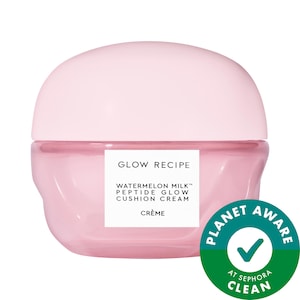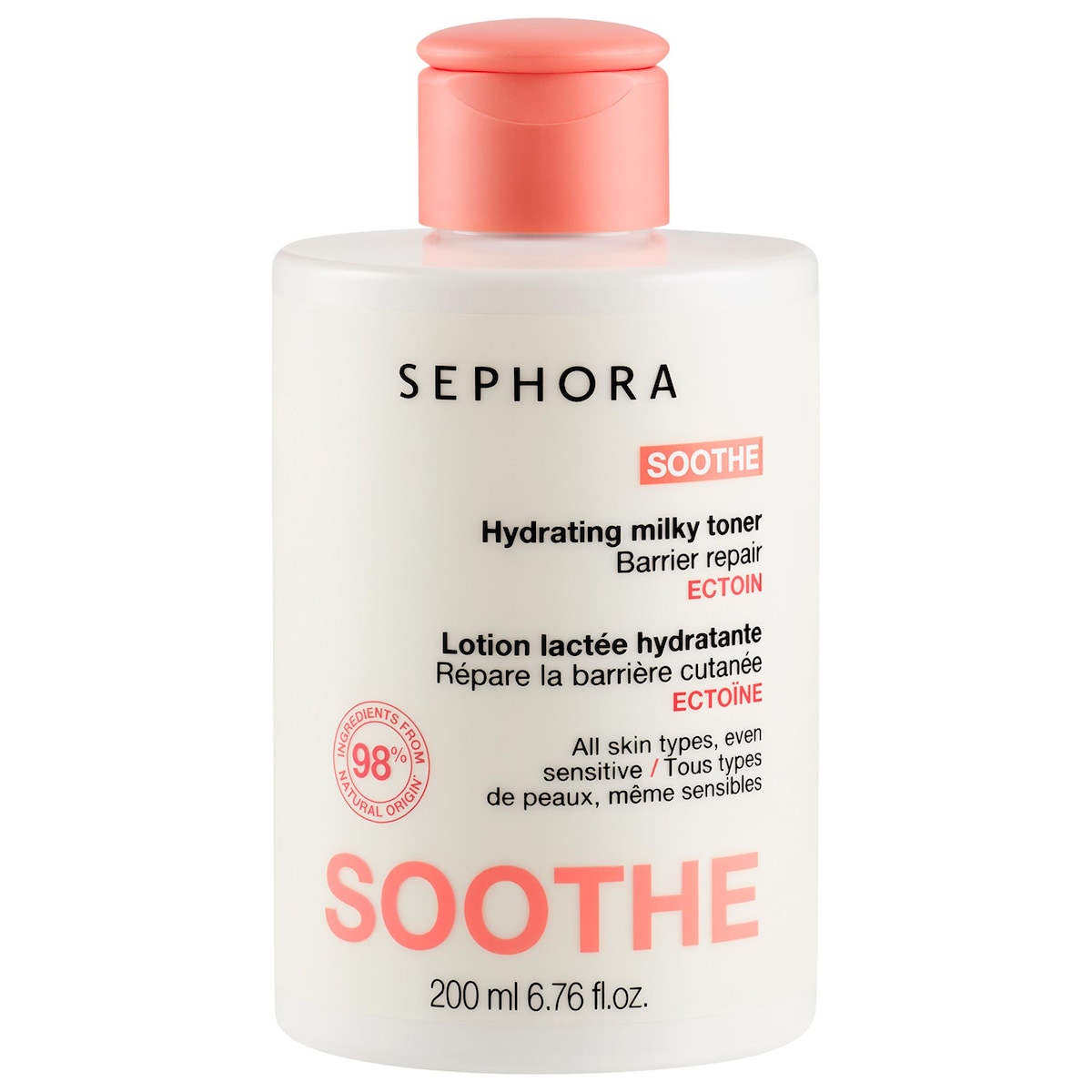

My skin looked moisturized.
It did not feel moisturized.
That was the confusing part. I could put on a thick cream, wait ten minutes, look in the mirror, and see a soft finish. Then an hour later my cheeks would feel tight again. Not flaky enough to look dramatic. Not irritated enough to panic. Just dry in that low-grade, distracting way where smiling feels slightly uncomfortable.
So I kept buying richer creams.
That helped for a few nights. Then the same thing happened again.
The fix was not a heavier moisturizer. It was learning that tight skin after moisturizer usually means one of three things: the routine is losing water too fast, the cleanser is making the cream work harder than it should, or the barrier is annoyed enough that even normal products feel wrong.
Once I stopped asking one moisturizer to solve all three problems, my routine finally started making sense.
The quick reset I would try first
If your face feels tight after moisturizer, I would not start by buying the richest cream in the store.
I would start here for seven nights:
| Step | What to do | Why it helps | What to pause |
|---|---|---|---|
| Cleanse | Use a gentle cleanser once at night | Removes the day without creating that stripped feeling | Scrubs, strong foaming cleansers, hot water |
| Hydrate | Apply one watery or milky layer while skin is slightly damp | Gives moisturizer something to seal in | Three toners stacked because one felt good |
| Moisturize | Use a cream with enough cushion for your skin type | Replaces comfort and supports the barrier | Lightweight gel cream if you wake up tight |
| Seal | Add a balm only on tight patches | Slows moisture loss where you actually need it | Slugging your whole face if it breaks you out |
| Track | Notice how skin feels after 20 minutes and the next morning | Shows whether the routine is actually holding | Changing products every night |
That order matters.
Dry skin usually does better when hydration and moisture are treated as two separate jobs. A serum, essence, or milky toner can help with the water-feeling part. A cream helps with the comfort and seal. A balm can protect the corners that keep cracking or pulling.
When I skipped the hydration layer and went straight to cream, the routine often looked fine but did not hold.
The product lanes that make the most sense
This is not a shopping list. It is a way to choose the missing role instead of buying another random moisturizer.
| Product | Image | Best role | Good fit | Skip if |
|---|---|---|---|---|
| AESTURA ATOBARRIER365 Gentle pH-Balancing Foaming Cleanser | 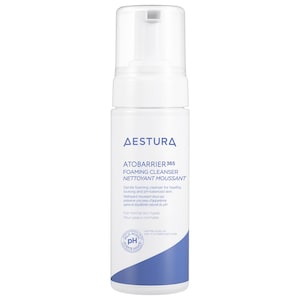 | Calmer night cleanse | Skin that feels tight after washing | Your skin burns with every cleanser right now |
| LANEIGE Cream Skin Milky Toner |  | Milky hydration layer | Tight, flat, dry skin that needs more comfort before cream | Skin that dislikes a soft milky finish |
| Torriden DIVE IN 5D Hyaluronic Acid Ultra Hydrating Serum | 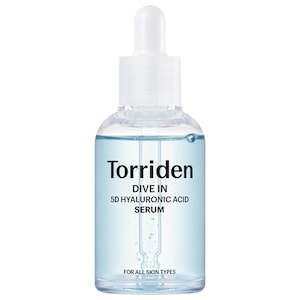 | Water-binding serum | Dehydrated skin that looks dull and flat | Skin that gets sticky from hyaluronic acid layers |
| AESTURA ATOBARRIER365 Cream Moisturizer | 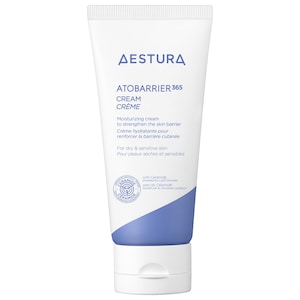 | Barrier cream | Dry, depleted, treatment-tired skin | Very oily skin that hates richer creams |
| Kiehl's Ultra Facial Overnight Hydrating Face Mask |  | Overnight cushion | Dry skin that wakes up tight even after cream | Congestion-prone skin that dislikes heavier masks |
| Experiment Buffer Jelly | 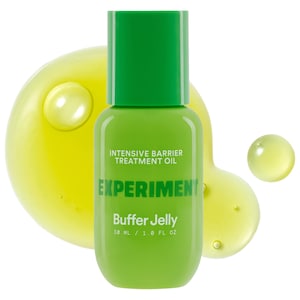 | Patch sealing | Corners of mouth, cheeks, windburned spots | Acne-prone areas that clog under occlusive layers |
The point is role clarity.
If your cleanser is stripping, a more expensive moisturizer has to compensate for a mistake from step one. If your routine has no hydration layer, the cream may sit nicely on top while the skin still feels thirsty underneath. If your barrier is already irritated, adding acids or retinoids over the problem usually makes the tightness feel sharper.
I like solving the first broken role before buying the second version of something I already own.
Why skin can feel tight even when it looks shiny
This is the part that made me stop trusting the mirror alone.
Skin can look moisturized because there is product on top of it. That does not always mean the skin is comfortable underneath. A rich cream can leave a sheen, but if the water-binding step is missing, or if the skin barrier is losing water too quickly, the comfort can fade fast.
That is why tight skin can look confusing.
It may look smooth.
It may even look a little glowy.
But it still feels like it is pulling.
When that happens, I do not immediately think, "I need more product." I think, "Which part of the routine is not holding?"
For me, the usual suspects are:
- cleansing too strongly at night
- applying moisturizer to skin that is completely dry and already tight
- using a gel moisturizer when my skin needs cream
- layering retinoid or exfoliating acid too often
- using a hydrating serum without enough cream on top
- using a heavy cream but no lighter hydration underneath
- sleeping in dry air without sealing the most vulnerable spots
That list sounds simple. It is also where most routines break.
The cleanser test
The first test is the least glamorous one.
Wash your face at night. Pat it gently so it is not dripping. Wait one minute.
If your face already feels tight before anything else touches it, the cleanser may be making the whole routine harder.
That does not mean cleanser is bad. It means the cleanser has to match the job. At night, I still want sunscreen, makeup, sweat, and the day removed. I do not want the "squeaky clean" feeling. That finish used to make me feel like I had done something productive. Now I treat it as a warning sign.
Dry skin usually needs a cleanser that leaves the face ready for skincare, not desperate for rescue.
If you wear heavy sunscreen or makeup, the answer is not scrubbing harder with one cleanser. Use a first cleanse that dissolves the layer, then a gentle second cleanse if needed. If you do not wear much, one gentle cleanse may be enough.
The skin should feel clean.
Not polished raw.
Apply hydration before the tightness sets in
I used to wait too long after cleansing.
I would wash, dry my face completely, brush my teeth, answer a message, then come back to skincare once my cheeks already felt tight. By that point, my moisturizer had to work against a dry starting point.
Now I move faster.
Not frantic. Just intentional.
After cleansing, I leave the skin slightly damp and apply one hydration layer. For dry skin, that can be a milky toner, a simple hydrating serum, or an essence that does not sting. I do not need five. I need one that makes the moisturizer land better.
This is where skin flooding can be useful if you do it calmly. The point is not to drown your face in layers. The point is to give dry skin water, then seal it before it disappears.
If hyaluronic acid makes your skin feel tighter in very dry air, do not force it. Some people do better with glycerin, panthenol, beta-glucan, aloe, milky toners, or a moisturizer applied sooner. Ingredient rules are useful until your face tells you they are not.
Use cream where cream is actually needed
Dry skin does not always need the thickest product possible.
But it often needs more than a gel.
That was one of my mistakes. I liked elegant textures. I liked moisturizers that disappeared fast. I liked the feeling of a clean finish. Then I wondered why my cheeks felt tight at midnight.
For dry skin, a night cream should leave a little comfort behind. Not a heavy film everywhere. Not a greasy layer that makes you want to wash again. Just enough cushion that your skin is not asking for help twenty minutes later.
If your current moisturizer vanishes too quickly, try changing the amount before changing the product. Use a normal layer on most of the face, then add a second thin pass only where you get tight. Cheeks, mouth corners, under the nose, and between the brows often need more than the T-zone.
That small adjustment can make a routine feel custom without becoming complicated.
Sealing is for patches, not punishment
I understand why people get into slugging.
When skin feels dry, sealing everything in sounds logical. Sometimes it works beautifully. Sometimes it turns a dry-skin routine into a clogged, sweaty mess.
I prefer targeted sealing.
After moisturizer, I add a balm only where the skin keeps pulling. Mouth corners. Cheek patches. The flaky edge beside the nose. A small dry spot from wind or retinoid irritation.
That does two things. It protects the vulnerable areas without turning the whole face into an occlusive experiment, and it makes it easier to see what actually helped.
If your whole face is dry, you may need a richer cream. If only three spots are dry, those spots may need a seal.
Different problem. Different fix.
When moisturizer burns
A quick sting from a product can happen. Persistent burning is different.
If moisturizer burns every night, I do not treat that as normal skincare drama. I take it as information. The barrier may be irritated, the cleanser may be too harsh, an active may be too frequent, or the formula may simply not agree with your skin.
My reset for that situation is boring on purpose:
- Pause exfoliating acids, retinoids, strong vitamin C, scrubs, and masks.
- Cleanse only at night with the gentlest cleanser you tolerate.
- Use one bland hydration layer if it does not sting.
- Use one moisturizer that has worked before or is clearly barrier-focused.
- Seal only the sore patches.
I would rather lose a week of "progress" than spend a month repairing a routine I pushed too hard.
If burning is severe, swelling appears, a rash spreads, or your skin is painful, that is not a blog-routine problem. That is a reason to talk to a clinician.
The seven-night routine I would run
This is the exact structure I would use before buying anything else.
Night 1 and 2: remove friction
Cleanse gently. Add one hydration layer. Moisturize. Seal tight patches.
No acids. No retinoids. No masks. No testing samples because they were sitting in a drawer and looked tempting.
The goal is to see how your skin behaves when the routine stops interrupting it.
Night 3 and 4: adjust the cream
If the skin still feels tight after twenty minutes, add a little more moisturizer to the dry zones only.
If it feels greasy but still tight, do not automatically add more cream. That can mean the routine needs a better hydration layer underneath, not more weight on top.
If the skin feels calmer, keep going.
Night 5 and 6: decide whether sealing is needed
Use balm only on the patches that keep getting tight.
This is where you learn whether the problem is whole-face dryness or localized moisture loss. That distinction saves money.
Night 7: review the pattern
Ask the useful questions:
- Does my face feel tight immediately after cleansing?
- Does the tightness show up after moisturizer absorbs?
- Do I wake up dry even when the routine felt good at bedtime?
- Are only certain spots tight?
- Did anything sting less after I paused actives?
The answers tell you what to change next.
What I would not do anymore
I would not keep exfoliating because the flakes are annoying.
Dry flakes can be dead skin buildup. They can also be irritation. If every moisturizer burns and the face feels hot or tight, more exfoliation is usually the wrong first move.
I would not keep switching moisturizers every three nights.
That makes it almost impossible to know whether the cream failed or the rest of the routine failed around it.
I would not judge a night routine by how glossy it looks immediately.
The better test is how your skin feels after twenty minutes and how it feels when you wake up.
I would not use a drying cleanser and then call my skin "high maintenance."
Sometimes skin is not dramatic. Sometimes step one is just too aggressive.
Where Glass fits into this
The hard part is not understanding the routine once it is written down.
The hard part is remembering what you changed.
That is where I like using Glass. When dry skin is acting confusing, tracking the routine matters more than adding another product. Log the cleanser, the hydration layer, the moisturizer, the active nights, and the mornings when your skin wakes up tight. After a couple of weeks, the pattern usually gets louder.
Maybe the tightness follows retinol.
Maybe it follows your cleanser.
Maybe it follows skipping the milky layer.
Maybe it shows up only when the weather gets dry or you sleep badly.
You cannot see that pattern if every night is a new experiment.
The bottom line
If your skin feels tight after moisturizer, do not assume your moisturizer is automatically too weak.
It might be.
But the routine might also be missing the layer that gives the cream something to seal. The cleanser might be leaving your skin too stripped. Your active schedule might be making normal products sting. Or only a few patches might need a seal while the rest of your face needs less.
The fix is usually smaller than a full routine rebuild.
Cleanse gently.
Hydrate before the tightness sets in.
Use enough cream.
Seal only where needed.
Stop changing everything at once.
That is not the flashiest version of skincare. It is the version that finally helped my dry skin feel calm after moisturizer instead of just looking fine for ten minutes.
FAQ
Why does my skin feel tight after moisturizer?
Skin can feel tight after moisturizer when the cleanser is too stripping, the routine lacks a hydrating layer, the moisturizer is too light, dry patches need a seal, or the skin barrier is irritated from actives. Start by simplifying the night routine before buying a much heavier cream.
Should I put moisturizer on damp skin?
For dry skin, moisturizer often works better when applied after a gentle hydration layer or while skin is still slightly damp. Do not leave the face dripping, but avoid waiting until your skin already feels tight.
Is slugging good for tight dry skin?
Slugging can help some dry patches, but it is not always the best whole-face answer. I prefer targeted sealing on the tight spots first, especially if you are prone to clogged pores or dislike heavy finishes.
Should I stop retinol if moisturizer burns?
Pause retinol if moisturizer burns repeatedly, especially if your skin also feels tight, hot, flaky, or raw. Restart only after the skin feels calm, and bring it back slowly with more recovery nights between uses.
What should I read next?
If this sounds like your routine, start with skin barrier repair routine, night skincare routine for dry skin, and best Sephora moisturizers for dry skin. If you want to understand the water-layer side better, read niacinamide vs hyaluronic acid for glass skin.