
My skin did not need more drama.
It needed water.
That sounds too simple until your face feels tight after cleansing, your moisturizer seems to disappear in ten minutes, and your makeup catches on little dry patches even though you swear you are doing everything right.
That is usually when skin flooding starts sounding tempting.
The idea is easy to love: layer hydration onto damp skin, then seal it in before it has a chance to leave. Done well, it can make dry or dehydrated skin look softer, calmer, and more awake by morning. Done badly, it becomes another sticky routine with too many steps and no clear reason for any of them.
I think the better version is smaller.
Not seven layers. Not every toner you own. Not a shiny face for the sake of a shiny face.
Just a simple sequence that gives dry skin what it keeps asking for: gentle cleansing, water support, a humectant layer, barrier comfort, and a final seal that actually holds.
The quick version
For most people, the best skin flooding routine in 2026 looks like this:
- Cleanse gently, or rinse if your skin is already clean.
- Leave the skin slightly damp.
- Apply a hydrating toner or milky essence.
- Add one humectant serum, like hyaluronic acid or glycerin.
- Use a barrier-support moisturizer.
- Add a thin occlusive layer only on the driest areas.
That is enough.
If your skin is oily, acne-prone, or easily clogged, keep the layers lighter and skip the heavy final seal. If your skin is dry, tight, flaky, or barrier-tired, the final moisturizer step matters more than the serum step.
The part people get wrong is treating skin flooding like a competition. More layers do not automatically mean more hydration. At some point, more layers just mean more product sitting on top of your face.
My 2026 skin flooding shortlist
| Image | Step | Product | Best for | Why it fits |
|---|---|---|---|---|
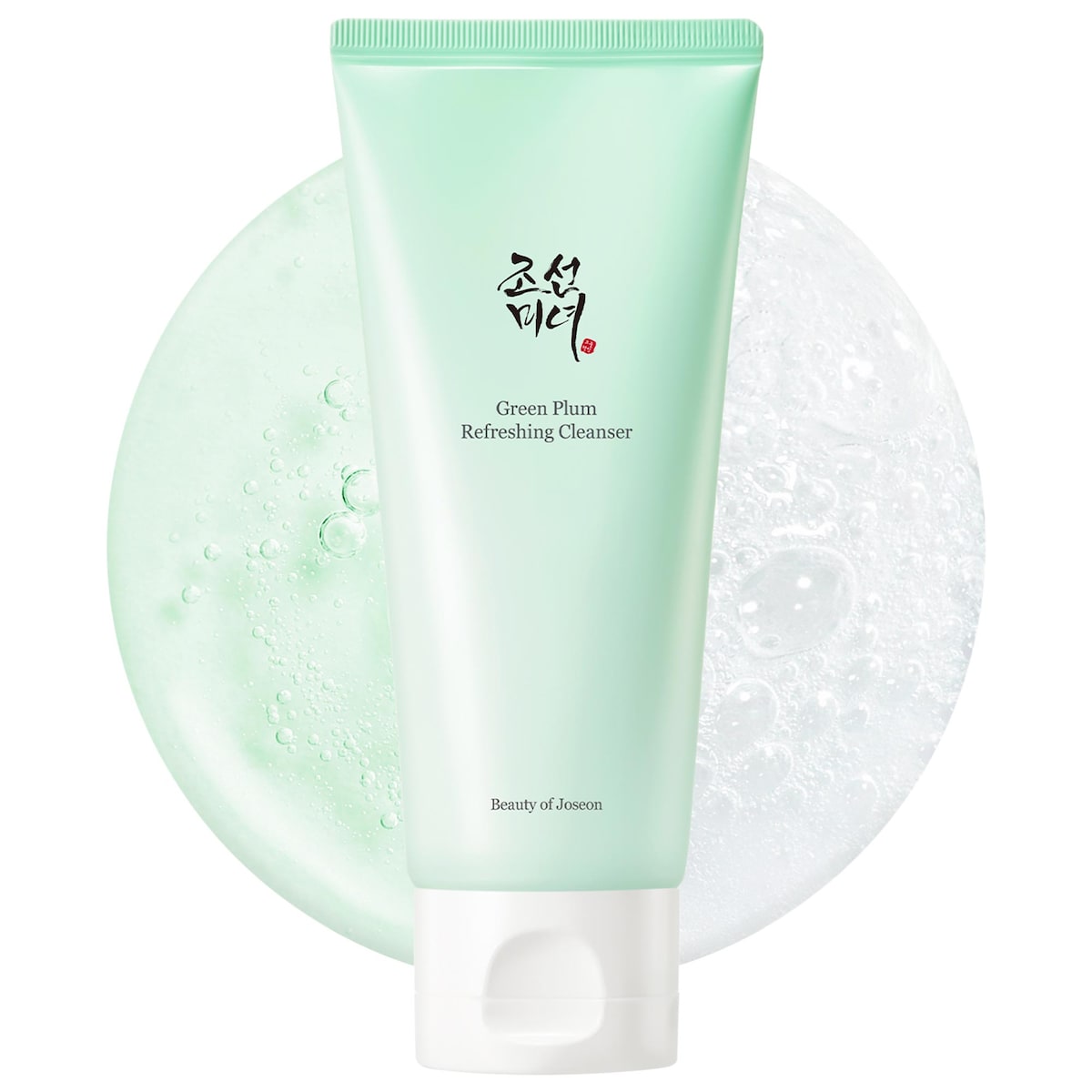
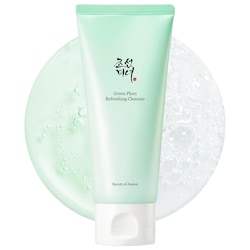 | Cleanse | Beauty of Joseon Green Plum Refreshing Cleanser for Gentle Daily Wash | Dry skin that gets tight after washing | A low-drama cleanse that does not make the hydration steps work harder |
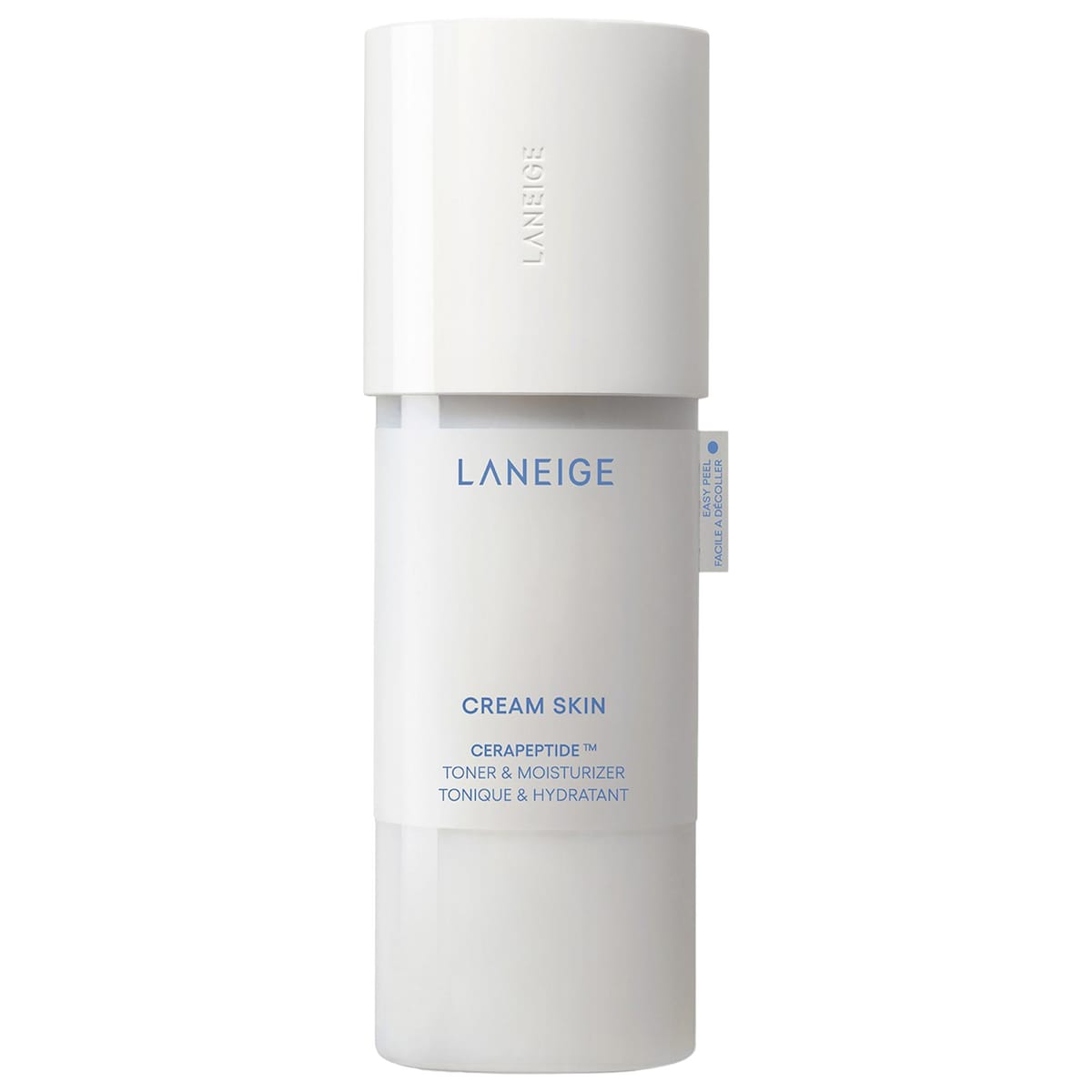
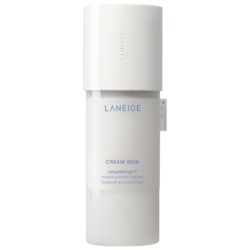 | First hydration | LANEIGE Cream Skin Milky Toner with Ceramides & Peptides for Nourishing Hydration | Tight, dull, comfort-starved skin | The easiest first layer when your routine always feels one step short |
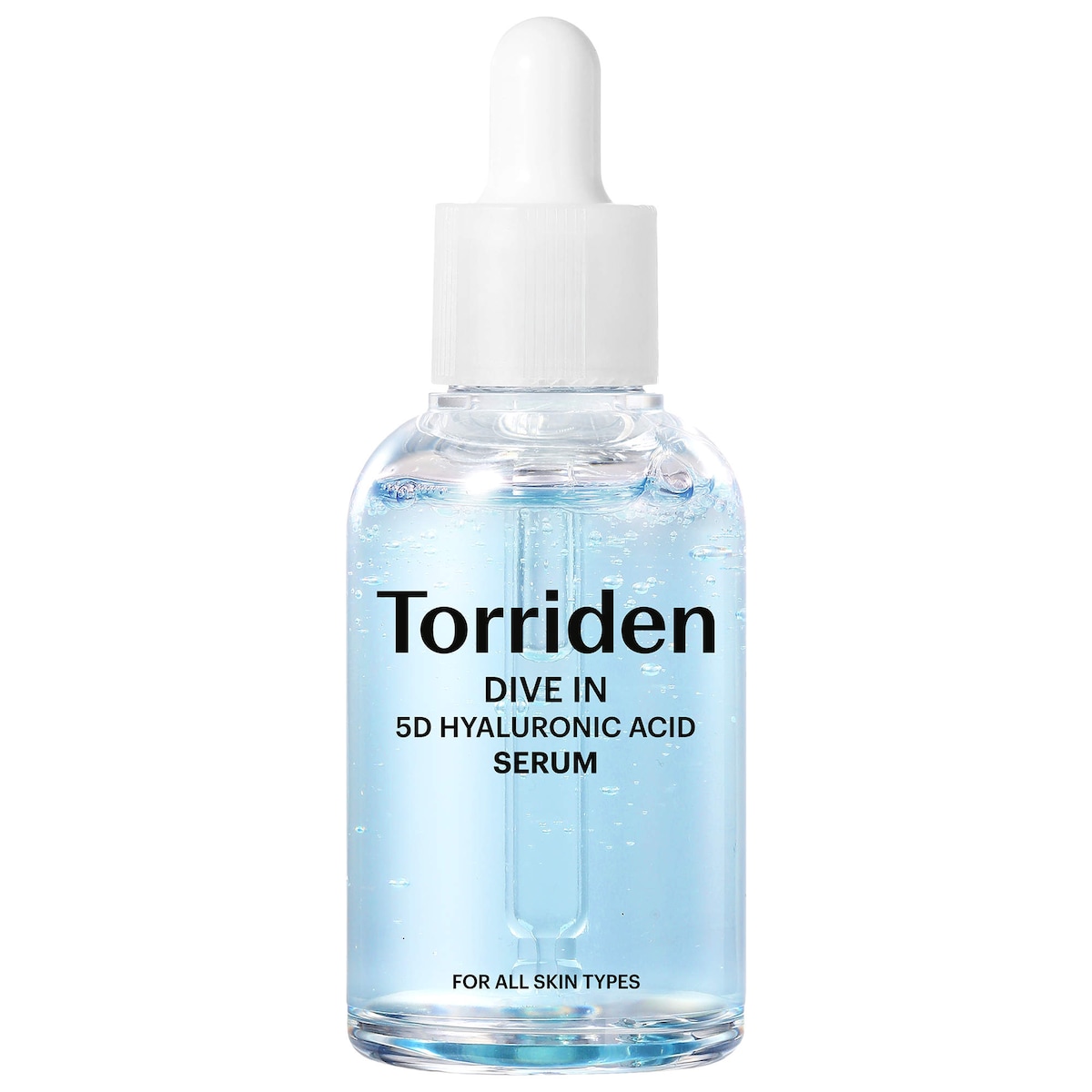
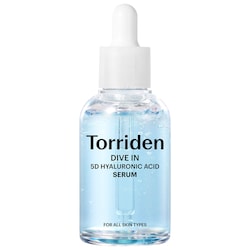 | Humectant serum | Torriden DIVE IN 5D Hyaluronic Acid Ultra Hydrating Serum for Plump & Glow Skin | Dehydrated skin that looks flat | A clean water-support step without turning the routine into a treatment stack |
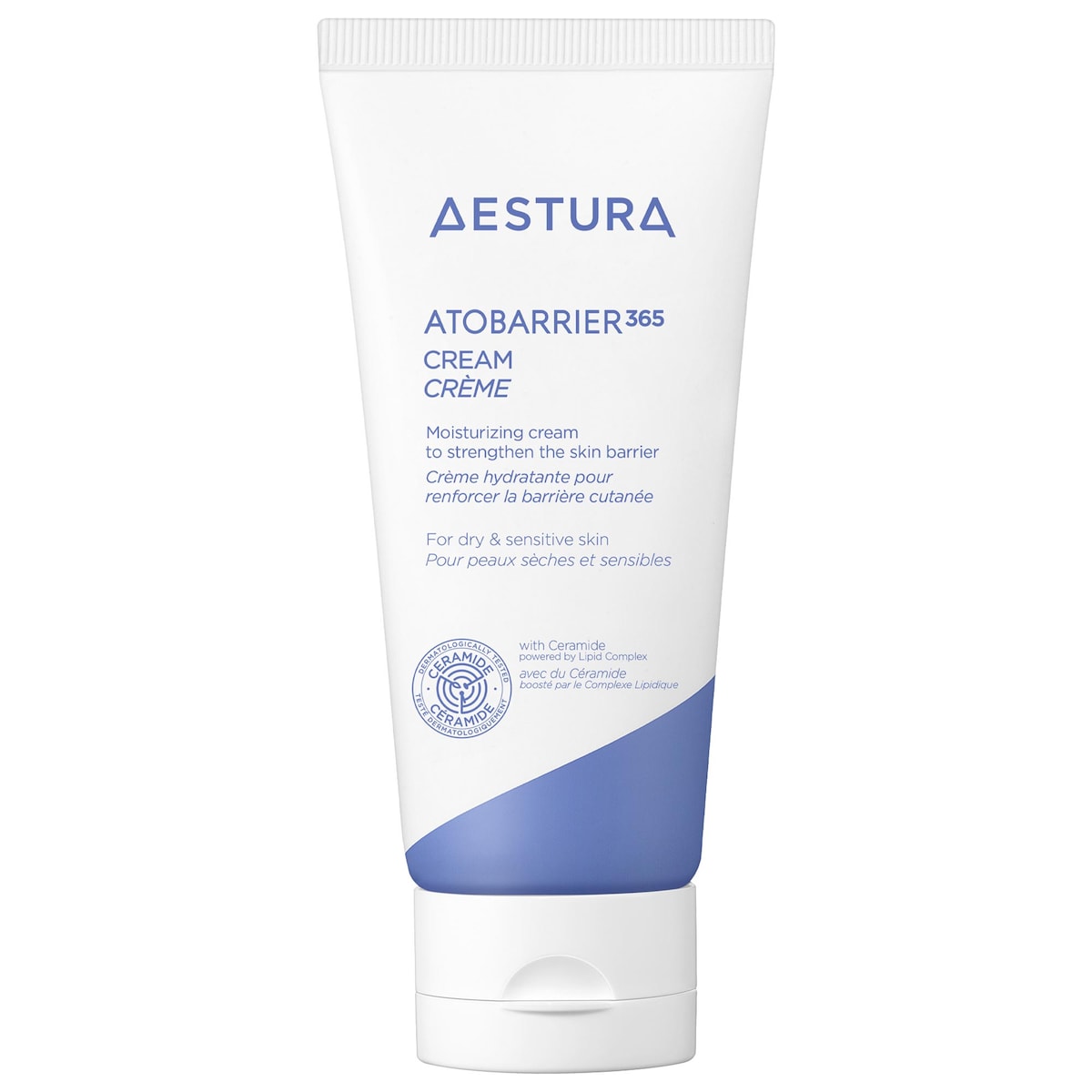
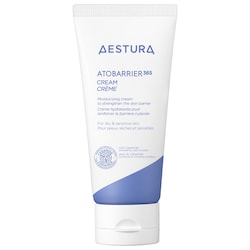 | Barrier cream | AESTURA ATOBARRIER365 Cream Moisturizer with Ceramides & Niacinamide for Skin Moisture Barrier Repair | Dry, depleted, reactive skin | The cream that makes flooding feel useful instead of just wet |
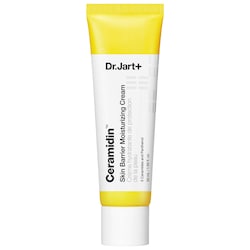 | Rich seal | Dr. Jart+ Ceramidin Skin Barrier Moisturizing Cream | Skin that wants cushion at night | A better fit when your face needs comfort more than a lightweight finish |
What skin flooding actually is
Skin flooding is layered hydration.
That is the cleanest way to say it.
You apply water-attracting and water-supporting products while the skin is still slightly damp, then finish with a moisturizer that helps keep the whole routine from evaporating into nothing. The method usually uses humectants like hyaluronic acid and glycerin, plus barrier-friendly ingredients like ceramides, peptides, squalane, or niacinamide.
The best version is not complicated. It is just ordered correctly.
The skin should not be soaking wet. It should not be bone dry either. Slightly damp skin gives your hydrating layers something to work with, while moisturizer gives them somewhere to stay.
That last part is the difference between skin flooding and just making your face wet.
The mistake I kept making
I used to think dry skin needed a stronger product.
Sometimes it does.
But a lot of the time, dry-looking skin is not asking for a stronger active. It is asking for better timing. I would cleanse, dry my face completely, answer a text, walk around for a minute, then apply serum to skin that already felt tight. By the time moisturizer went on, I was trying to recover comfort instead of preserving it.
Skin flooding works better when you move faster.
Cleanse. Pat until damp, not dry. Add the first hydration layer. Add the serum. Moisturize. Stop.
That tiny shift matters more than adding three extra bottles.
Step 1: Start with a cleanser that does not steal the whole routine
The cleanser is where a skin flooding routine either starts working or starts compensating.
If your face feels tight before the hydrating products even touch it, you are already behind. You can still flood the skin after a stripping cleanse, but now your toner and serum are trying to undo damage instead of building comfort.
That is why I like Beauty of Joseon Green Plum Refreshing Cleanser as the example here. It belongs to the gentle daily lane. It is not trying to resurface your face, degrease it into submission, or make your skin feel squeaky.
Use a gentler cleanser if:
- your cheeks feel tight within a minute of rinsing
- moisturizer stings after you wash
- your skin looks shiny but still feels dry
- retinol or acids suddenly feel harsher than they used to
On mornings when your skin already feels clean, you may not need a cleanser at all. A rinse can be enough. At night, especially after sunscreen or makeup, cleanse properly but keep it gentle.
If this is the part of your routine that keeps failing, best Sephora cleansers for dry skin is the cleaner next read.
Step 2: Keep the skin damp, not dripping
This is the least glamorous step and probably the most important one.
After cleansing, I do not fully towel-dry my face anymore when I am trying to flood hydration. I pat lightly, then go straight into the first hydrating layer while my skin still has a little slip.
There is a balance.
Too wet, and products slide around without settling. Too dry, and the whole method loses its point. Slightly damp is the sweet spot.
If you live somewhere dry, this matters even more. Desert air, indoor heating, and aggressive air conditioning can make a routine feel like it vanishes fast. In that case, the damp-skin timing plus a real sealing step becomes more important than buying another serum.
Step 3: Use a milky toner or essence before serum
This is where skin flooding starts to feel different from a normal routine.
A toner or essence gives the skin that first soft layer before serum. I prefer something milky or cushiony for dry skin because it makes the next step feel less abrupt.
LANEIGE Cream Skin Milky Toner is the obvious Sephora example because it does the job without making the routine feel fussy. It is not a harsh toner. It is not an exfoliating step. It is the product I would use when my face feels like it needs comfort before correction.
Use one layer if your skin is normal to dry.
Use two thin layers if your skin is very dry or dehydrated.
Skip multiple layers if your skin is acne-prone and starts feeling coated. Skin flooding should make your face feel flexible and comfortable, not trapped under product.
Step 4: Add one humectant serum
This is the step people usually associate with skin flooding.
A humectant serum helps draw and hold water in the upper layers of the skin. Hyaluronic acid is the famous one, but glycerin, beta-glucan, panthenol, and other water-supporting ingredients can be useful too.
I would keep this step simple.
Torriden DIVE IN 5D Hyaluronic Acid Ultra Hydrating Serum makes sense because it has one clear job: help the skin look plumper and feel less thirsty. That restraint is useful. On a flooding night, I do not want the serum step to exfoliate, brighten, purge, tingle, and “renew” all at once.
Use a humectant serum if:
- your skin looks flat even after moisturizer
- makeup catches on fine dehydration lines
- your cheeks feel tight but not necessarily flaky
- your routine needs more water, not more oil
Skip it if your toner and moisturizer already solve the problem. A good skin flooding routine can be toner plus cream. The serum is helpful, not mandatory.
Step 5: Seal with a real moisturizer
This is where I think most skin flooding advice gets too casual.
The moisturizer is not just the final step. It is the step that decides whether the hydration holds.
If you layer toner and serum, then finish with a moisturizer that is too light for your skin, the whole routine can still feel gone by morning. If you finish with something too heavy for your skin, you may wake up clogged or irritated. The right cream depends on what your face does overnight.
For dry, depleted, treatment-tired skin, AESTURA ATOBARRIER365 Cream Moisturizer is the stronger example. It fits when your glow problem is really a barrier problem.
Use it if:
- your skin feels thin, tight, or easily annoyed
- you are recovering from too much exfoliation
- retinoids have made your face less tolerant
- your usual moisturizer is not lasting through the night
If you want more cushion, Dr. Jart+ Ceramidin Skin Barrier Moisturizing Cream is the richer lane. If you want something lighter, LANEIGE Water Bank Blue Hyaluronic Cream may feel easier.
Step 6: Add an occlusive only where you actually need it
This is where skin flooding and slugging overlap.
I do not think everyone needs to seal the entire face with an ointment. Some people love that. Some people wake up with congestion, heat, or tiny bumps. The more practical move is to use a thin occlusive layer only on the areas that keep losing moisture.
For me, that usually means:
- corners of the mouth
- sides of the nose
- cheek patches that flake first
- any irritated spot that needs protection, not more actives
Do not put a heavy occlusive over strong exfoliants or retinoids if your skin is already irritated. That can make an active feel more intense than you planned. On treatment nights, I would rather keep the routine steady and use the richer seal on recovery nights.
The best skin flooding routine by skin type
| Skin type | Best version | What to avoid |
|---|---|---|
| Dry skin | Milky toner, humectant serum, barrier cream, optional spot occlusive | Stopping at serum without a real cream |
| Dehydrated combination skin | Lightweight toner, one serum, gel-cream or water cream | Using rich layers everywhere when only the cheeks are dry |
| Sensitive skin | Fewer layers, fragrance-free comfort products, no actives that night | Flooding over irritation with too many new products |
| Acne-prone skin | Thin hydrating layers and a non-greasy moisturizer | Heavy full-face slugging if it clogs you |
| Retinoid users | Flood on recovery nights, or use a light moisturizer buffer | Layering too much under or over retinoids without watching irritation |
The table is not a rulebook. It is a way to avoid copying the wrong routine.
Dry skin and dehydrated skin overlap, but they are not always the same. Dry skin needs more oil and barrier support. Dehydrated skin needs more water support. Many people need both, which is why toner, serum, and cream can work so well together when the routine stays controlled.
When skin flooding is a bad idea
Skin flooding is not always the answer.
I would skip it or simplify it if:
- your skin is hot, itchy, or burning
- every product suddenly stings
- you just started a strong retinoid
- you are using exfoliating acids that night
- your acne gets worse with heavier layering
- you are adding three new products at once
The last one matters most.
If you start a new cleanser, toner, serum, cream, and ointment in the same week, you will not know what helped or what broke you out. A smarter approach is to add one layer at a time. Keep the routine boring enough that you can read your skin.
If your barrier already feels compromised, start with skin barrier repair routine before turning flooding into a full ritual.
The simple night version I would actually repeat
If I were building this for dry skin at night, I would keep it here:
- Beauty of Joseon Green Plum Cleanser
- LANEIGE Cream Skin while skin is damp
- Torriden DIVE IN serum if my skin still feels thirsty
- AESTURA ATOBARRIER365 Cream
- A tiny occlusive layer only on dry patches
That is the version I trust because every step has a job.
The cleanser does not strip. The toner softens. The serum adds water support. The cream holds the routine together. The occlusive protects the places that always crack first.
Nothing is there just because a longer routine looks more serious.
How often should you do it?
Start with two or three nights a week.
If your skin loves it, you can use a lighter version daily. If your skin starts feeling clogged, sticky, or warmer than usual, reduce the layers before you abandon the method completely.
For dry climates or winter skin, I like a heavier flooding night once or twice a week and a simpler hydration routine the rest of the time.
For retinoid users, I would separate the two ideas:
- retinoid nights for treatment
- flooding nights for recovery
That keeps the routine easier to understand. Your skin gets the long-term treatment lane without losing the comfort lane.
Where Glass helps
The hard part is not knowing the steps.
The hard part is knowing whether they worked.
Skin flooding can make your face look better the next morning, but the real question is what happens after two weeks. Did dryness improve? Did breakouts increase? Did your retinoid become easier to tolerate? Did the routine become too much to keep doing?
That is the kind of pattern Glass is built to track. You can log routine changes, keep morning and night steps organized, scan your skin over time, and notice whether your “hydration fix” is actually helping or just making the routine feel busier.
That matters because skincare gets expensive when every bad week turns into another product search.
My final rule
Skin flooding should make your routine feel calmer.
If it makes your bathroom counter louder, you are probably doing too much.
Start with damp skin. Use one hydrating layer. Add one serum only if you need it. Seal with a moisturizer that fits your skin. Protect the dry patches. Leave the rest alone.
That is the version worth keeping.
FAQ
Is skin flooding good for dry skin?
Yes, skin flooding can be helpful for dry skin when it includes a real moisturizer at the end. Hydrating layers add water support, but dry skin usually also needs barrier support from creams, ceramides, squalane, or other richer moisturizing ingredients.
Is skin flooding the same as slugging?
No. Skin flooding is about layering hydration onto damp skin. Slugging is about sealing the routine with an occlusive layer. They can be combined, but they are not the same step.
Should I do skin flooding before or after retinol?
If you are sensitive, keep full skin flooding for recovery nights. If you use retinol the same night, avoid heavy occlusive layering unless your prescriber or dermatologist told you to use that method.
Can oily skin do skin flooding?
Yes, but oily skin usually needs a lighter version: one watery toner, maybe one serum, and a lightweight moisturizer. Heavy creams and full-face occlusives can be too much for some oily or acne-prone skin.
How long does skin flooding take to work?
You may feel more comfort the same night, but give the routine one to two weeks before judging it. The real test is whether your skin stays less tight, less flaky, and easier to manage over time.